Scientists Crack Code on How We Feel Touch
A Nobel Prize-winning team at Scripps Research discovered why certain proteins let us feel a gentle tap on the skin while others sense broader forces like stretching. The breakthrough could help millions living with sensory disorders.
Scientists just solved a mystery that's been hiding in plain sight: how our bodies tell the difference between a light touch and other physical forces.
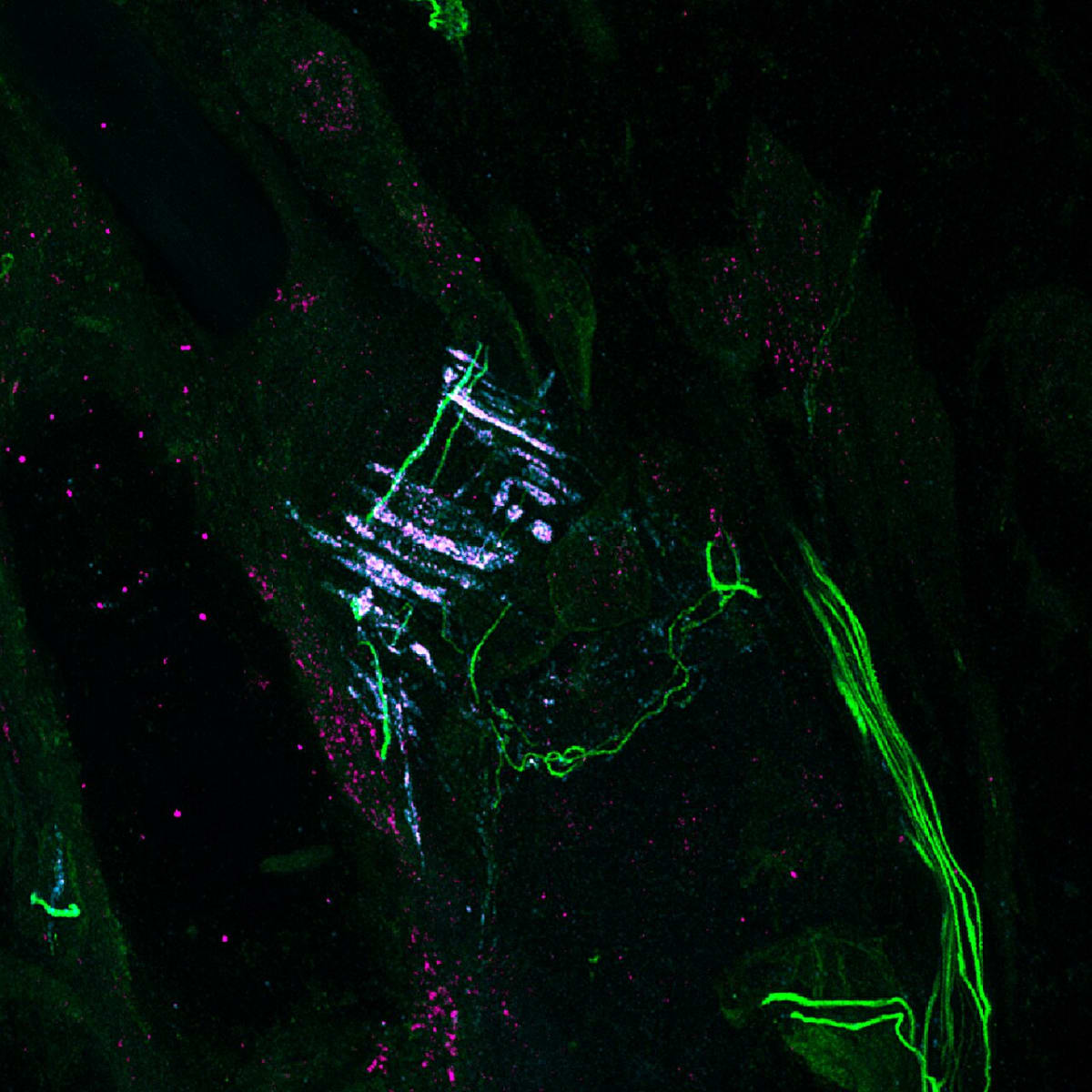
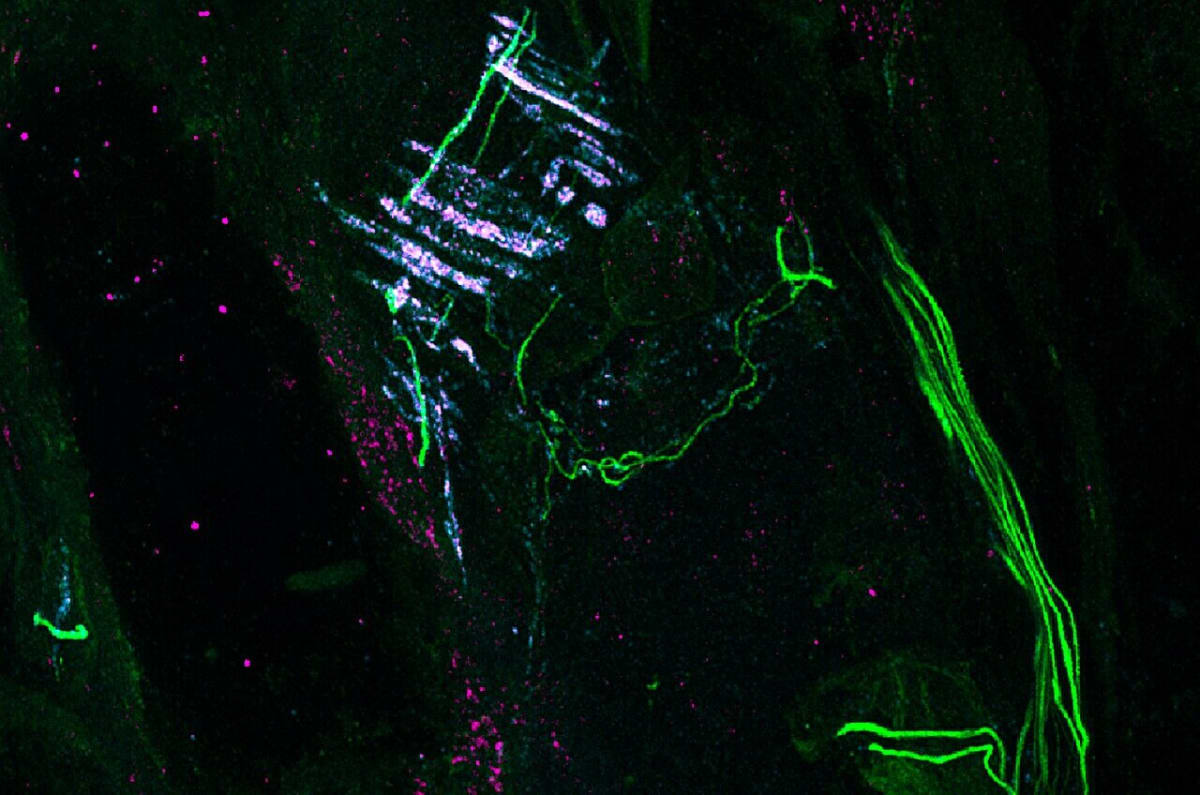
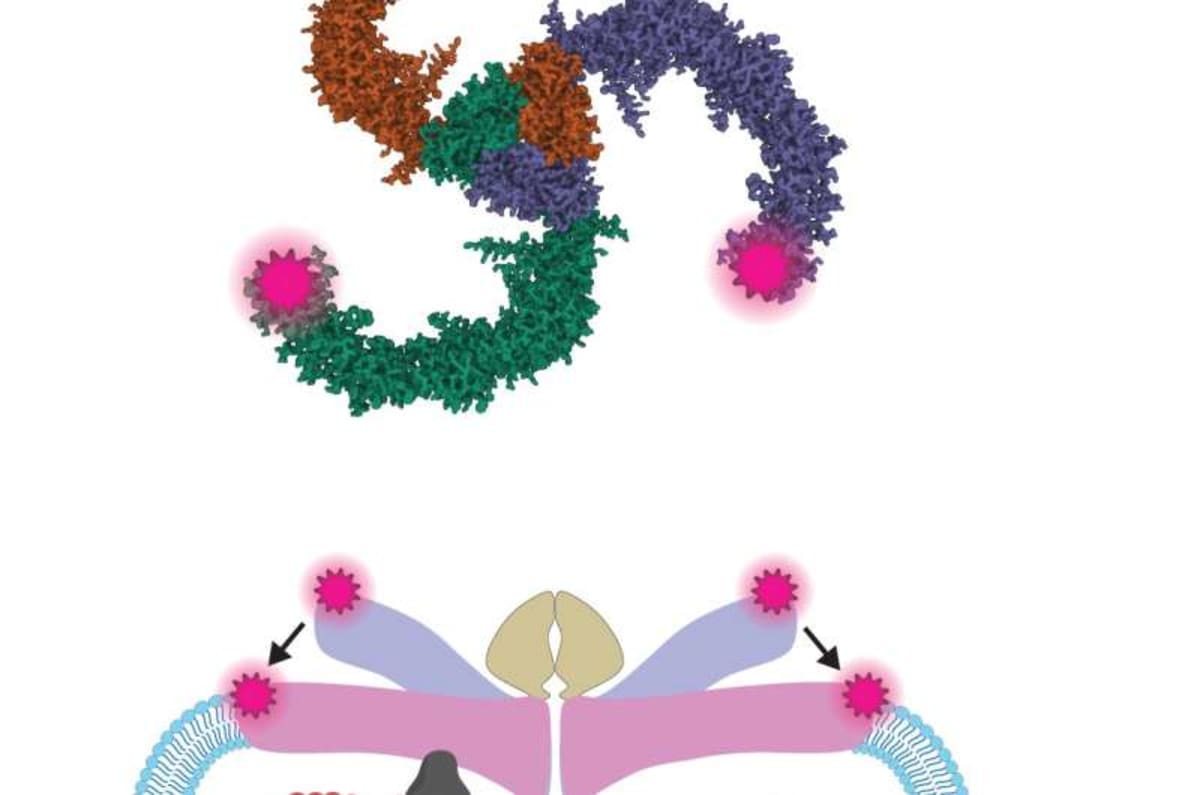
Researchers at Scripps Research figured out why a protein called PIEZO2 responds to gentle taps on the skin while its cousin protein PIEZO1 reacts to broader stretching forces. The answer lies in tiny tethers that connect PIEZO2 to the cell's internal scaffolding.
The team used super-resolution microscopy to watch proteins move inside living cells at a scale 100,000 times smaller than a human hair. What they found changed everything we thought we knew about touch.
PIEZO2 physically connects to the cell's skeleton through a protein called filamin-B. When something pokes the skin, this internal anchor helps transmit that specific force to PIEZO2, making it open like a gate and send electrical signals to the brain. Without this tether, PIEZO2 loses its special talent for detecting gentle touches.
Professor Ardem Patapoutian, who won the Nobel Prize in 2021 for discovering PIEZO proteins, led the study published in Nature. His team included postdoctoral fellow Eric Mulhall and Staff Scientist Oleg Yarishkin, who measured how the proteins opened and closed in response to force.
The research team even tested their findings in mouse sensory neurons. When they removed the tether connecting PIEZO2 to the cell's scaffolding, the protein suddenly started responding to membrane stretching instead of localized touch. It was like flipping a switch that changed the protein's entire purpose.
Why This Inspires
This discovery shows how evolution fine-tuned our sense of touch at the molecular level. Every time you feel a raindrop on your arm or a tap on your shoulder, billions of these tethered proteins are working together to translate physical force into the rich sensory experience we call touch.
The breakthrough matters for real people too. Mutations in PIEZO2 can cause sensory disorders that affect how people experience touch and body position. Understanding exactly how PIEZO2 works gives researchers a roadmap for developing treatments that could restore normal sensation.
The study connected insights from the tiniest molecular movements all the way to how living organisms actually feel their environment. That's rare in science, where most research stays at one scale.
Future treatments for sensory disorders now have a clear target: the connection between PIEZO2 and its cellular anchors.
More Images

Based on reporting by Phys.org
This story was written by BrightWire based on verified news reports.
Spread the positivity!
Share this good news with someone who needs it