Scientists Crack Code on Predicting Wind Power Surges
Researchers just solved one of renewable energy's biggest puzzles: how to predict dangerous power surges from wind farms before they happen. The breakthrough could help the world safely scale up clean energy as wind power prepares to overtake coal by 2026.
Scientists in Japan just made wind power dramatically safer and more reliable for millions of homes worldwide.
Researchers at the Okinawa Institute of Science and Technology created a new way to predict power surges from wind farms before they cause blackouts. Their breakthrough uses simple geographic data to forecast when gusty winds might create dangerous spikes in electricity flowing through the grid.
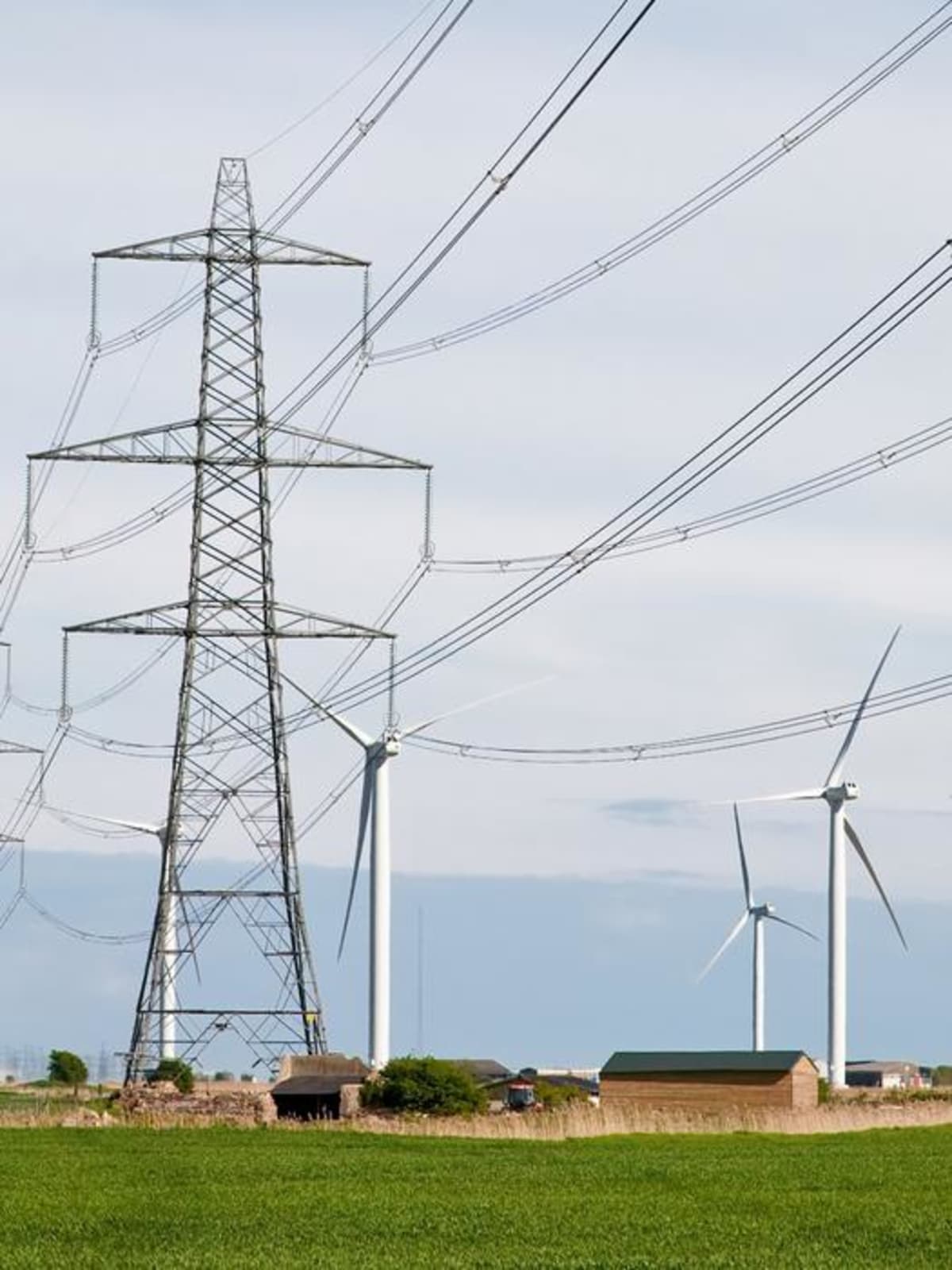
The team spent five years tracking 80 wind turbines across a 20-kilometer stretch in the United States. They discovered something surprising: wind farms don't act like separate turbines standing next to each other. Instead, they behave like one giant, connected system responding to atmospheric turbulence.
"It's a bit like financial forecasting," says Dr. Samy Lakhal, who led the study. Grid operators can now predict fluctuation risks the same way banks assess market volatility.
The timing couldn't be better. Wind power is set to overtake coal globally by the end of 2026. Last year alone, the world installed 165 gigawatts of new wind capacity, a stunning 40 percent jump from the previous year.
But rapid growth brings growing pains. As turbines get bigger and more efficient, unexpected gusts can cause power surges that ripple across entire electrical grids. Without accurate predictions, these surges risk widespread blackouts.
The Bright Side
The new framework gives energy planners a practical roadmap. They can assess risks for existing turbines and design future farms to minimize dangerous fluctuations. The model even scales up to help evaluate what happens when connecting massive new wind installations to existing grids.
The research reveals a simple but powerful strategy: spread turbines out geographically. A sparse distribution naturally buffers against overproduction because different locations experience different wind conditions.
Professor Mahesh Bandi, senior author of the study, emphasizes collaboration matters too. Better coordination between grid operators and farm managers will become essential as more renewable projects come online.
The model also supports mixing energy sources. Combining wind with solar, hydro, and other renewables creates natural stability as different sources peak at different times.
As the world races toward climate-neutral power generation, this breakthrough removes a major roadblock. We can finally scale up wind energy without sacrificing grid stability or risking blackouts that leave communities in the dark.
More Images
Based on reporting by Google News - Wind Energy
This story was written by BrightWire based on verified news reports.
Spread the positivity!
Share this good news with someone who needs it