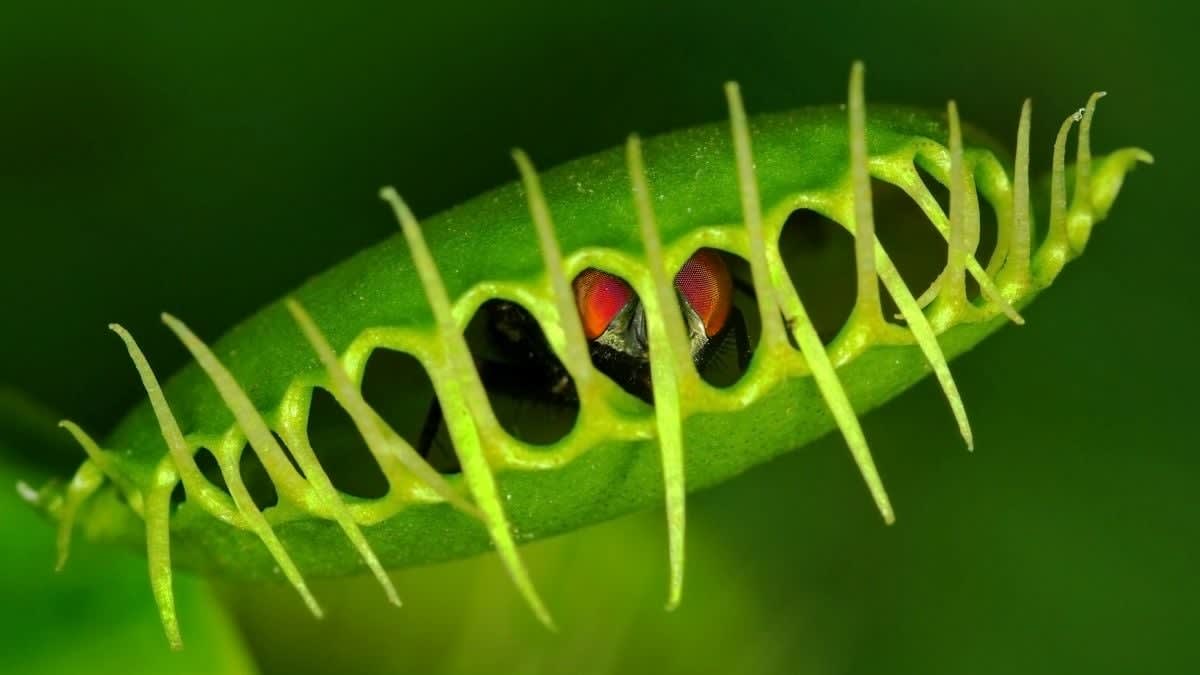
Scientists Crack Mystery of Speedy Venus Flytrap
After decades of wondering how Venus flytraps snap shut fast enough to catch prey, scientists finally have the answer. The plant essentially uses its own growth process as a lightning-fast hunting weapon.
For years, scientists couldn't figure out how a slow-growing plant could move faster than the insects it hunts. Now researchers have cracked the code on one of nature's most impressive tricks.
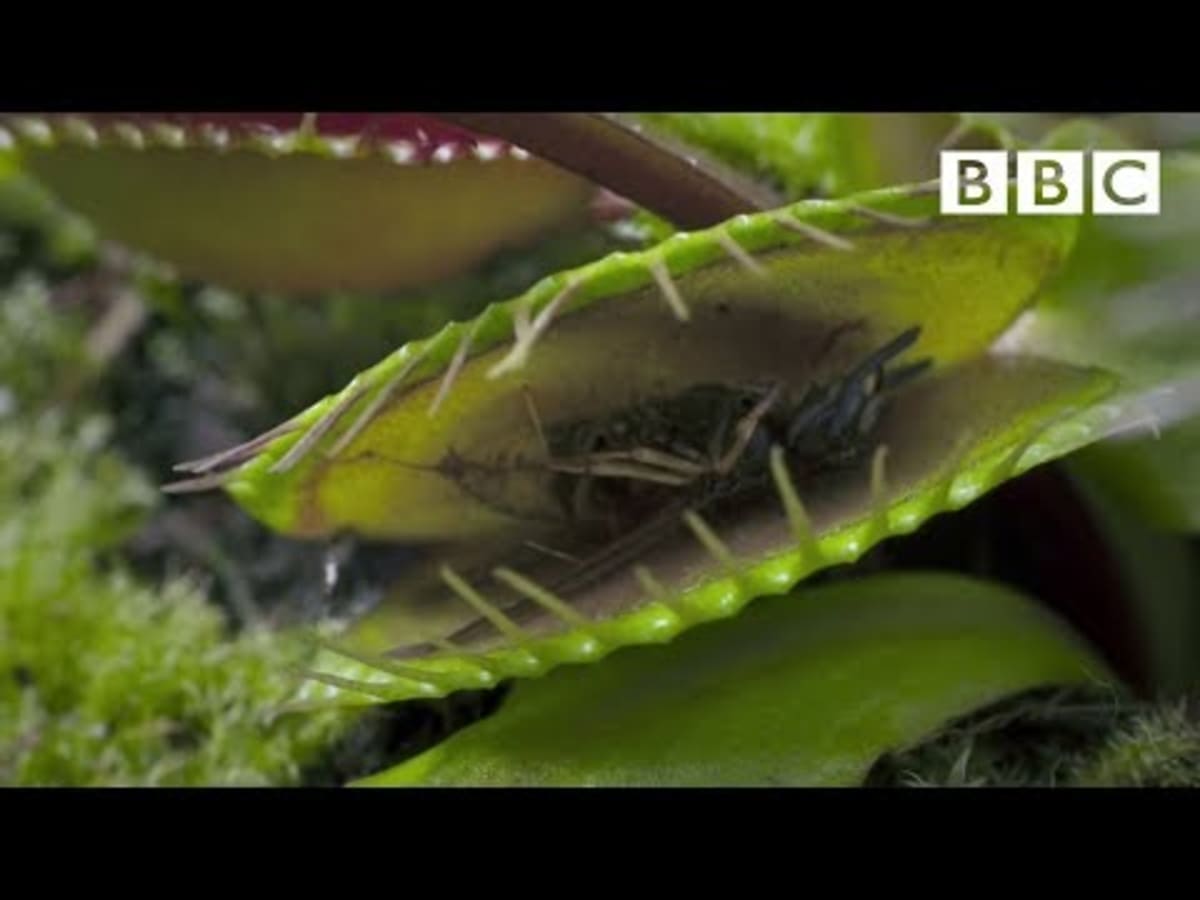
The Venus flytrap can slam its jaws shut in just 0.2 seconds, fast enough to trap flies and spiders that should easily escape. That speed has puzzled biologists for generations because plants typically move at a glacial pace.
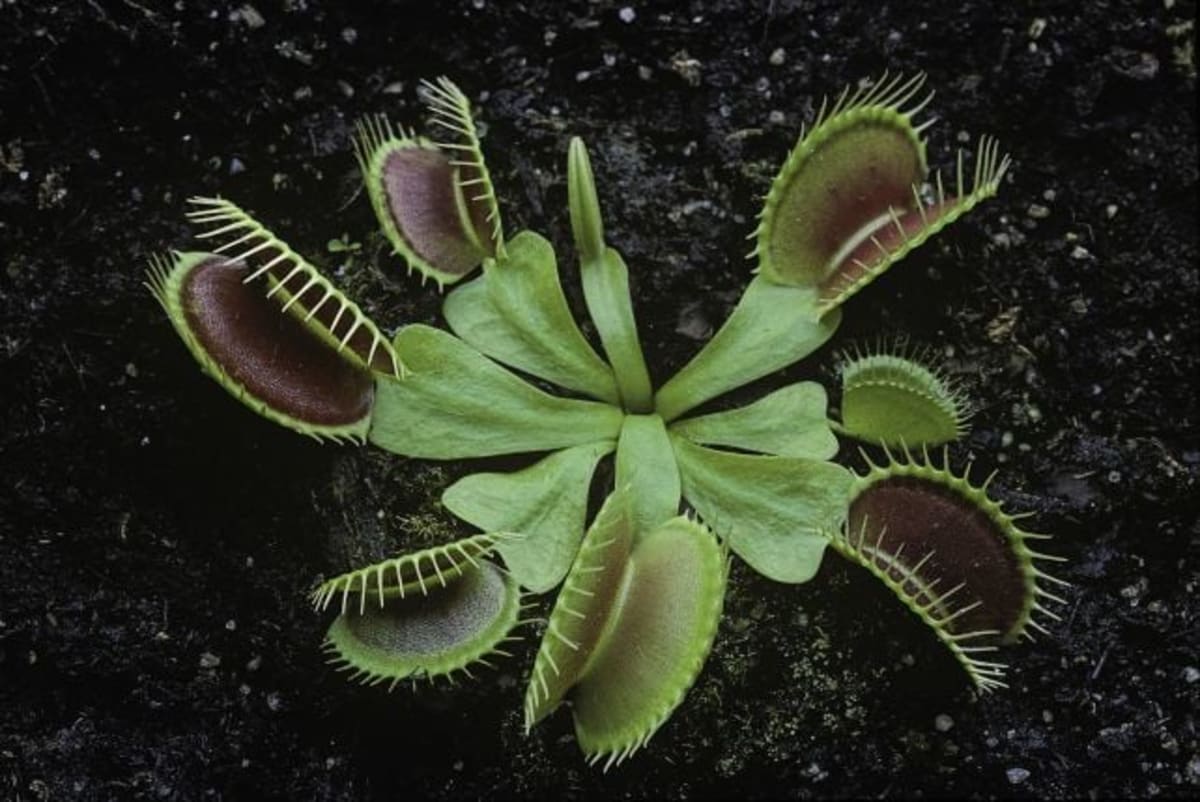
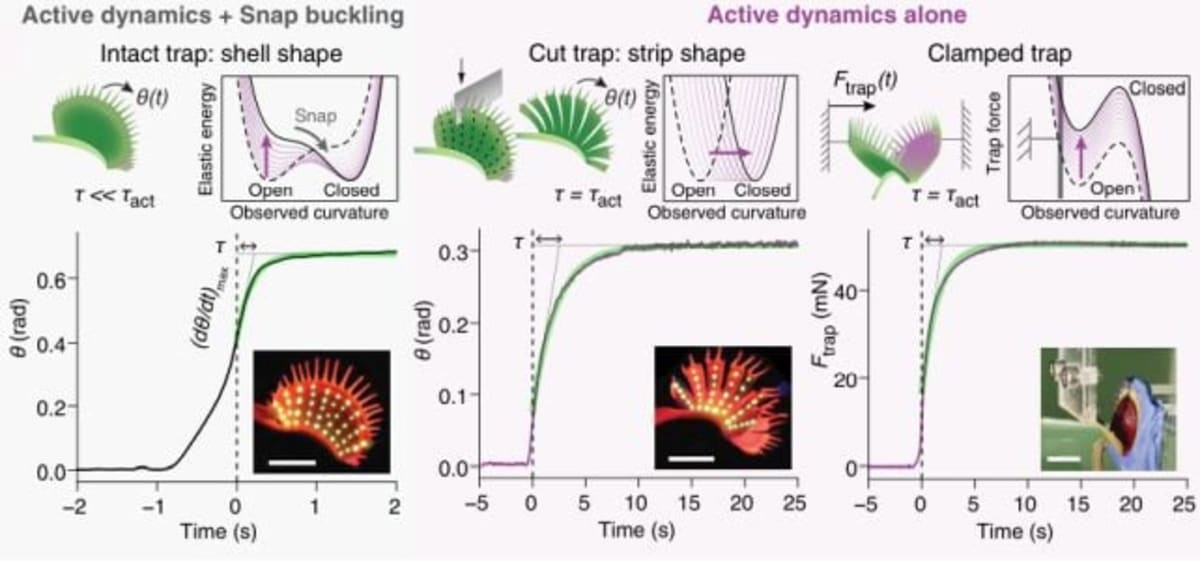
A team led by physicist Jeongeun Ryu at France's National Center of Scientific Research discovered the secret lies in the plant's ability to rapidly soften its cell walls. When an insect touches sensitive hairs inside the trap twice in quick succession, the outer surface of the leaf loses about 40 percent of its stiffness almost instantly.
This softening allows the outer layer to expand much faster than the inner layer. The mismatch creates tension that bends the leaf inward until it hits a critical tipping point and snaps shut like a spring-loaded trap.
Scientists had long assumed water pressure powered the movement, similar to how other plants move their leaves. But the researchers found a major flaw in that theory: water moves far too slowly through plant tissue to explain the flytrap's speed.
Their measurements showed water would take 30 to 150 seconds to flow across the leaf's thickness. The trap's initial closure happens in about one second, proving hydraulics alone couldn't be the answer.
The team used force sensors and microscopic probes to watch what happens inside the plant during a snap. They discovered the inner cell walls barely changed, while outer walls softened dramatically right before closure.
Why This Inspires
The Venus flytrap's secret weapon was hiding in plain sight all along. The plant simply repurposed the same cellular softening process it uses for normal growth and evolution turned it into a hunting superweapon.
This discovery shows how nature finds brilliant solutions by tweaking existing tools rather than building completely new ones. The same genetic toolkit that helps a plant grow slowly can be dialed up to create movements faster than the human eye can easily follow.
Scientists now have fresh insights into how plants can move without muscles, opening doors for bio-inspired engineering. Imagine soft robots or medical devices that change shape by adjusting material stiffness rather than using motors or pumps.
The finding reminds us that even the most familiar natural wonders still hold surprises waiting to be discovered.
More Images
Based on reporting by Google News - Science
This story was written by BrightWire based on verified news reports.
Spread the positivity!
Share this good news with someone who needs it