Scientists Create Blueprint to Speed Wave Energy Development
Researchers designed the first standardized method for building wave energy converters, tech that could meet a third of U.S. electricity needs. The breakthrough could finally move ocean power from labs to real-world use.
Scientists just cracked a major barrier holding back one of the most promising renewable energy sources on the planet: ocean waves.
A University of Michigan-led research team created the first standardized design methodology for wave energy converters, devices that turn ocean motion into electricity. Until now, every research team was reinventing the wheel, wasting time and money on repeated mistakes.
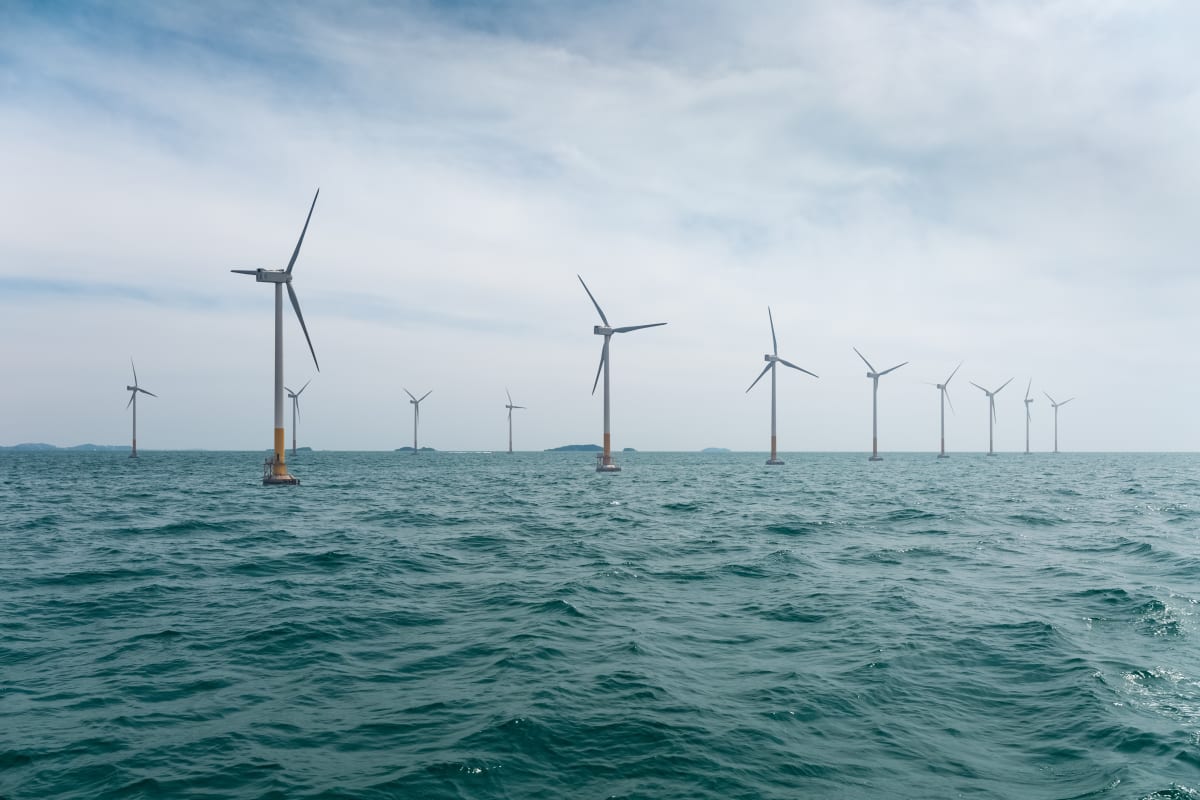
Ocean waves pack serious potential. U.S. coastal waters alone could supply 34% of the country's electricity if we can harness them. Unlike solar panels that need sunshine or wind turbines that need breezy days, waves are predictable and constant.
"Wave energy has been long overlooked. It is predictable, constant and 100 times more power dense than wind," said Olivia Vitale, a Cornell doctoral candidate who led the study. "It is time we advance this technology past benchtop testing."
The problem? Wave energy converters come in wildly different shapes and sizes. Wind turbines all look similar because engineers found an optimal design decades ago. Wave energy never reached that point because design knowledge stayed scattered across different institutions.
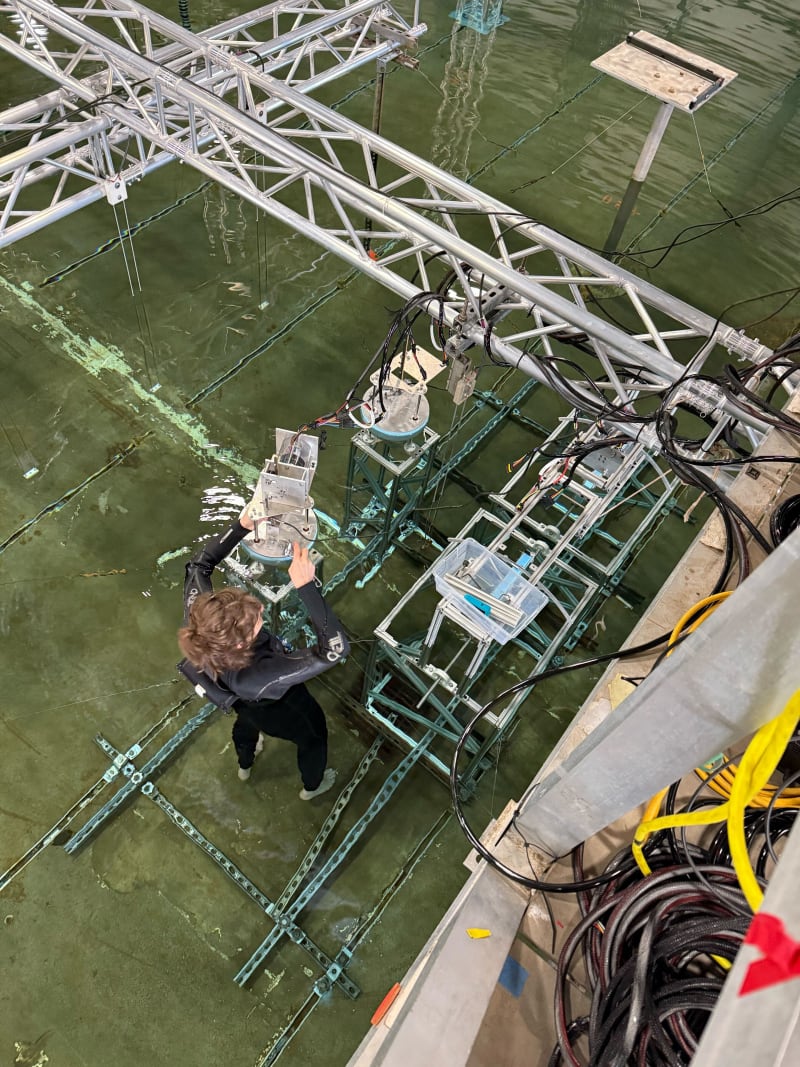
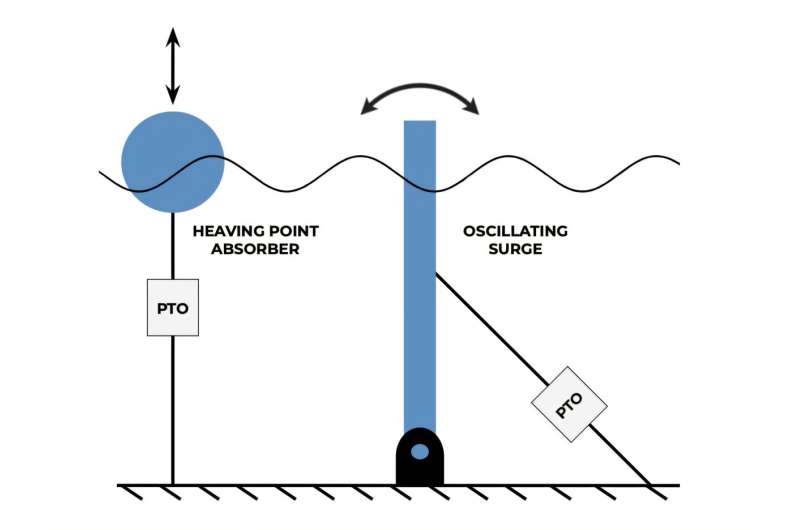
The research team, which included scientists from Cornell, Georgia Tech, and Princeton, changed that by documenting every critical step for building small-scale prototypes. They tested two designs: one that bobs up and down with waves, and another that rotates laterally.
The Ripple Effect
This standardized approach means researchers worldwide can now build on each other's work instead of starting from scratch. The methodology covers everything from choosing the right scale to minimizing friction in the mechanisms that convert wave motion to electricity.
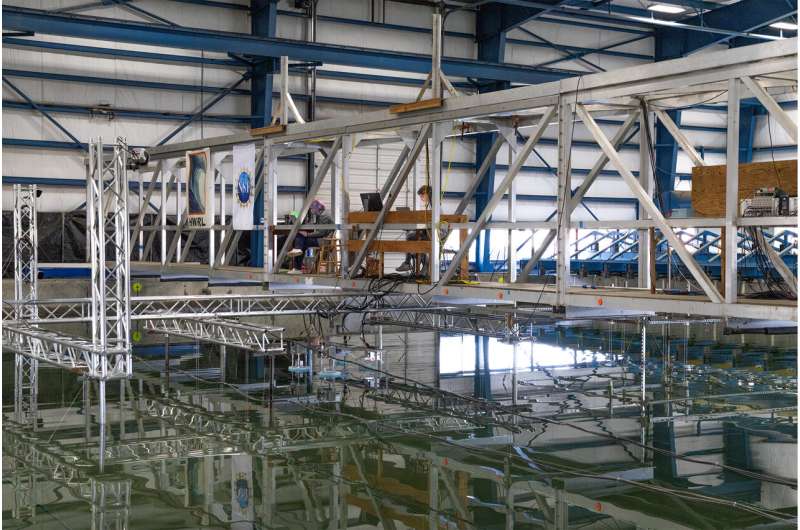
The team tested their prototypes at Oregon State University's wave research lab, working at a 1:50 scale where a 1-meter prototype represents a 50-meter real-world device. They solved tricky problems like measuring tiny amounts of power and reducing friction that throws off small-scale tests.
"Having this standardized methodology will reduce repeated mistakes in early development, launching the technology further towards commercialization," said Maha Haji, the study's senior author and a mechanical engineering professor at Michigan.
The research appears in the Journal of Mechanical Design, giving the global scientific community a clear playbook for advancing wave energy technology. What took decades for wind power might happen much faster for ocean energy now that researchers have a shared foundation to build on.
More Images
Based on reporting by Phys.org - Technology
This story was written by BrightWire based on verified news reports.
Spread the positivity!
Share this good news with someone who needs it