Scientists Create Greener Way to Make Life-Saving Drugs
Researchers have engineered enzymes that make crucial cancer and blood disorder medications with far less waste and no toxic chemicals. The breakthrough could transform how 117 of the top 200 prescription drugs are manufactured.
A chemistry breakthrough just made producing life-saving medications cleaner, cheaper, and better for the planet.
Scientists have successfully redesigned natural enzymes to create amide bonds, the chemical backbone found in 117 of the top 200 prescription drugs sold worldwide. These bonds are essential building blocks in medications treating cancer, heart disease, and blood disorders, but making them has always been wasteful and environmentally harmful.
Traditional drug manufacturing relies on harsh chemicals, extreme temperatures, and toxic metals that generate mountains of waste. Previous attempts to use enzymes faced their own problems: they only worked with limited ingredients or required enormous amounts of energy to function.
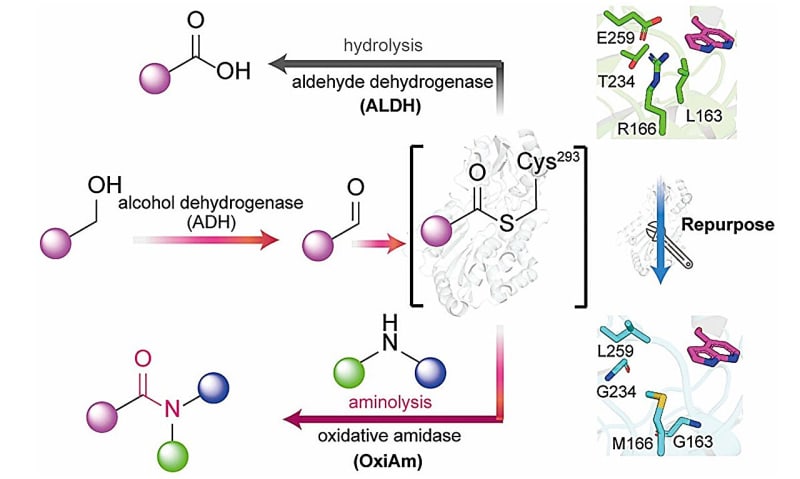
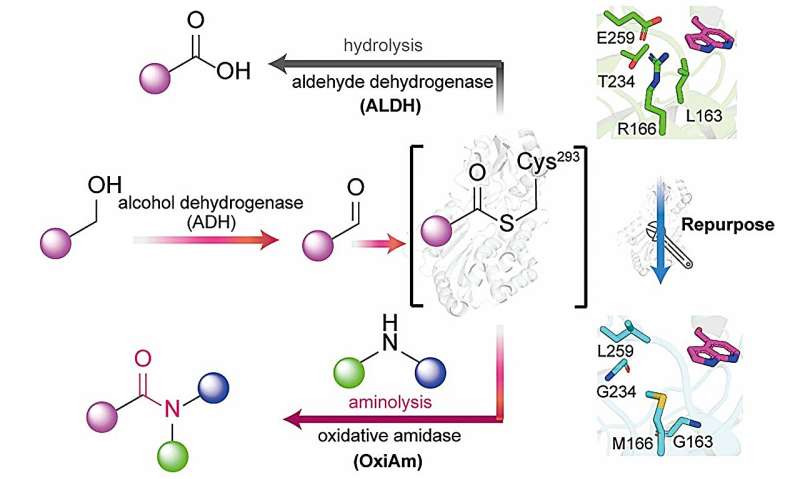
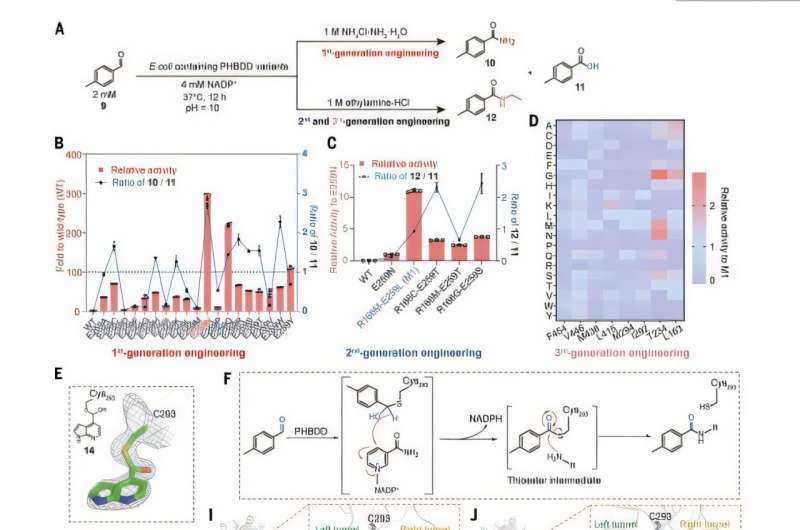
The research team, publishing their findings in Science, found an elegant solution by engineering a common enzyme called aldehyde dehydrogenase. They modified its internal structure in two key ways: making it water-repelling to prevent unwanted chemical reactions, and expanding its size to accommodate larger drug components.
The result is a new catalyst called an oxidative amidase that works like a precision tool. When paired with another enzyme, it creates a simple one-pot process that turns common alcohols directly into complex drug molecules using only oxygen from the air.
The team successfully tested their method on five important medications. These include imatinib, which treats chronic myeloid leukemia and gastrointestinal tumors, and vadadustat, an anemia drug. All were produced efficiently without the environmental damage of traditional methods.
The Ripple Effect
This breakthrough extends far beyond the laboratory. Cleaner drug manufacturing means less toxic waste entering our water and air, lower production costs that could reduce medication prices, and more sustainable healthcare for everyone.
The pharmaceutical industry has long struggled to balance effectiveness with environmental responsibility. This enzyme engineering approach offers a path forward that doesn't compromise either goal. By working with nature's own tools rather than harsh synthetic chemicals, researchers are proving that green chemistry can match or exceed traditional methods.
The applications reach beyond medicine too. The same technique could revolutionize manufacturing in agriculture, materials science, and other industries where amide bonds play crucial roles.
Scientists believe this represents just the beginning of what's possible when we combine biological systems with modern engineering. Each protein tweak opens new possibilities for sustainable manufacturing across multiple industries.
The future of medicine just got a little greener, and patients everywhere stand to benefit.
More Images
Based on reporting by Phys.org
This story was written by BrightWire based on verified news reports.
Spread the positivity!
Share this good news with someone who needs it