Scientists Create Unsinkable Metal Using Spider Trick
Inspired by diving bell spiders, researchers built aluminum tubes that float even when full of holes. The breakthrough could revolutionize ship safety and ocean energy harvesting.
What if ships could stay afloat even with gaping holes in their hulls? Scientists at the University of Rochester just made that dream possible by studying how spiders breathe underwater.
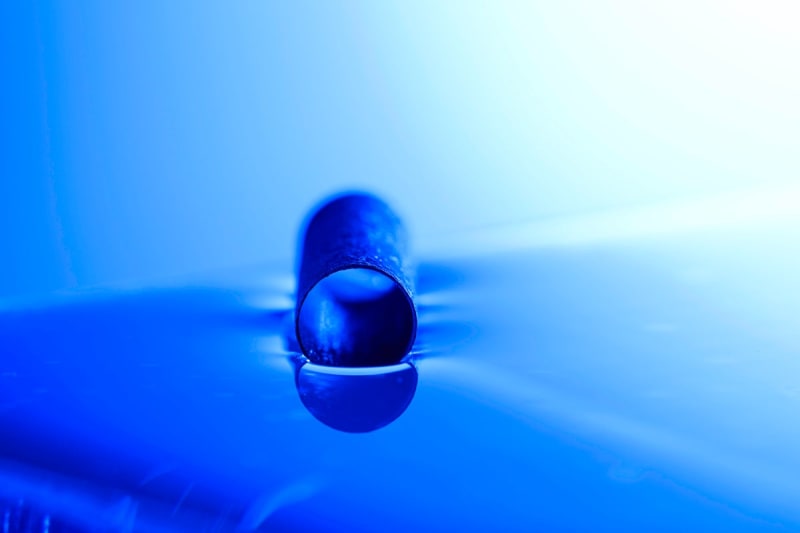
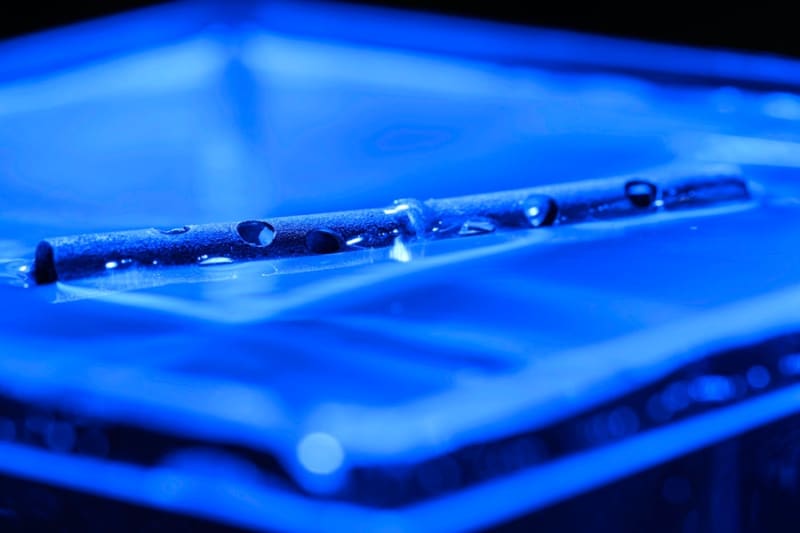
The team created aluminum tubes that refuse to sink, even when severely damaged. They borrowed their secret from diving bell spiders, which trap air bubbles against their bodies using fine hairs to survive underwater.
Using powerful lasers, the researchers carved microscopic valleys into the aluminum surface. These tiny grooves trap air bubbles the same way spider hairs do, creating what scientists call "superhydrophobicity."
When water hits these textured surfaces, it bounces away instead of spreading inside the tubes. Surface tension keeps the water out and the air trapped inside, making the metal float no matter what happens to it.
Professor Chunlei Guo and his team demonstrated this by punching multiple holes through the tubes. They still floated. The researchers tested them in rough water for weeks without any loss of buoyancy.
The breakthrough improves on Guo's 2019 work with laser-etched metal disks. Those tipped over in turbulent water and lost their trapped air. The new tubes solve this problem with an internal divider that keeps air locked in chambers, maintaining buoyancy even when pushed vertically underwater.
The team published their findings in Advanced Functional Materials in January 2026. The tubes tested were nearly half a meter long, but Guo says the technology can easily scale larger. The lasers used today are seven times more powerful than those from 2019, making large-scale production increasingly feasible.
The Ripple Effect
The applications extend far beyond laboratory curiosity. Connected tubes could form weight-bearing rafts or build ships designed to survive catastrophic hull breaches. Imagine cruise ships or cargo vessels that stay afloat even as water floods their compartments.
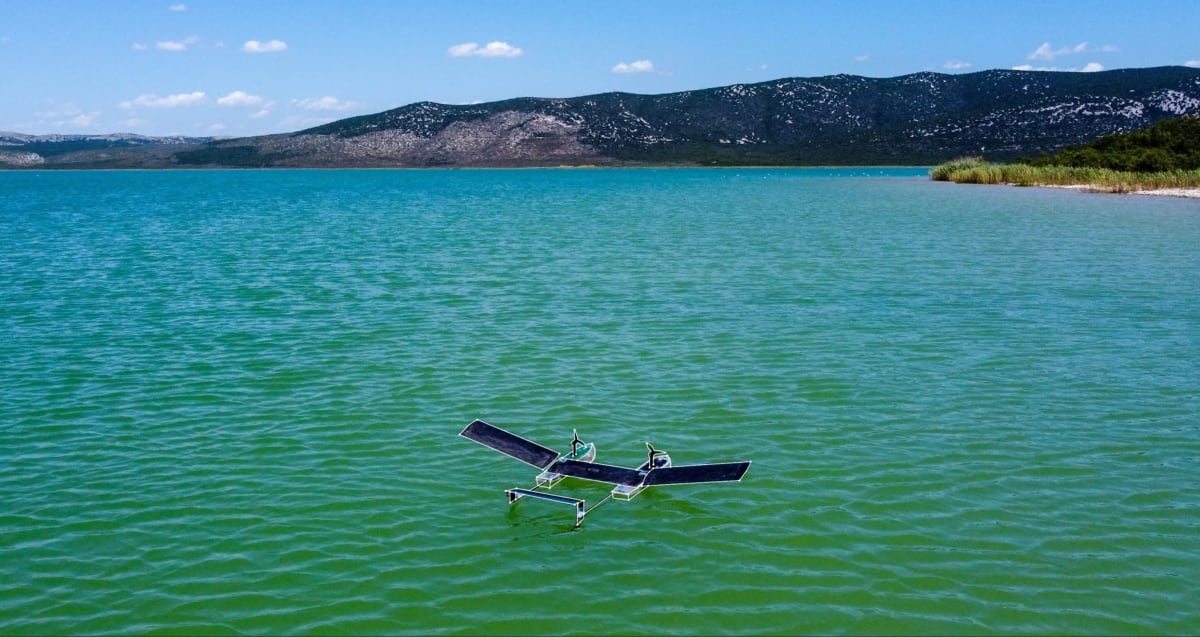
The team also demonstrated an unexpected benefit: rafts made from these tubes can harvest wave energy to generate electricity. As ocean renewable energy gains momentum, this dual-purpose material could help power coastal communities while providing ultra-safe marine platforms.
Nature has used superhydrophobicity for millions of years. Fire ants create living rafts during floods by trapping air in their waxy, textured exoskeletons. Mosquito eyes stay clear using water-repellent nanostructures. Scientists are finally catching up to these elegant solutions.
The future of maritime safety might float on innovations learned from tiny spiders carrying their own air supply through murky water.
More Images

Based on reporting by Scientific American
This story was written by BrightWire based on verified news reports.
Spread the positivity!
Share this good news with someone who needs it