Scientists Design Space Shield to Soften Solar Storms by 50%
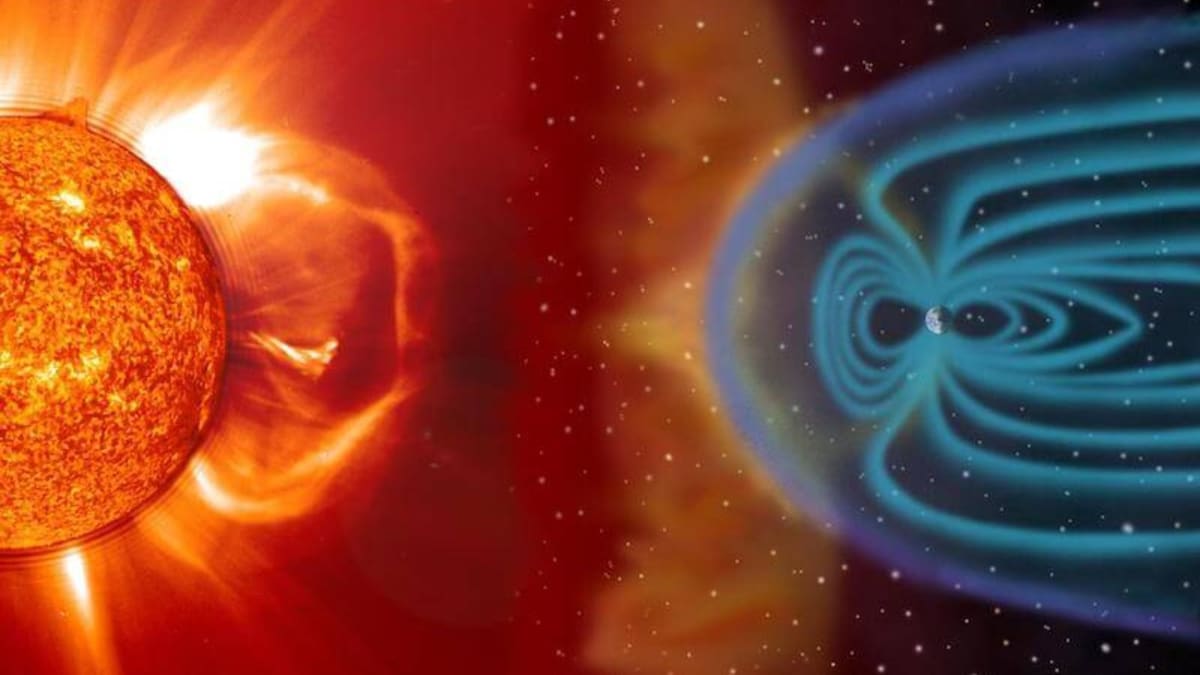
Researchers at Boston University have designed a fleet of spacecraft that could actively protect Earth from dangerous solar storms by strengthening our planet's natural magnetic shield. The system could cut storm intensity by more than half, safeguarding satellites, power grids, and communication networks.
For the first time in history, scientists have found a way to fight back against the sun's most powerful attacks on Earth.
A team led by Brian Walsh at Boston University has designed StormWall, a system of six spacecraft that could reduce the intensity of major solar storms by over 50%. Instead of just predicting space weather and bracing for impact, humanity could now actively strengthen Earth's natural magnetic shield before disaster strikes.
"People have always thought, 'space is huge, the sun is massive, we just have to sit here and take whatever it gives us,'" Walsh explained. "But what we found is that we can impact it."
The system works by releasing special materials like barium or lithium into space when dangerous solar storms approach Earth. Sunlight transforms these substances into electrically charged plasma that thickens the boundary between our planet and incoming solar wind. This artificial shield disrupts the process that normally allows solar energy to breach Earth's defenses.
Walsh compared it to villagers building a storm wall instead of just watching the river flood. The concept represents a fundamental shift from passive observation to active protection of our technological civilization.
The team tested their idea by simulating the historic Mother's Day storm from May 2024, one of the most powerful geomagnetic events in recent history. With StormWall active in the simulation, the storm's intensity dropped by more than half.
The technology exists today to make this happen. The entire fleet would need to carry about twelve oil trucks' worth of material, and current launch capabilities could handle the payload. Private companies already pouring billions into space infrastructure make the financial case stronger every year.
The Ripple Effect
StormWall would protect everyone equally, serving as a planetary defense system that benefits all nations simultaneously. "You couldn't make it in a way that helped only one country, one group of satellites," Walsh noted. The artificial plasma shield would naturally disperse within six hours, swept away by solar wind without contaminating Earth's atmosphere.
As our world grows more dependent on satellites for communication, navigation, and data storage, the need for active protection becomes more urgent. A severe geomagnetic storm could cripple power grids, knock out GPS systems, and disrupt global communications for months.
The concept does have limitations. Once deployed, the system would be a one-time-use solution requiring replacement. Scientists also acknowledge the need to carefully study any unintended consequences of modifying Earth's magnetosphere, though early analysis suggests minimal long-term risks.
The research, published in the journal Space Weather on June 2, marks a turning point in how humanity thinks about space weather. We're no longer just vulnerable observers waiting for the next solar storm.
More Images

Based on reporting by Space.com
This story was written by BrightWire based on verified news reports.
Spread the positivity!
Share this good news with someone who needs it