Scientists Detect First Signal From Black Hole's Edge
For the first time ever, scientists have captured a gravitational wave carrying information directly from a black hole's event horizon. This breakthrough opens an entirely new window into one of the universe's most mysterious frontiers.
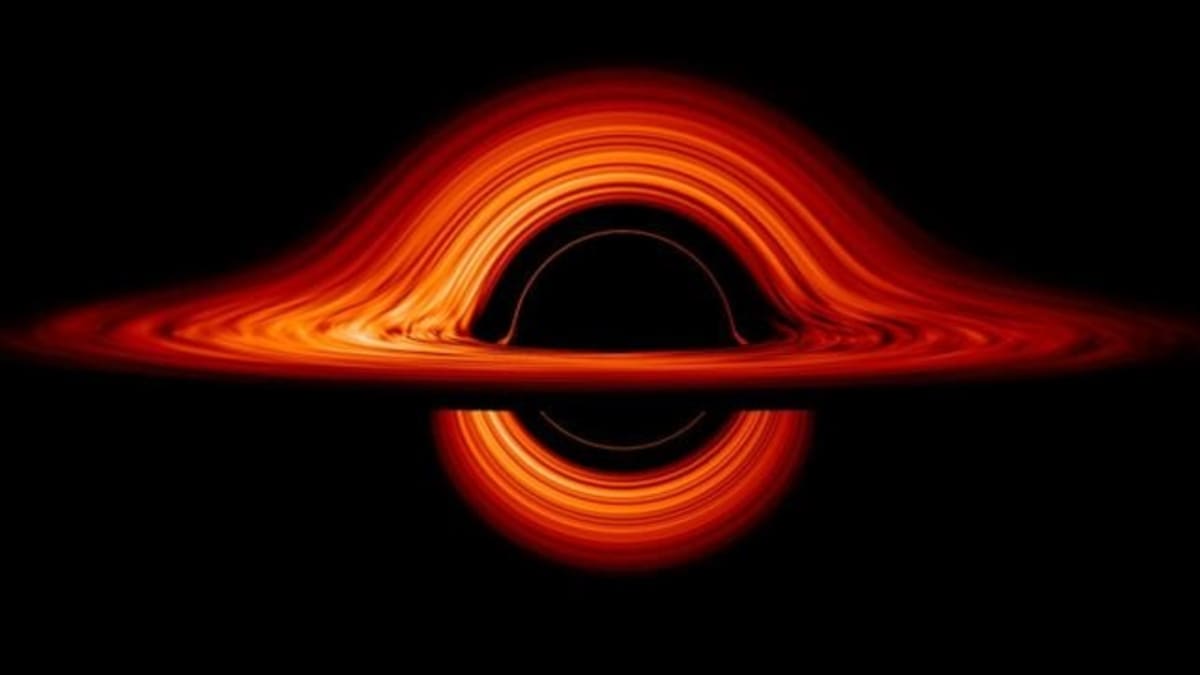
Scientists just achieved something that seemed impossible: detecting a signal from the edge of a black hole.
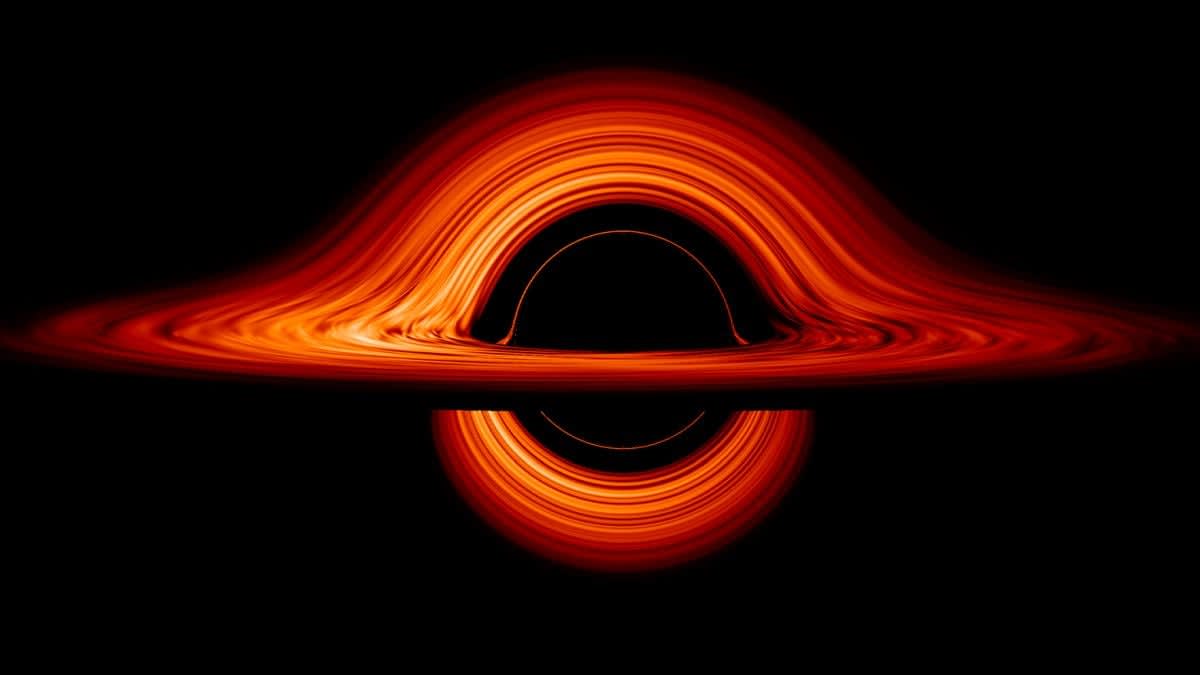
For decades, researchers could only study black holes indirectly because nothing, not even light, escapes their event horizons. But a team led by physicist Sizheng Ma at Canada's Perimeter Institute found something different hiding in gravitational waves.
When two black holes collide and merge, they create ripples in spacetime itself. These gravitational waves travel across the universe and can be detected here on Earth. Scientists have been studying these signals for years, but this discovery is different.
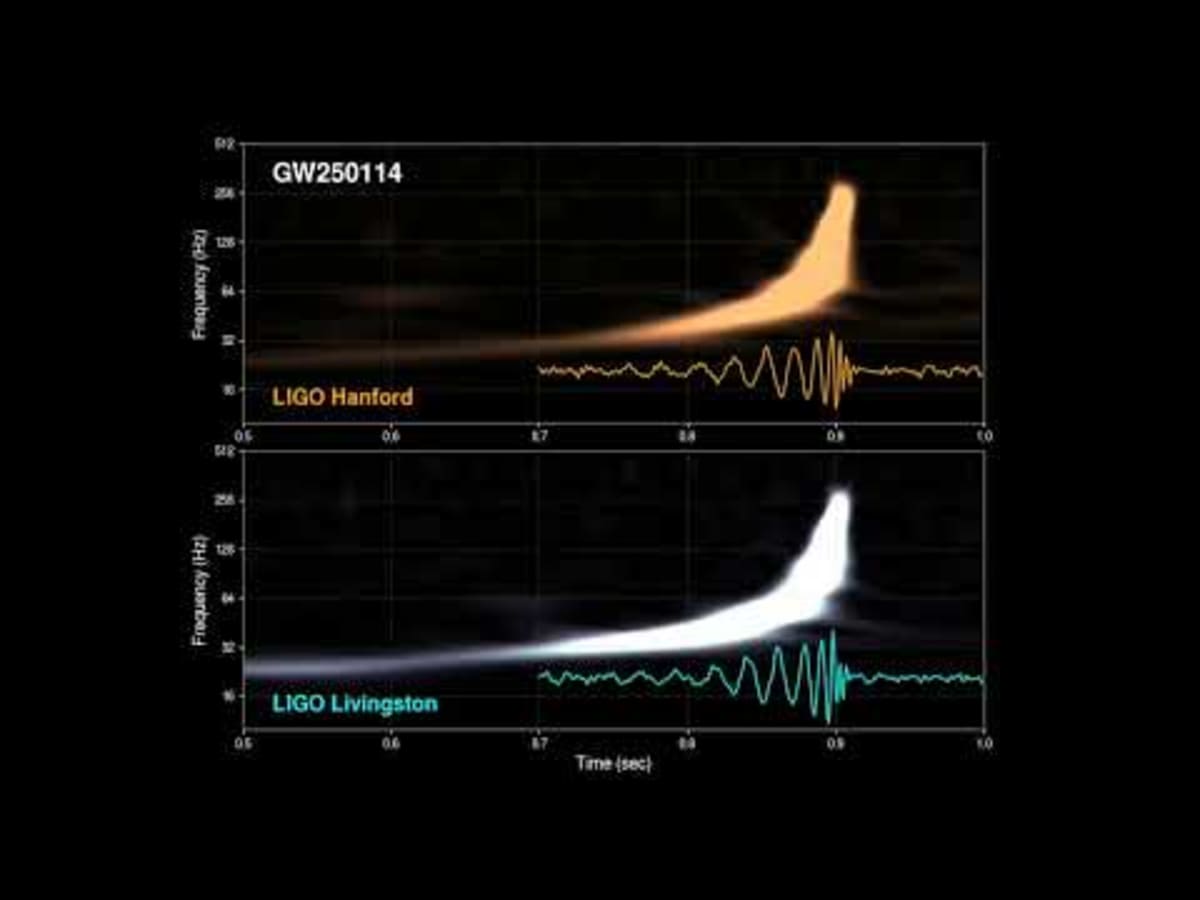
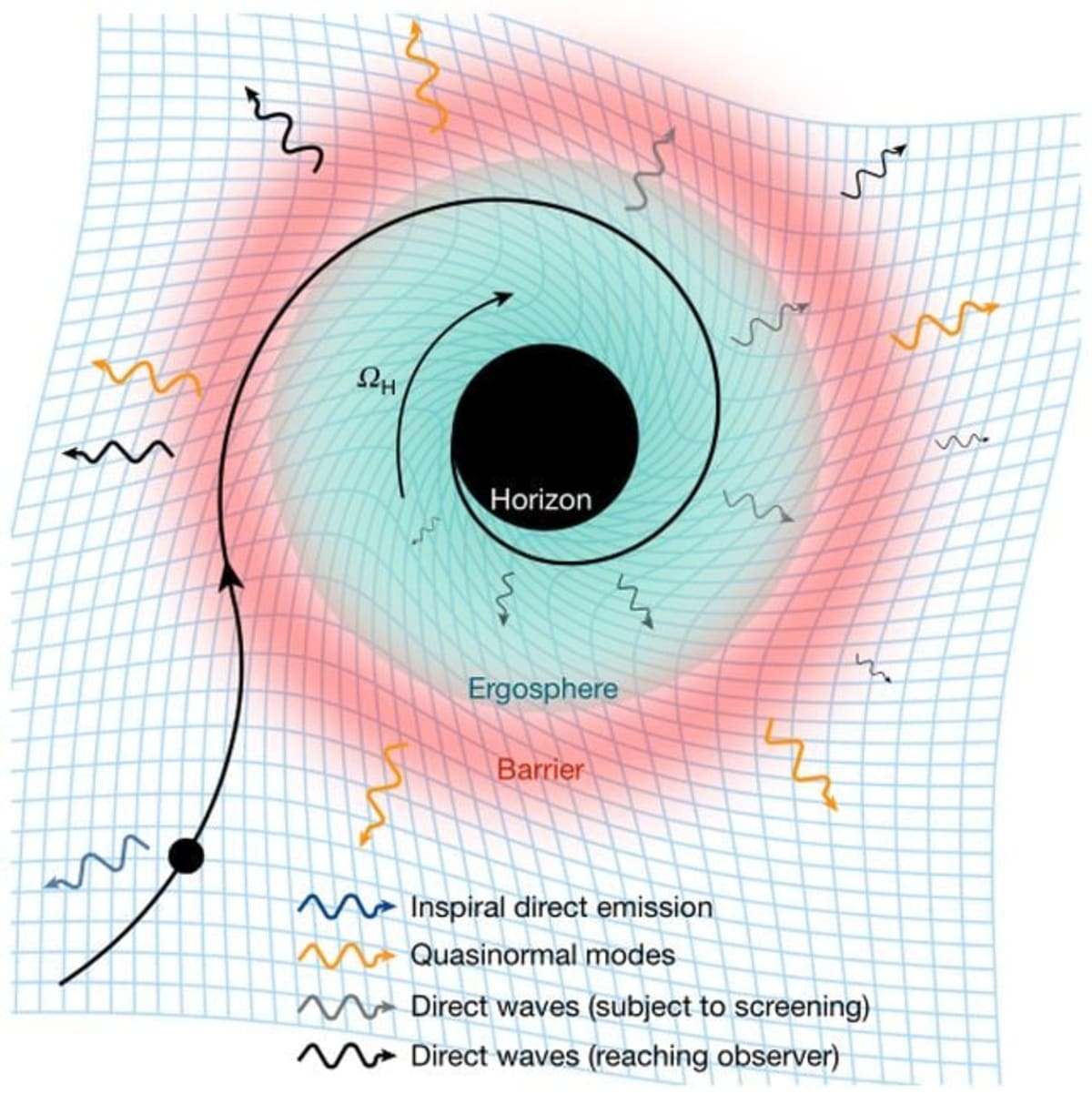
The researchers identified what's called a "direct wave" in the aftermath of an unusually powerful collision called GW250114. This wave carries information from the very edge of the newly formed black hole's event horizon, something theorists predicted but had never actually observed.
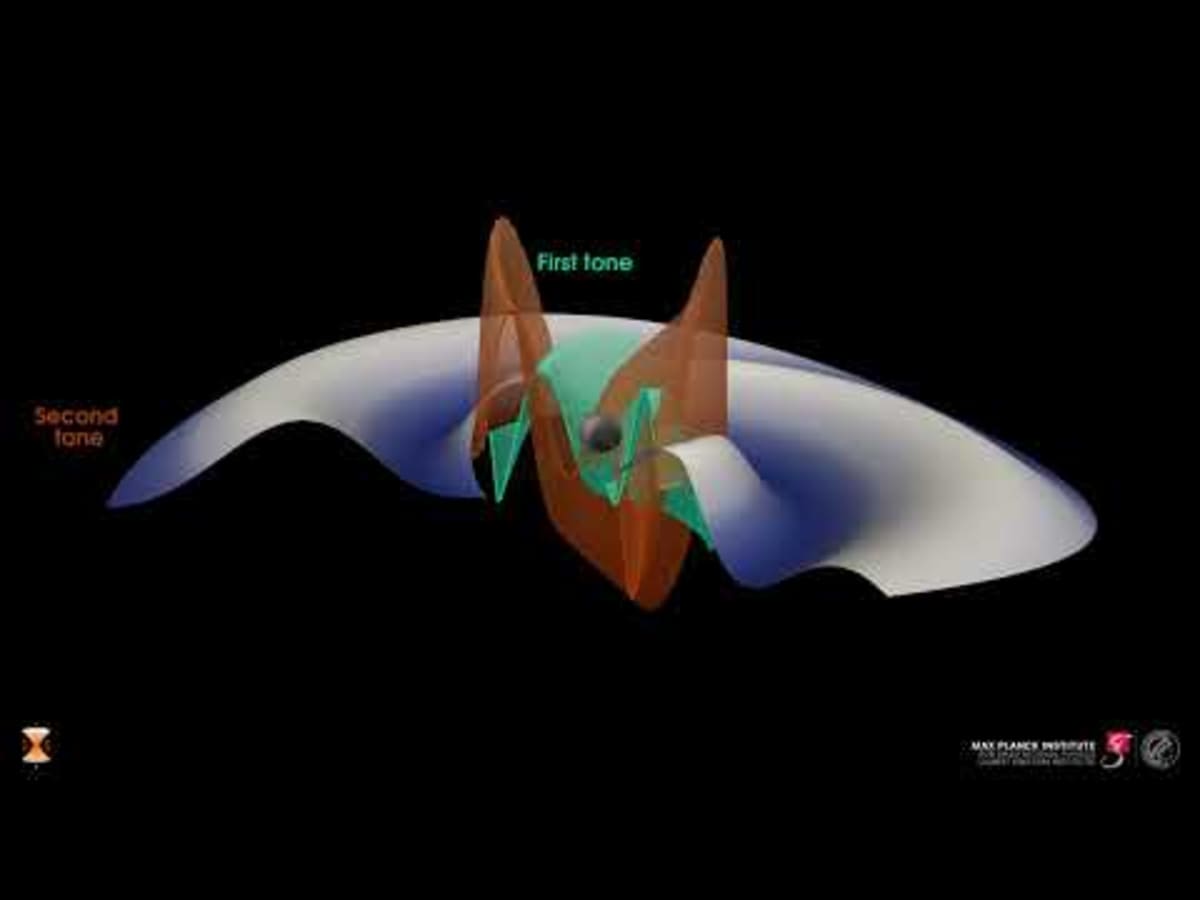
Think of it like hearing the final note of a song as two cosmic giants become one. As the black holes finish merging, their extreme gravity drags spacetime around in a rapidly fading swirl. That motion creates a single wave oscillating at nearly twice the horizon's rotation speed.
"The event horizon is not something we can see directly with light, because by definition nothing escapes from inside it," Ma told reporters. "But gravitational waves give us a different pathway."
Why This Inspires
This discovery transforms something that felt like pure science fiction into measurable reality. For the first time, scientists can directly probe the properties of an event horizon itself, measuring how fast it rotates and how quickly gravity causes information to fade away.
The breakthrough was only possible because GW250114 is the clearest gravitational wave signal ever detected. Even so, these ripples in spacetime are incredibly subtle, stretching and squeezing space by less than the width of an atomic nucleus by the time they reach Earth.
Ma and his team were initially cautious about their findings. But the data behaved exactly as theory predicted. "That was the moment when the mood shifted from 'This might be interesting' to 'Oh wow, this might actually be real,'" Ma said.
The technique still needs testing against other gravitational wave signals, and theoretical models will undergo refinement. But if validated, scientists now have an entirely new tool for exploring the universe's most extreme environments.
The discovery proves that even the boundaries we thought were forever hidden from view can reveal their secrets through patience, brilliant theory, and the right instruments listening at just the right moment.
More Images
Based on reporting by Google News - Science
This story was written by BrightWire based on verified news reports.
Spread the positivity!
Share this good news with someone who needs it