Galaxy's Most Common Planet Type Missing From Our Solar System
In just 30 years, we've discovered over 6,000 planets orbiting distant stars. The biggest surprise? The most common type in our galaxy doesn't exist in our own cosmic neighborhood.
Three decades ago, humanity knew of exactly zero planets beyond our solar system, not a single confirmed world circling another star. Today, astronomers have confirmed more than 6,000 exoplanets, and the count climbs every week.
The modern planet-hunting era launched in 1995 when scientists Michel Mayor and Didier Queloz spotted a planet around the star 51 Pegasi, a discovery that earned them a Nobel Prize. That first find shocked the scientific world: a massive gas giant whipping around its star every four days, nothing like the orderly planets in our own system.
Then NASA's Kepler space telescope stared at a single patch of sky and found thousands more. These worlds revealed themselves through tiny dips in starlight as they passed in front of their stars, like celestial shadows crossing distant suns.
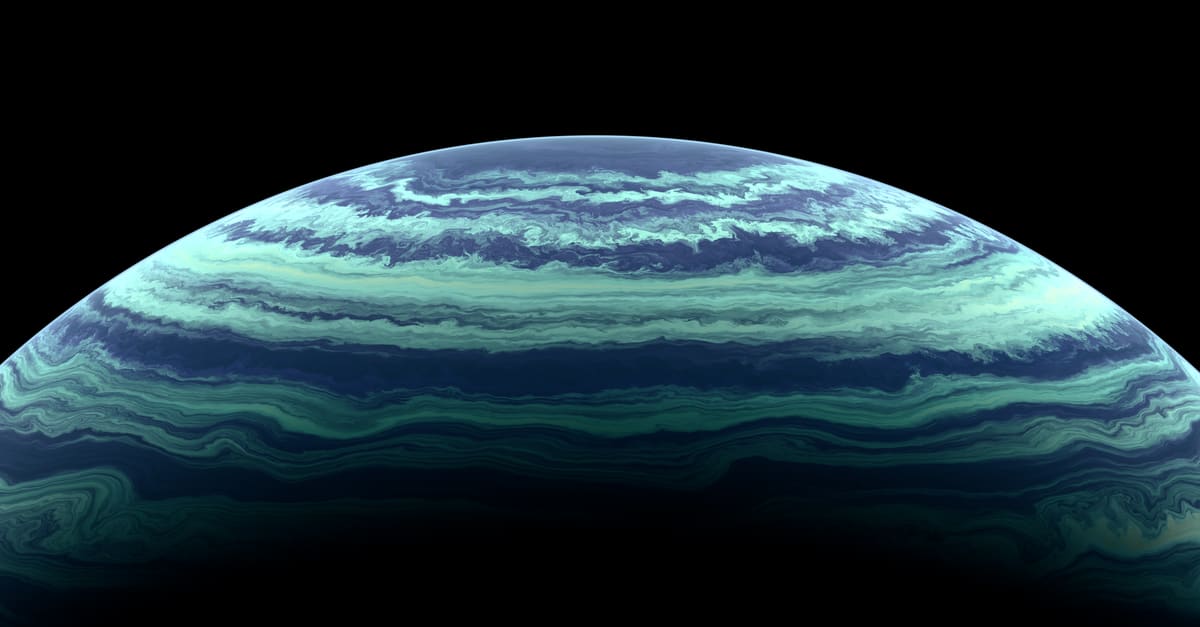
But here's where the story gets truly fascinating. The most abundant planets out there are super-Earths and sub-Neptunes, worlds bigger than Earth but smaller than Neptune. They appear around star after star across the galaxy.
Our solar system has nothing like them. Between Earth and Neptune sits a huge gap, and we have zero planets filling it. The universe's most common planetary citizens are completely absent from our cosmic backyard.
Scientists even found a curious pattern called the radius valley, a size range where fewer planets exist, likely separating rocky super-Earths from gas-wrapped sub-Neptunes. We never predicted this. The data forced us to completely rethink what "normal" planetary systems look like.
Finding true Earth twins remains incredibly difficult. The detection methods favor big planets close to their stars because they create stronger signals. Small, rocky, temperate worlds like Earth whisper so quietly we can barely hear them.
Why This Inspires
The real breakthrough isn't about any single world. Before 1995, humanity had exactly one planetary system to study: ours. We had no idea if our arrangement was typical or bizarre.
Now we know planets are everywhere. Analysis suggests most stars host planets, meaning our Milky Way contains hundreds of billions of worlds. The universe suddenly looks far more crowded, far more interesting, and far fuller of possibilities than we ever imagined.
Our solar system, once our only reference point, now appears as just one arrangement among countless variations. We're no longer looking at the universe through a single example. We're seeing the full spectacular diversity of how planets form and exist.
The frontier has shifted from simply counting planets to understanding them, reading their atmospheres, and searching for signs of life. After millennia of wondering if other worlds existed, we now face an entirely new question: which of these thousands of confirmed planets might host life of their own?
More Images



Based on reporting by Google News - Science
This story was written by BrightWire based on verified news reports.
Spread the positivity!
Share this good news with someone who needs it