Scientists Discover 31 New Species in Deep Atlantic Ocean
A deep-sea expedition off Brazil's coast has revealed 31 previously unknown species, including glowing siphonophores and gossamer worms captured in stunning 3D detail. The discoveries offer a rare glimpse into Earth's largest ecosystem, the ocean's mysterious midwater zone.
Scientists exploring the deep waters off Brazil's coast have discovered 31 new species living in one of Earth's most mysterious environments.
The team ventured into the ocean's midwater, the vast zone stretching from just below the sunlit surface down to the sea floor. This region forms the largest habitable ecosystem on our planet, yet remains largely unexplored.
Using cutting-edge laser technology called Deep Particle Image Velocimetry, researchers captured 3D footage of delicate creatures in their natural habitat at depths reaching 930 meters. The lasers illuminate thin visual slices through transparent animals' bodies, creating detailed models without harming these fragile beings.
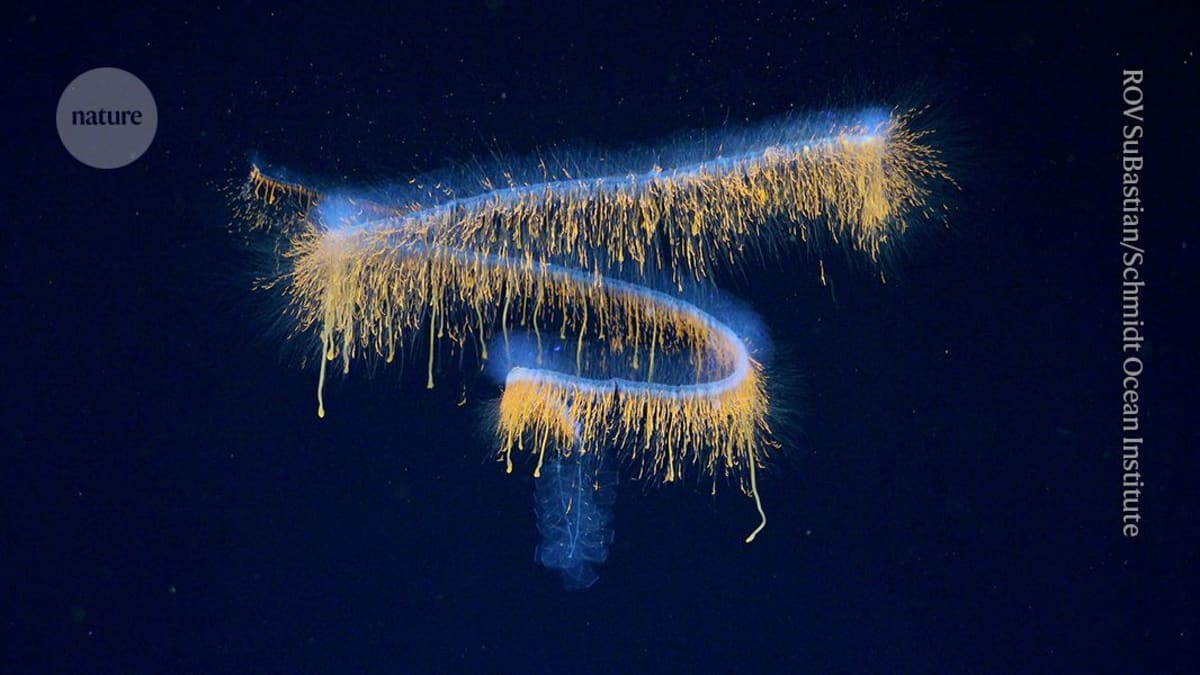
The newly discovered species include nine jellyfish, seven siphonophores (colonial creatures related to the Portuguese man-o'-war), seven comb jellies, and one gossamer worm. One siphonophore photographed at 552 meters deep might represent an entirely new genus, researchers say.
The expedition deployed these advanced imaging tools from the ROV SuBastian, a remotely operated vehicle that can safely reach depths impossible for human divers. This technology allows scientists to study animals that would otherwise be destroyed if brought to the surface.
Why This Inspires
These discoveries remind us how much wonder still exists in our world waiting to be found. Despite covering 70% of Earth's surface, our oceans remain less explored than the surface of Mars.
The imaging technology developed for this research represents a breakthrough in how we study marine life without disrupting it. Scientists can now observe and document deep-sea creatures in their natural state, preserving their delicate structures and behaviors.
Understanding these ecosystems becomes increasingly important as we face climate change and human impacts on ocean health. Each new species discovered helps scientists piece together how these complex underwater communities function and survive.
The expedition demonstrates what's possible when curiosity meets innovation. By developing tools that work with nature rather than against it, researchers are opening doors to knowledge that seemed impossible just years ago.
This glimpse into the deep reveals not just new species, but new possibilities for ocean exploration and conservation in the years ahead.
More Images

Based on reporting by Nature News
This story was written by BrightWire based on verified news reports.
Spread the positivity!
Share this good news with someone who needs it