Scientists Discover How DNA Folding Causes Heart Defects
Researchers found that losing just one copy of a heart development gene disrupts how DNA folds inside cells, potentially explaining why the same genetic mutation causes different birth defects. The discovery could transform how we understand and treat congenital heart disease.
Scientists just solved a puzzle that's been hiding inside every cell in our bodies.
Researchers at the Gladstone Institutes discovered that a gene called TBX5 doesn't just help build healthy hearts. It actually controls how DNA folds itself inside developing heart cells.
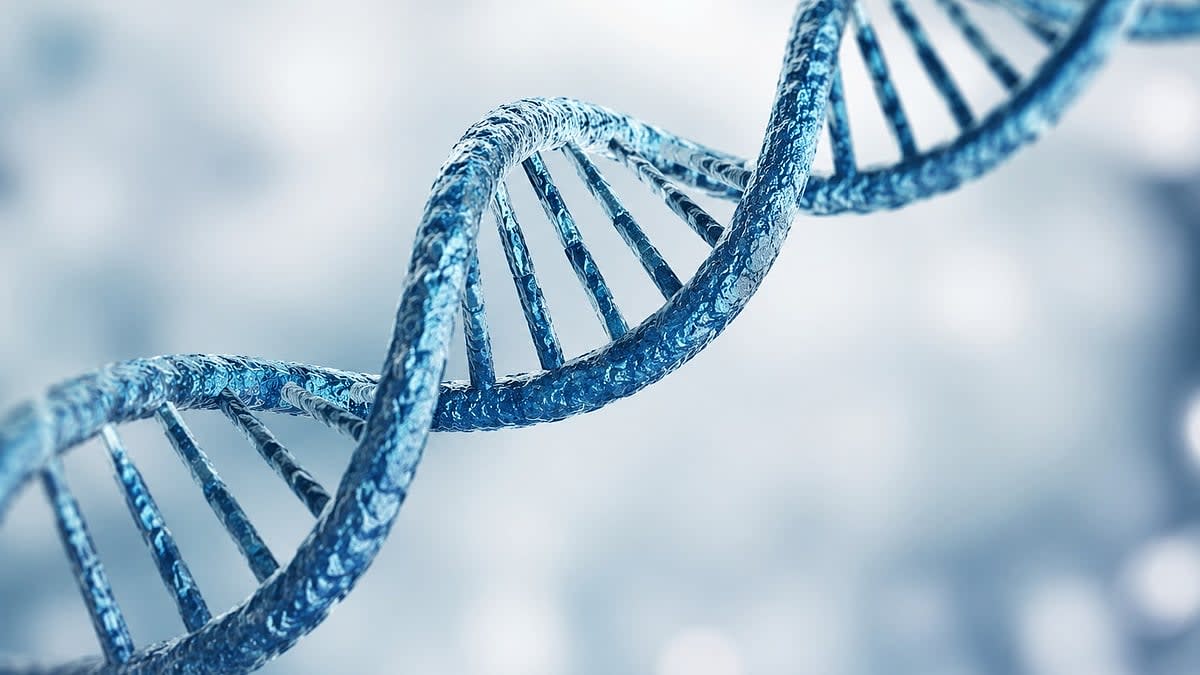
Think of DNA like a massive instruction manual stuffed into something the size of a pinhead. It can't just be crammed in randomly. It needs to be folded precisely so cells can find the right instructions at the right time.
The team found that losing even one functioning copy of TBX5 messes up that careful folding. When the folds go wrong, genes that should turn on during heart development stay silent instead.
This matters because congenital heart disease affects one in every 100 babies. Many of these cases involve mutations in genes like TBX5, but doctors have never fully understood why the same mutation can cause wildly different heart problems in different children.
The researchers grew heart muscle cells from human stem cells in the lab. Some had two healthy TBX5 copies, some had one, and some had none. Using high-resolution mapping techniques, they watched what happened to the DNA's three-dimensional structure.
The results were striking. Cutting TBX5 levels in half was enough to disrupt DNA folding at multiple levels, from large compartments down to tiny loops. Individual cells didn't all respond the same way either, which could explain why two people with identical mutations develop different heart defects.
The Ripple Effect
This discovery reaches far beyond heart disease. TBX5 belongs to a large family of genes where losing one copy causes developmental problems throughout the body.
If TBX5 acts as an architect for DNA in heart cells, similar genes might be organizing DNA in other developing organs. That means some genetic diseases might not just involve faulty instructions but faulty filing systems for those instructions.
The findings, published in Science, open new possibilities for understanding and potentially treating birth defects. Scientists might eventually develop therapies that help cells maintain proper DNA folding even when key genes are damaged.
For families affected by congenital heart disease, this research offers something precious: answers. Understanding exactly how these mutations work at the cellular level brings medicine one step closer to prevention and treatment.
The instruction manual for building a human heart has always been there. Scientists are finally learning how cells are supposed to read it.
Based on reporting by Google: scientists discover
This story was written by BrightWire based on verified news reports.
Spread the positivity!
Share this good news with someone who needs it