
Scientists Discover How to Slow ALS Nerve Cell Death
Salk Institute researchers have found that immune cells in the brain mistakenly attack healthy nerve cells in ALS patients, and blocking this process helped mice live longer. The discovery could open new paths for treating this devastating disease that affects 35,000 Americans.
Scientists just uncovered a crucial clue about why ALS destroys the body so quickly, and the findings could help patients live longer.
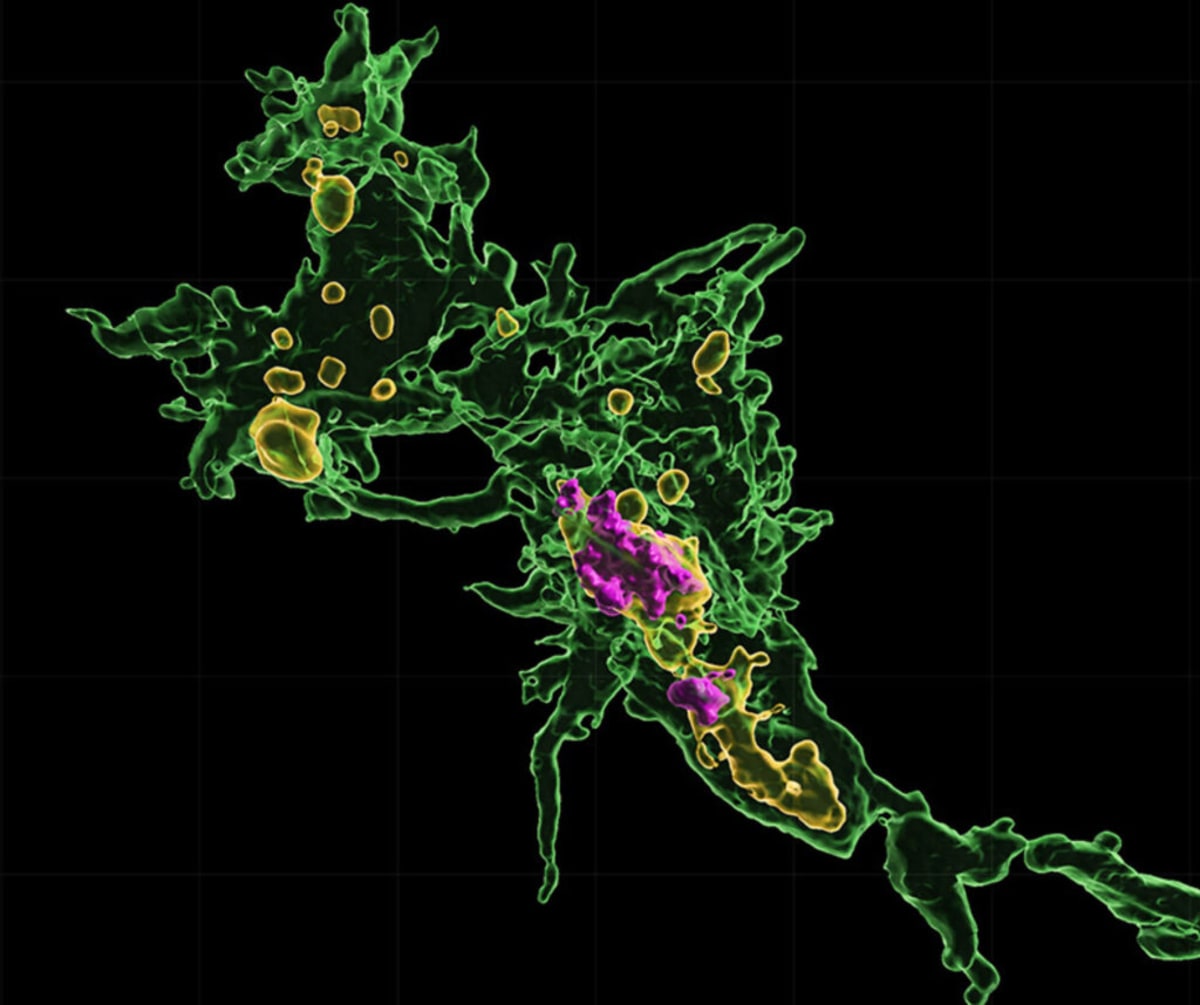
Researchers at the Salk Institute discovered that immune cells called microglia are eating living nerve cells in the spinal cords of mice with ALS. These cells normally clean up dead and dying cells throughout the body, but in ALS, they're attacking healthy motor neurons that control movement.
The team focused on proteins called TAM receptors, which were discovered by lead scientist Greg Lemke over 30 years ago. These proteins help immune cells recognize when a cell is dying and needs to be removed.
In healthy bodies, dying cells display a signal on their surface like an "eat me" sign. The TAM system recognizes that sign and clears away billions of dead cells every day without incident.
But in mice with ALS, something goes wrong. Living motor neurons start displaying those "eat me" signals when they shouldn't, and microglia follow their normal programming to destroy them.
When researchers removed two key TAM proteins called Axl and Mer from the mice, something surprising happened. The mice got sicker initially but lived longer overall.
"This was very weird to see," Lemke explained. Without these proteins, the mice preserved more muscle control because their motor neurons stayed alive longer.
The team found that microglia in regular ALS mice were stuffed full of eaten neurons. When the TAM system was disabled, this destructive feeding stopped.
Why This Inspires
This discovery matters because ALS currently has no cure and only limited treatments that slow its progression. About 5,000 Americans are diagnosed each year, with risk increasing as people age.
Understanding exactly how motor neurons die gives scientists new targets for potential therapies. The TAM receptor system is already being studied for treating cancers and autoimmune disorders, so researchers have existing knowledge to build on.
The findings published in Nature Communications represent years of detective work connecting microglia behavior to nerve cell death. Each piece of the puzzle brings hope closer to reality for patients and families facing this disease.
Most importantly, the research shows that protecting living neurons from mistaken immune attacks could extend survival, even in late-stage disease.
Scientists now have a clearer picture of what goes wrong in ALS and a potential pathway to stop it.
More Images
Based on reporting by Google News - Scientists Discover
This story was written by BrightWire based on verified news reports.
Spread the positivity!
Share this good news with someone who needs it