Scientists Discover New Monkey Species in Congo Rainforest
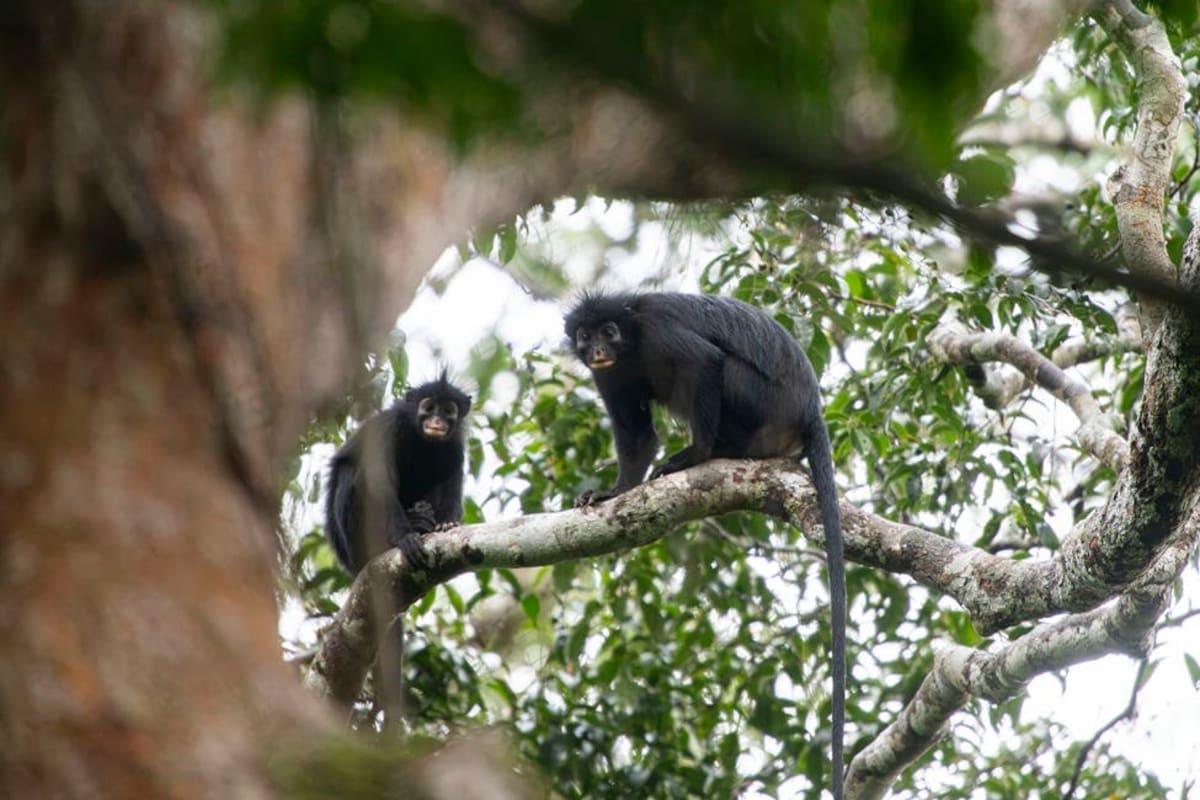
A rare black monkey hiding in Congo's forest canopy has been confirmed as a new species after a decade of careful research. The Likweli monkey is only the fifth African primate species discovered from a previously unknown population in 75 years.
📺 Watch the full story above
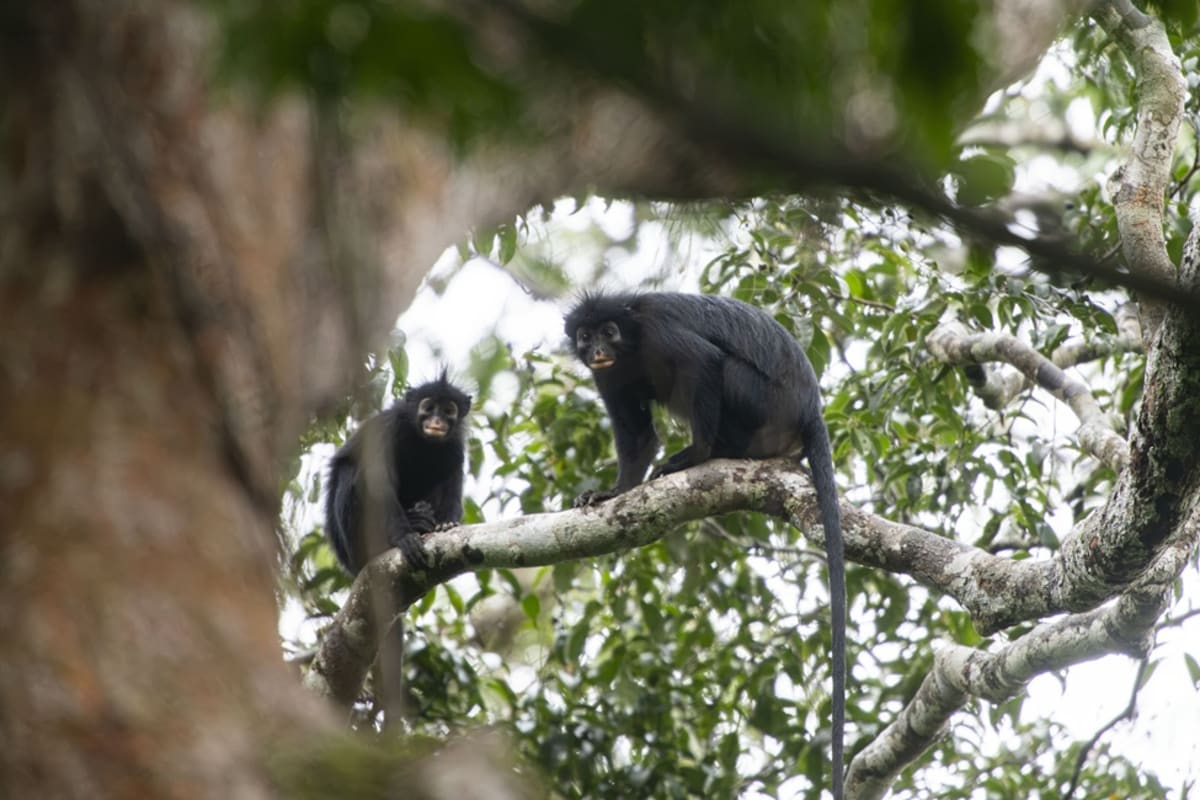
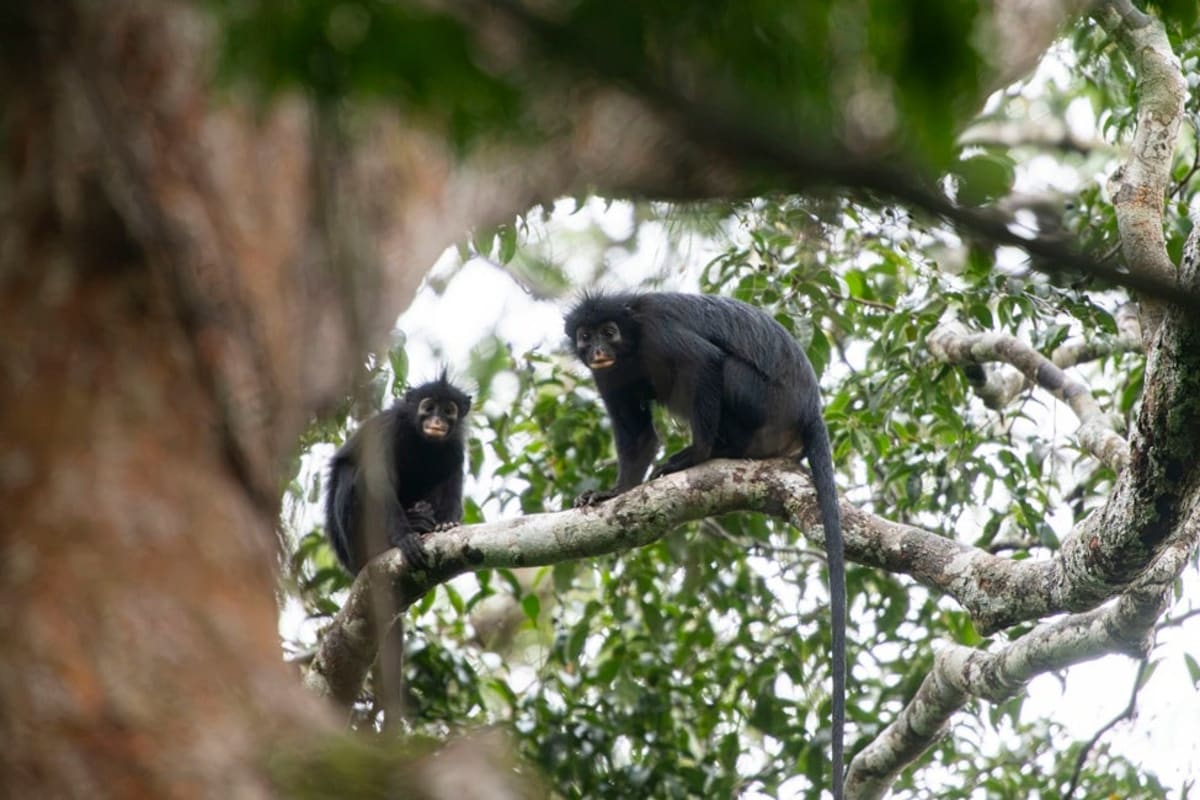
Deep in the Democratic Republic of Congo's rainforest, a small black monkey with cream-colored facial markings has been living secretly in the canopy, unknown to science until now.
An international research team has identified the Likweli as a distinct new species, Colobus congoensis. The discovery represents only the fifth African monkey species found from a previously unknown population in the past 75 years.
The journey began in 2008 when field researchers photographed an unidentified monkey in what would become Lomami National Park. Only part of the animal was visible, and nothing more surfaced for a decade.
In 2018, Congolese field researcher Jean Pierre Kapale captured clear photos of a black monkey with pale facial markings and a distinctive white patch beneath its tail. Over 10 months, his team recorded the animal seven more times.
"Our team evaluated multiple datasets that all reached the same conclusion: Likweli is a distinct species of Colobus monkey we haven't seen before," said Julia Arenson, a Yale postdoctoral fellow. "Discovering a primate species is exceptionally rare, especially from populations previously unknown to science."
The name Likweli comes from local communities living near the monkey's range. Its black coat is broken by orange-cream skin around the mouth and nose, making it distinctive from its closest relative, the black colobus that lives 1,200 kilometers away.
Between 2018 and 2022, field teams recorded 114 sightings across about 1,700 square kilometers of forest. The monkeys typically stayed high in the canopy, traveling in groups of six animals on average.
Local knowledge confirmed just how secretive this species is. Researchers visited 52 villages within the monkey's range, but residents in only eight communities knew the animal well enough to describe its distinctive markings accurately.
"The discovery and documentation of the Likweli never would have happened without our team of Congolese explorer naturalists," said lead author John Hart. "These field leaders recognized when they were in front of something they did not know."
Their work involved hundreds of hours and thousands of kilometers of travel through trackless forest. The dedication paid off with physical specimens, genetic samples, and vocal recordings that all confirmed Likweli as a separate species.
Why This Inspires
This discovery shows what's possible when local knowledge meets scientific dedication. Congolese field researchers spent years documenting an animal so rare that most nearby communities had never seen it.
The team's genetic analysis revealed that Likweli and the black colobus separated roughly 4 to 6 million years ago, representing the deepest split between sister species in the Colobus genus. Even the monkeys' roars differ in sequence and frequency patterns.
The specimens now housed at Yale Peabody Museum will help scientists understand primate evolution in central Africa. The research, published in PLOS One, involved collaboration between Yale University, the Lukuru Wildlife Research Foundation, Lomami National Park, and Congolese conservation authorities.
While Likweli faces threats from hunting and habitat loss in its narrow range, its official recognition as a new species is the first step toward focused conservation efforts that can help protect this remarkable discovery for generations to come.
More Images



Based on reporting by Google News - Scientists Discover
This story was written by BrightWire based on verified news reports.
Spread the positivity!
Share this good news with someone who needs it