Scientists Discover New Type of Planet 35 Light-Years Away
Oxford researchers have identified an entirely new class of planet that doesn't fit any known category. The molten, sulfur-rich world has been bubbling with magma for billions of years.
Scientists just found a planet unlike anything we've ever seen, and it's rewriting what we thought was possible in the universe.
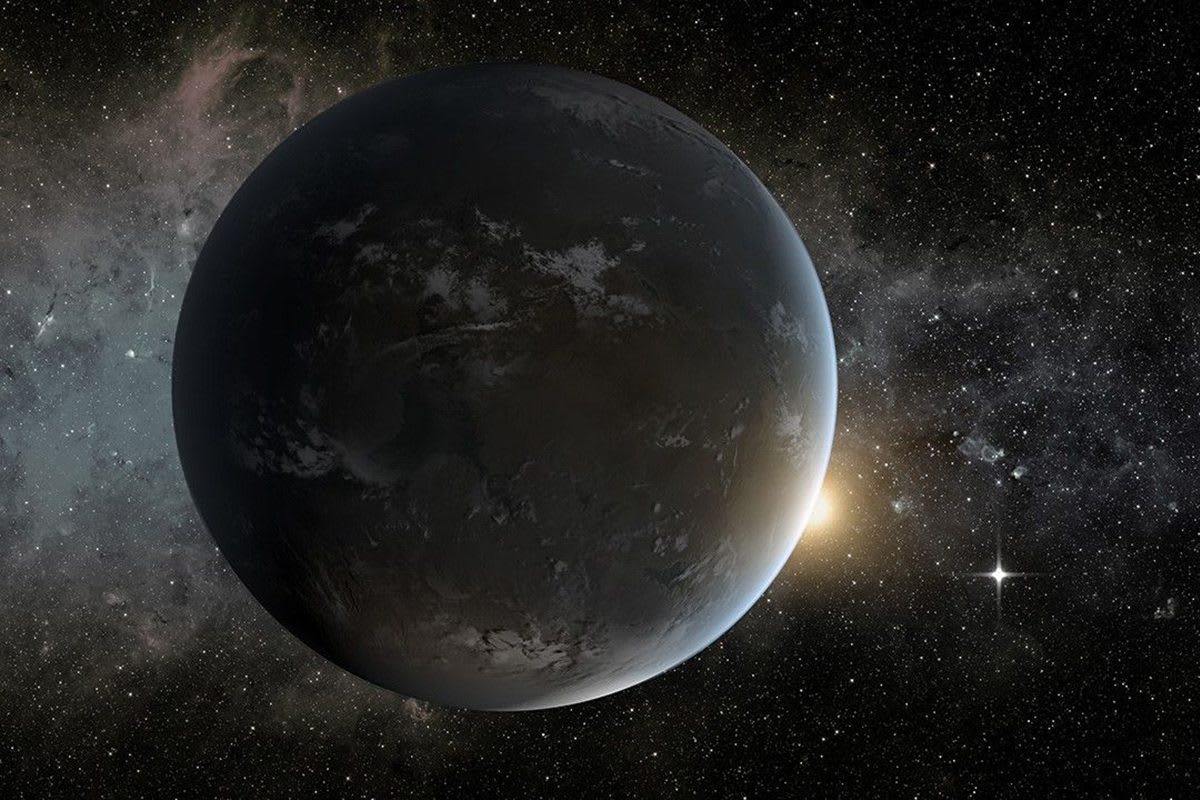
Researchers at the University of Oxford discovered L 98-59 d, a planet about 35 light-years from Earth that doesn't match any existing planetary category. It's not rocky like Earth, not gaseous like Jupiter, and not water-rich like some distant worlds.
Instead, this groundbreaking find is something completely new: a molten world covered in a vast ocean of magma that's been liquid for billions of years. The planet is about 1.6 times the size of Earth but weighs less than expected, puzzling scientists until they figured out its unique composition.
What keeps this world molten is a thick atmosphere packed with sulfur compounds (yes, it probably smells like rotten eggs). This creates such an intense greenhouse effect that the surface never gets a chance to cool down and form a solid crust like Earth did billions of years ago.
Scientists believe L 98-59 d might have started as a sub-Neptune type planet before shrinking and losing much of its original atmosphere. Now it represents an entirely new planetary category that astronomers hadn't even considered.
Why This Inspires
This discovery proves that our universe is far more diverse and surprising than our current models suggest. Dr. Harrison Nicholls, who led the study, explains that the categories astronomers use to describe planets may be too simple to capture the incredible variety that exists beyond our solar system.
What's particularly exciting is how scientists figured this out. Using computer models, they reconstructed the deep past of a world they'll never physically visit, working only from measurements of its size, mass, and atmosphere. Professor Raymond Pierrehumbert calls it a game changer for understanding alien worlds.
The team believes many more of these molten planets are waiting to be discovered by next-generation telescopes. Each new find helps us understand how planetary systems form and evolve under wildly different conditions than our own.
This discovery reminds us that exploration never stops revealing wonders, and the universe still holds countless surprises we haven't imagined yet.
More Images


Based on reporting by Google: NASA discovery
This story was written by BrightWire based on verified news reports.
Spread the positivity!
Share this good news with someone who needs it