Scientists discover why smells unlock childhood memories
French researchers have pinpointed the exact brain cells that store early childhood scent memories, explaining why a simple smell can transport you back decades. The discovery reveals that special cells formed on day one of life capture our first pleasant experiences.
Scientists have finally solved a mystery that Marcel Proust made famous over a century ago: why certain smells can instantly flood us with vivid childhood memories.
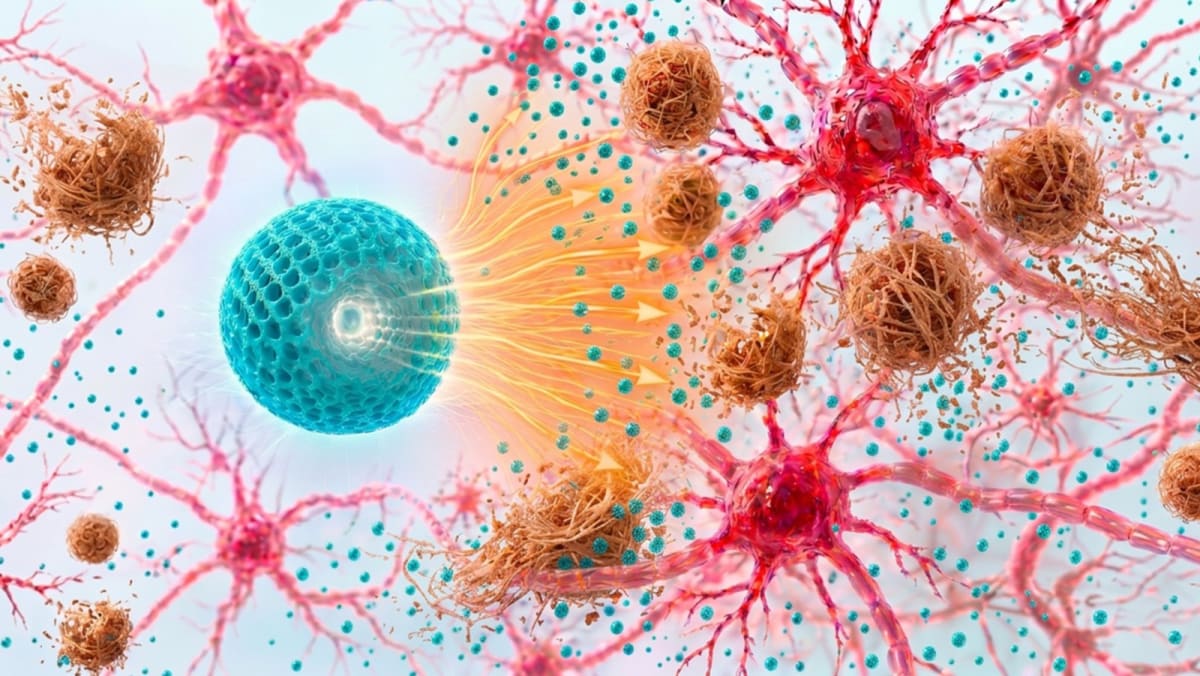
Researchers at the Lyon Neuroscience Research Center in France discovered that tiny "granule" cells in the brain's smell center hold the key. These special cells are created on the very first day of life and seem designed to capture pleasant scents from our first decade, which explains why smell-triggered memories feel so powerful even when we thought we'd forgotten them.
The team surveyed more than 600 people and found that most had experienced this "Proust's madeleine" phenomenon, named after a scene in the author's novel where a bite of cake triggers a rush of childhood memories. Nearly all the memories people recalled were positive ones.
To confirm their theory, the researchers exposed young mice to pleasant natural scents, then used optical fibers to switch off the granule cells in some of the animals' brains. Normal mice were drawn to the familiar scents later, but mice with silenced granule cells showed no recognition at all.
The study, published in PLOS Biology, suggests these early-formed cells create privileged connections with brain areas linked to pleasure and reward. That unique wiring might explain why childhood scent memories feel more vivid than memories triggered by other senses.
Physical chemist Hervé This called the findings "fascinating" and shared his own example: pâté lorrain must be cooked for exactly one hour to match the taste from his childhood. Some experts noted that all our senses can trigger strong memories, but smell works like a password that needs to be exact.
Why This Inspires
This research does more than satisfy scientific curiosity. It validates something deeply human: those unexpected moments when a scent stops us in our tracks and reconnects us to our earliest joys. Understanding how our brains preserve these positive memories reminds us that our happiest experiences never truly leave us.
The discovery also opens new possibilities for memory research and could help scientists better understand how early experiences shape who we become.
More Images



Based on reporting by Scientific American
This story was written by BrightWire based on verified news reports.
Spread the positivity!
Share this good news with someone who needs it