Search

Find uplifting stories about heroes, innovations, and solutions

281 results for "smell"

Harvard Maps How We Smell for First Time Ever
Health & WellnessMay 8

Harvard Maps How We Smell for First Time Ever

Scientists have created the first detailed map of how smell works in the nose, solving a mystery that has puzzled researchers for decades. The discovery could lead to new treatments for people who've lost their sense of smell.

Google News - Scientists Discover3 min read
Scientists Map How Mouse Noses Detect Smells
InnovationApr 28

Scientists Map How Mouse Noses Detect Smells

Researchers have created the first detailed maps showing exactly how mouse noses are organized to detect smells, overturning 30 years of scientific teaching. The discovery reveals that smell receptors arrange themselves in precise horizontal stripes, not randomly as previously believed.

Nature News2 min read
Ohio Scientists Create Wearable Device to Restore Smell
Health & Wellness5d ago

Ohio Scientists Create Wearable Device to Restore Smell

A researcher at Ohio State University has developed a simple clip and plug device that helps people regain their sense of smell. For the first time, smell loss patients are smelling coffee and chocolate again.

Scientific American3 min read
Scientists Map How Mouse Noses Actually Detect Smells
InnovationApr 29

Scientists Map How Mouse Noses Actually Detect Smells

Scientists just overturned 30 years of textbook science about how noses work, creating the first detailed "smell maps" that show receptors are precisely organized, not random. The discovery could revolutionize our understanding of the sense of smell across all mammals.

Google News - Science3 min read
Scientists Map 1,100 Smell Receptors in Mouse Nose
InnovationApr 29

Scientists Map 1,100 Smell Receptors in Mouse Nose

Researchers discovered that smell receptors in the mouse nose aren't randomly scattered but organized into over a thousand precise stripes. This breakthrough could help us understand human smell loss and develop new treatments.

Live Science2 min read
Scientists Map Smell System, Opening Door to New Treatments
InnovationApr 30

Scientists Map Smell System, Opening Door to New Treatments

Harvard researchers just cracked one of biology's biggest mysteries by discovering smell receptors in the nose form organized stripes, not random clusters. This breakthrough could finally lead to treatments for people who've lost their sense of smell.

Science Daily2 min read
Harvard Maps 1,000+ Smell Receptors in Medical First
Health & WellnessApr 29

Harvard Maps 1,000+ Smell Receptors in Medical First

Scientists at Harvard Medical School created the first complete map of smell receptors in the nose, solving a mystery that has puzzled researchers for decades. The breakthrough could lead to new treatments for millions who lost their sense of smell to COVID-19 and other conditions.

Google News - Health Breakthrough2 min read
Scientists discover why smells unlock childhood memories
Health & Wellness2h ago

Scientists discover why smells unlock childhood memories

French researchers have pinpointed the exact brain cells that store early childhood scent memories, explaining why a simple smell can transport you back decades. The discovery reveals that special cells formed on day one of life capture our first pleasant experiences.

Scientific American2 min read
New Smell Loss Treatments Show Promise After COVID
Health & WellnessJan 26

New Smell Loss Treatments Show Promise After COVID

Millions who lost their sense of smell during COVID now have real hope. Scientists are testing breakthrough treatments that could restore this life-changing sense.

Google News - New Treatment3 min read
Moon Dust Smelled Like Gunpowder and Scientists Still Don't Know Why
InnovationJun 14

Moon Dust Smelled Like Gunpowder and Scientists Still Don't Know Why

Apollo astronauts consistently reported that fresh lunar dust smelled exactly like spent gunpowder, but the mysterious scent vanished before samples reached Earth. More than 50 years later, scientists still can't fully explain what the astronauts were smelling.

Google News - Science2 min read
Astronauts Say Rain Smells Overwhelming After Months in Space
Community HeroesJul 20

Astronauts Say Rain Smells Overwhelming After Months in Space

After 340 days in orbit, astronaut Scott Kelly found Earth's sensory experiences overwhelming—rain smelled too strong, furniture burned his skin, and driving felt like piloting a rover. Every astronaut who spends months in space returns to a planet their nervous system must relearn. #

Google News - Science3 min read
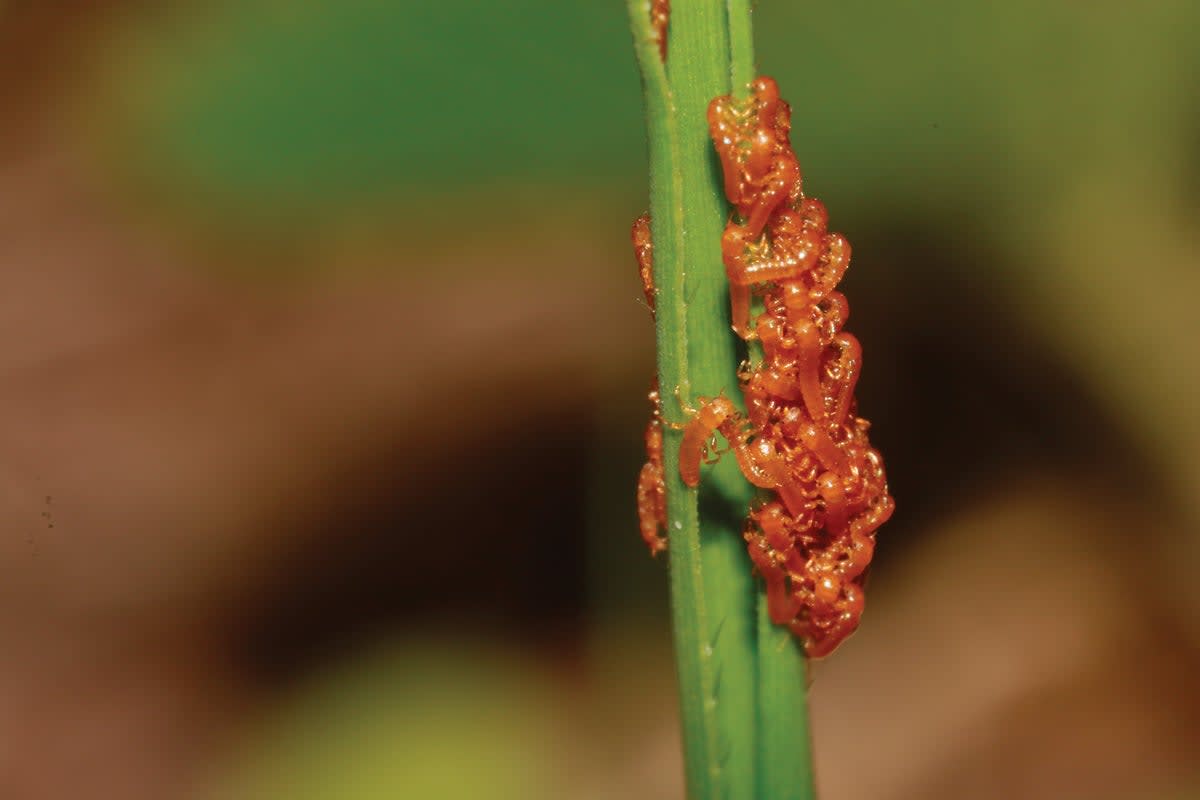
Baby Beetles Team Up to Smell Like Flowers
Planet WinsApr 13

Baby Beetles Team Up to Smell Like Flowers

Scientists discovered that parasitic beetle larvae work together to release floral scents, becoming the first known animals to mimic flower smells. The tiny tricksters use this perfume strategy to hitch rides with unsuspecting bees.

Scientific American2 min read
Nurse Smells Parkinson's Years Before Diagnosis
Health & WellnessMay 3

Nurse Smells Parkinson's Years Before Diagnosis

Joy Milne detected a distinctive scent on her husband years before doctors diagnosed his Parkinson's disease. Her extraordinary ability has now been developed into a non-invasive test that could help millions get earlier diagnoses. ---

TED2 min read
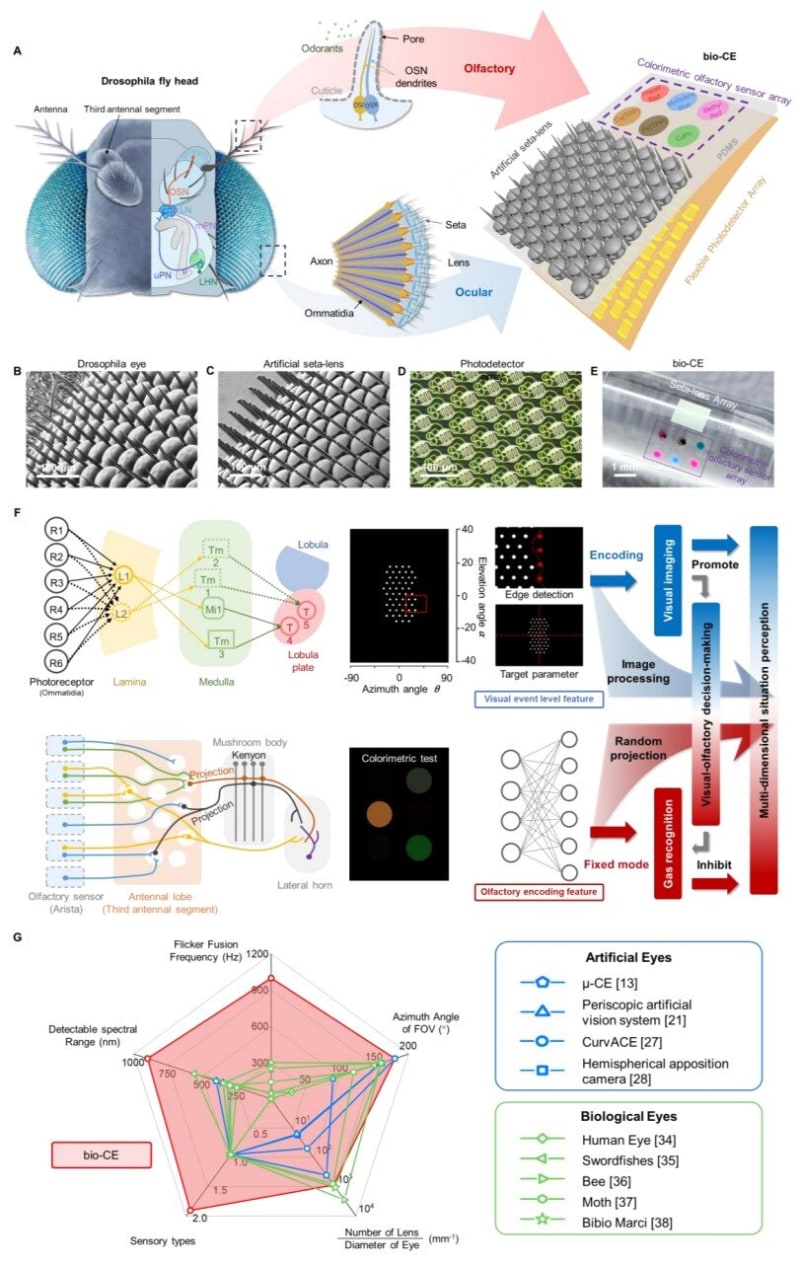
Fly-Inspired Robot Eye Sees and Smells Danger at Once
InnovationFeb 12

Fly-Inspired Robot Eye Sees and Smells Danger at Once

Scientists created a tiny artificial eye inspired by fruit flies that gives robots 180-degree vision and the ability to detect hazardous gases. The breakthrough could help search-and-rescue drones navigate disaster zones and find survivors in collapsed buildings.

Phys.org - Technology2 min read
800-Year-Old Chinese Mummy Still Smells Like Perfume
InnovationJan 19

800-Year-Old Chinese Mummy Still Smells Like Perfume

Scientists studying a Song Dynasty nobleman's remains discovered his body still emits pleasant fragrances from frankincense and ambergris used 800 years ago. The groundbreaking research revealed ancient Chinese embalming secrets and unexpected insights into heart disease.

Good News Network2 min read
Startup Creates AI 'Pantone for Scent' to Revolutionize Perfume
InnovationMay 22

Startup Creates AI 'Pantone for Scent' to Revolutionize Perfume

A Brooklyn startup just raised $2 million to do what seemed impossible five years ago: crack the biological code of smell. Using AI and molecular design, Patina is creating never-before-smelled scent molecules that could transform how perfumes, candles, and flavored products are made.

TechCrunch3 min read
Popcorn-Scented 'Bearcats' Get New Hope Against Extinction
Planet Wins14h ago

Popcorn-Scented 'Bearcats' Get New Hope Against Extinction

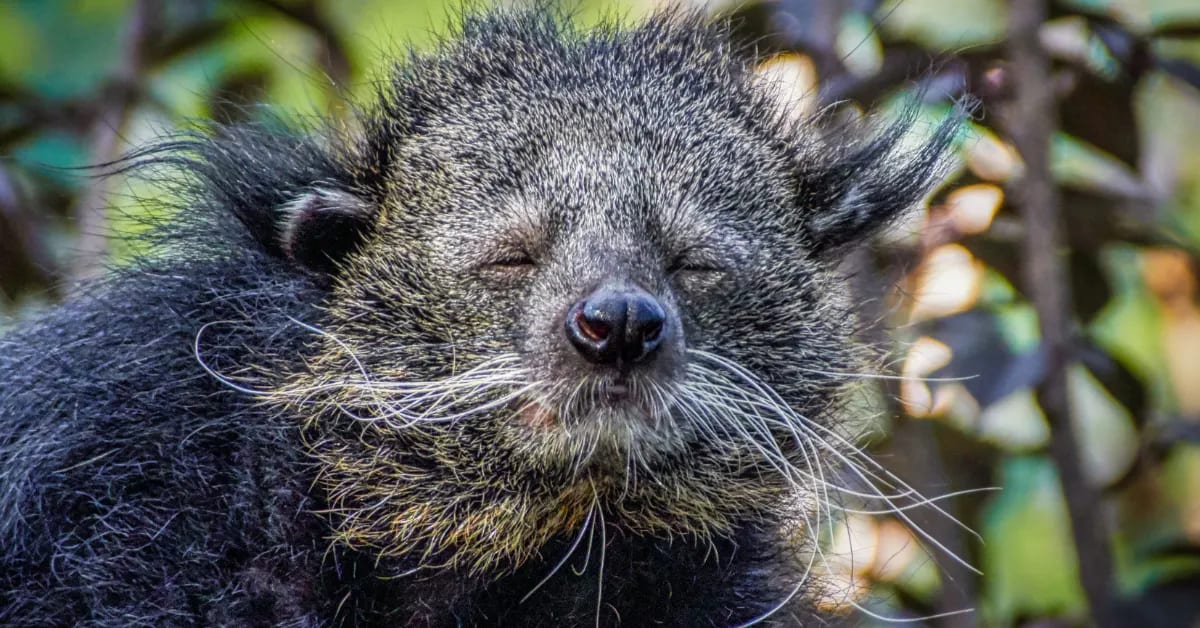
The binturong, a peculiar mammal that smells like buttered popcorn and looks like a raccoon from a fantasy film, is getting a lifeline from conservationists fighting wildlife trafficking. Rangers equipped by Flora & Fauna are working to save these vulnerable creatures before they vanish forever.

Good Good Good3 min read
MIT Invents Machine That Turns Your Photos Into Scents
InnovationFeb 16

MIT Invents Machine That Turns Your Photos Into Scents

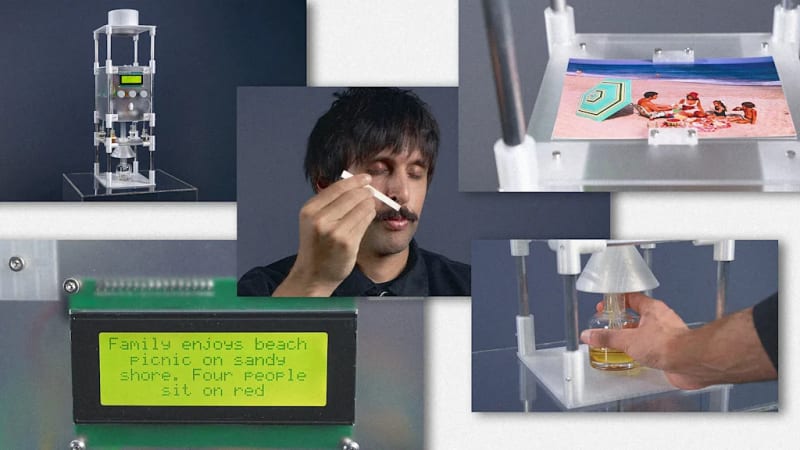
Scientists at MIT created a device that transforms old photographs into custom fragrances, letting you smell memories you've never actually experienced. The AI-powered invention explores how technology might help us connect with the past in entirely new ways.

Fast Company3 min read
Museums Recreate Ancient Egyptian Scents From DNA Evidence
InnovationFeb 5

Museums Recreate Ancient Egyptian Scents From DNA Evidence

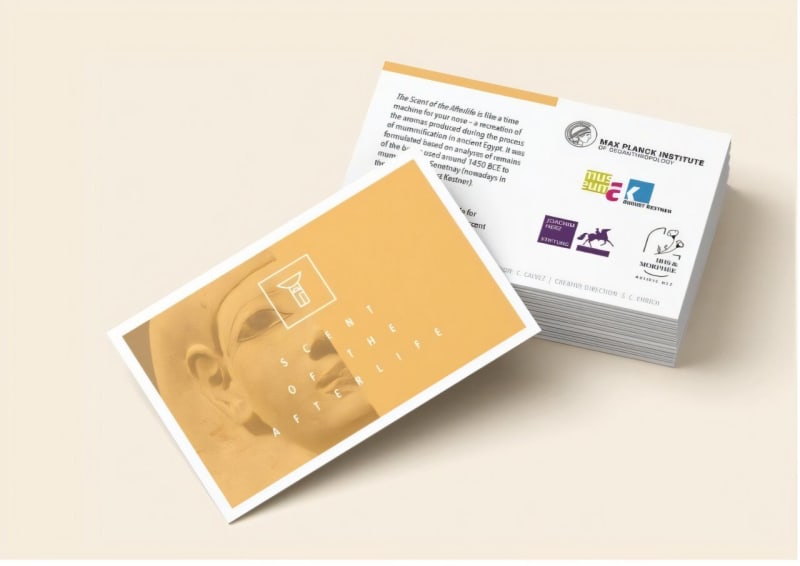
Scientists just figured out how to bring ancient smells back to life using molecular traces left on artifacts. Museums in Germany and Denmark are now letting visitors experience the actual aromas used in Egyptian mummification 3,000 years ago.

Phys.org2 min read
Scientists Recreate 3,500-Year-Old Egyptian Scents
InnovationFeb 7

Scientists Recreate 3,500-Year-Old Egyptian Scents

Museums are bringing ancient history to life through smell, letting visitors experience the exact aromas used in Egyptian mummification 3,500 years ago. The breakthrough uses molecular archaeology to recreate scents from chemical traces left on ancient artifacts.

Good News Network3 min read

Showing 20 of 281