Scientists Find 110+ New Species in Australia's Coral Sea
Marine scientists discovered more than 110 new species in Australia's Coral Sea, with the count expected to reach 200 as identification continues. The findings came from a 35-day expedition exploring one of the planet's least-studied marine environments.
Imagine exploring a vast underwater world where nearly everything you find has never been seen before. That's exactly what happened when marine scientists ventured into the depths of Australia's Coral Sea Marine Park, discovering more than 110 new species and counting.
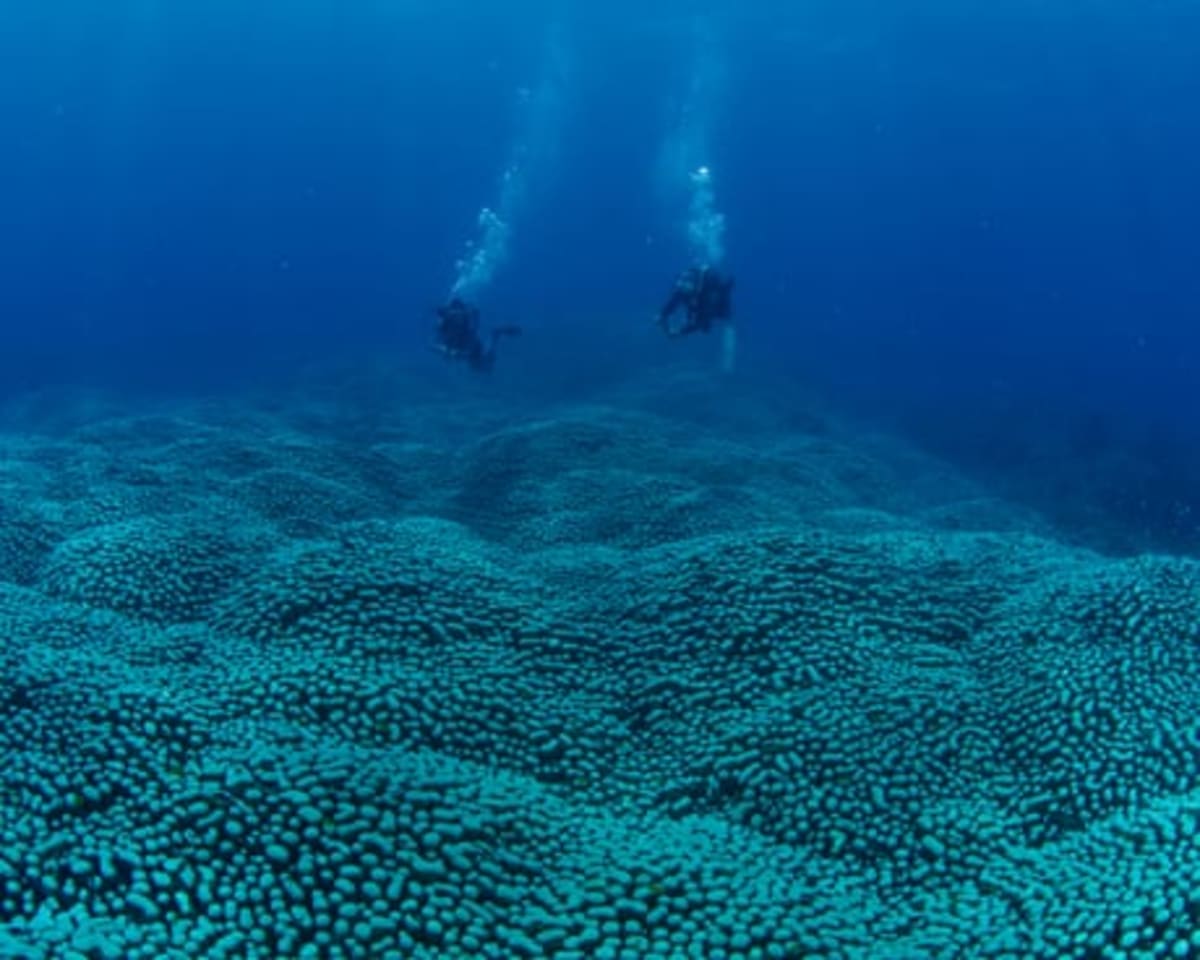
The expedition took place aboard the CSIRO's Investigator research vessel during a 35-day voyage that launched from Brisbane last October. Scientists explored waters between 200 meters and 3 kilometers deep, traveling as far as Mellish Reef, about 1,000 kilometers off the Queensland coast.
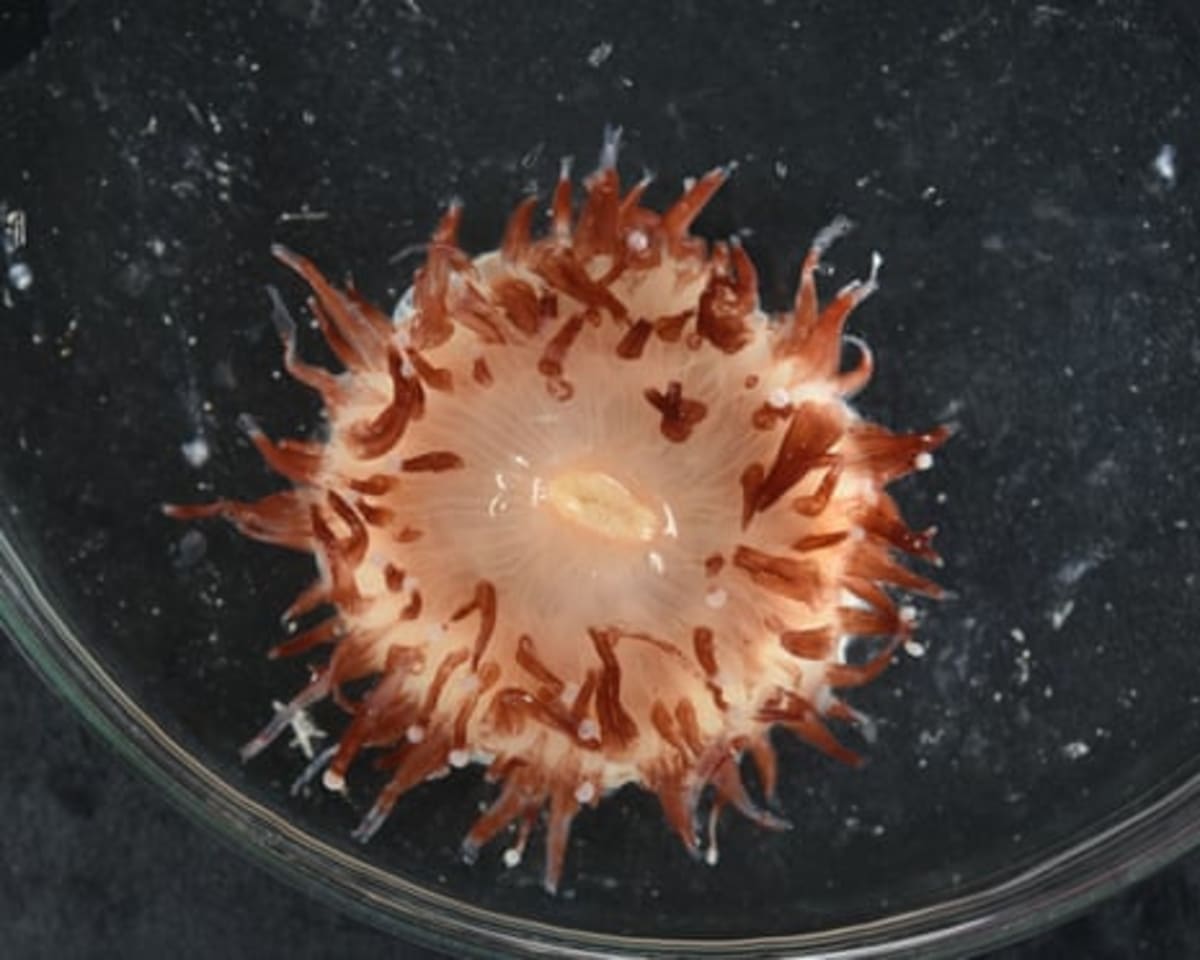
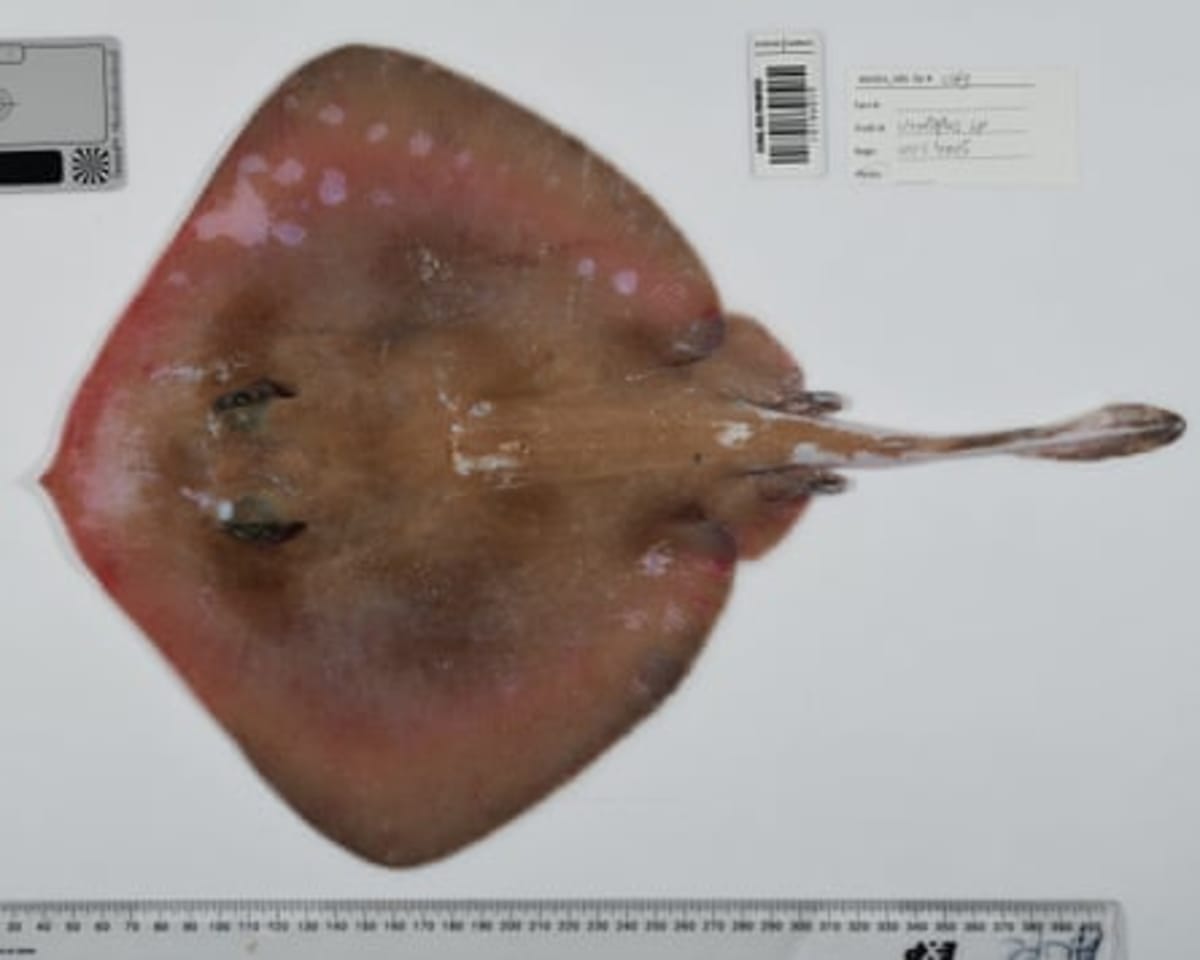
The haul included brittlestars, crabs, sea anemones, sponges, and several fish species never before documented by science. Dr. Will White, the voyage's chief scientist, personally identified four new species: a ray, a skate, a deepwater catshark, and a chimaera (also called a ghost shark).
The newly discovered ray, found on the Kenn Plateau between Australia and New Caledonia, is a type of stingaree with a relatively long tail and a distinctive caudal fin. The deepwater catshark is dark-bodied and slow-moving, perfectly adapted to life in the ocean's twilight zone.
What makes these discoveries even more remarkable is where they happened. The Coral Sea Marine Park is Australia's largest marine protected area, spanning nearly 1 million square kilometers to the east of the Great Barrier Reef.
After the voyage, specimens were shared with museums across Australia for identification workshops. Dr. Claire Rowe from the Australian Museum said these gatherings were "likely the largest taxonomic workshops of marine animals ever undertaken in Australia."
The Ripple Effect
This expedition goes far beyond adding names to scientific databases. Understanding what lives in the deep sea becomes increasingly urgent as these environments face mounting threats from overfishing, climate change, and potential deep-sea mining operations.
"We need to understand what's out there before it's lost," Rowe explained. The Coral Sea has warmed by almost half a degree over the past 30 to 40 years, with recent temperatures hitting record highs.
The tissue samples and photographs collected will help scientists identify cryptic species like jellyfish that look similar but are genetically distinct. Genetic testing is ongoing to confirm exactly how many new species were found.
The specimens now live in collections at the CSIRO, Australian Museum, and state museums across the country, where they'll help scientists understand deep-sea biodiversity for generations to come. Every new discovery is a reminder that our oceans still hold countless wonders waiting to be found and protected.
More Images

Based on reporting by Google News - Scientists Discover
This story was written by BrightWire based on verified news reports.
Spread the positivity!
Share this good news with someone who needs it