Scientists Find 20 Million Insect Species on Earth
New research reveals Earth hosts 20 million insect species—triple previous estimates—using innovative tracking methods borrowed from disease epidemiology. We've only discovered 1.5 million so far, meaning countless tiny wonders remain hidden in forests worldwide.
Imagine discovering that Earth has three times more creatures than we thought possible, each one a tiny marvel waiting to be understood.
Scientists at Cornell University just revealed that our planet hosts about 20 million insect species, shattering the long-held estimate of 6 million. Even more incredible? We've only identified 1.5 million of them, meaning millions of species with remarkable abilities and behaviors remain completely unknown to science.
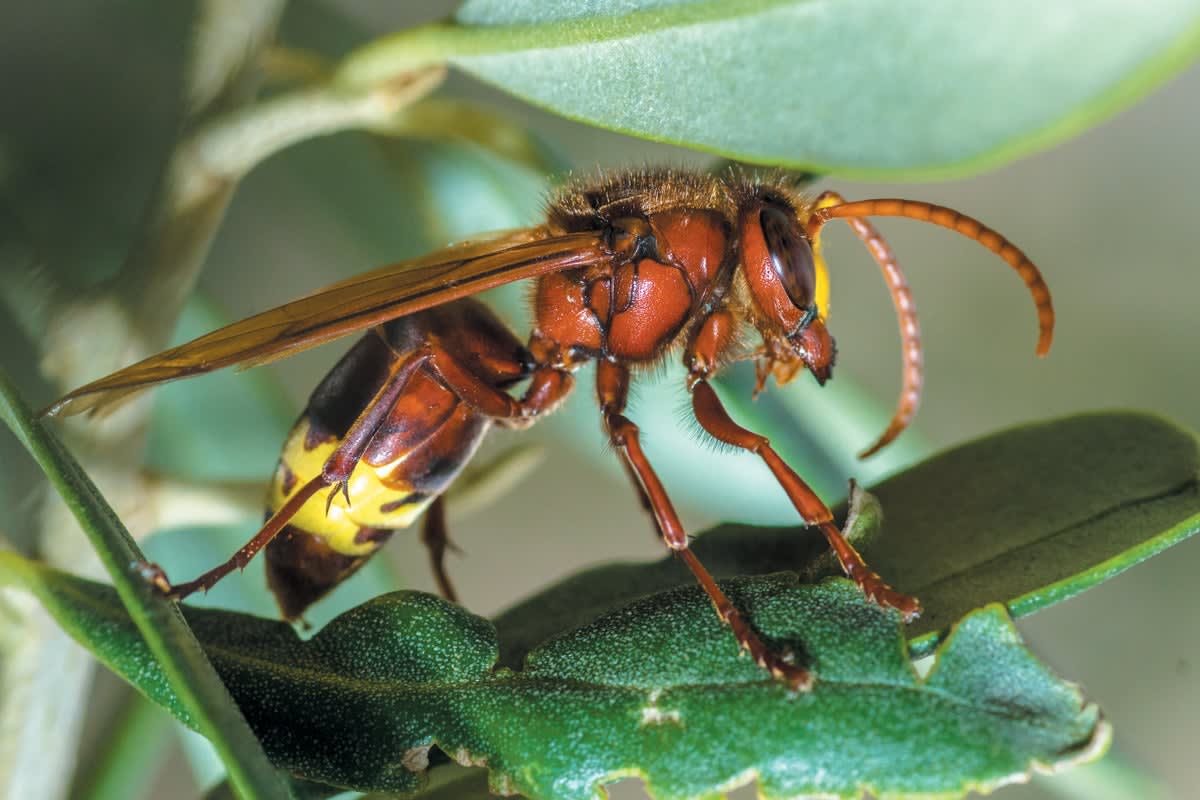
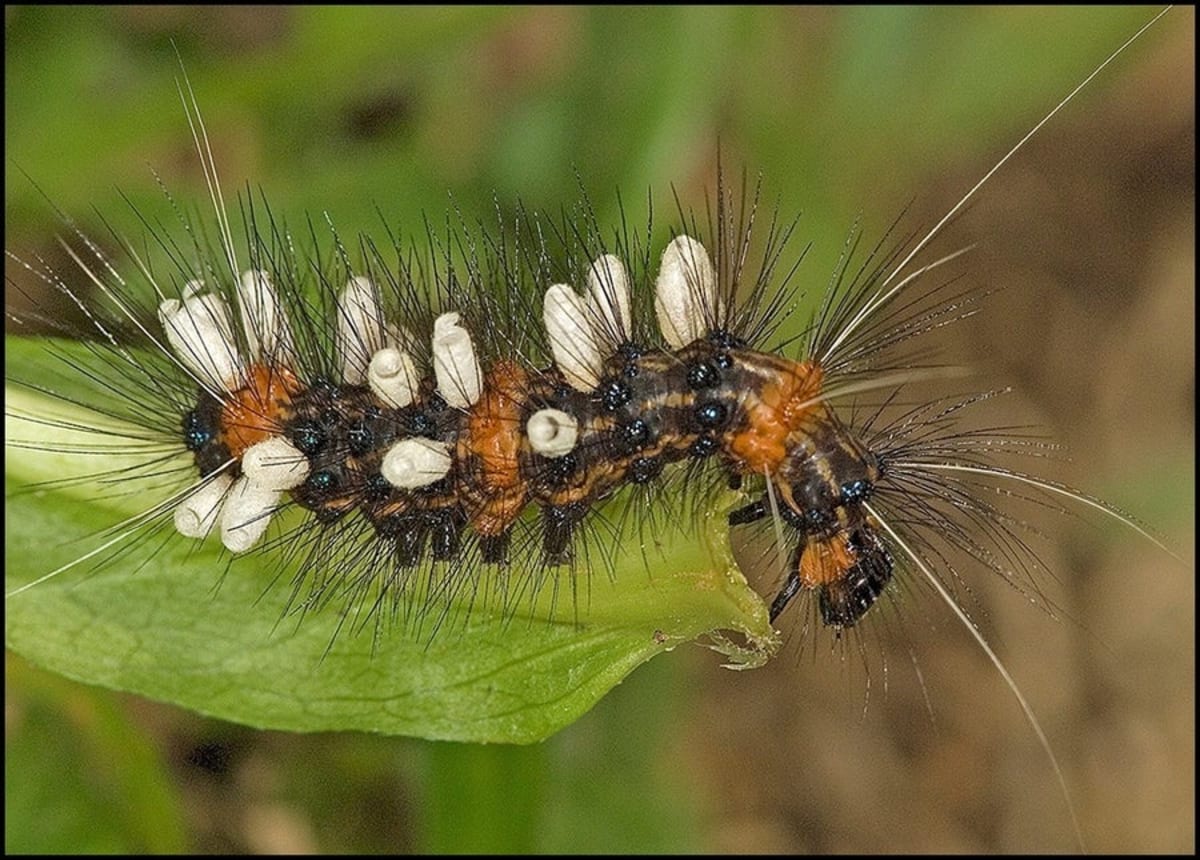
The discovery came from an unexpected combination of sources. Laura Melissa Guzman and her team spent decades tracking parasitoid wasps in Costa Rican cloud forests. These dramatic insects hatch from eggs inside other creatures, emerging like something from science fiction.
The researchers set up tent-shaped nets that caught flying insects, collecting 1.6 million bugs over time. But the real breakthrough came when they borrowed a technique from public health officials tracking hepatitis outbreaks in Taiwan.
Just as disease trackers estimate total infections by comparing different data sources, the scientists compared three separate wasp-tracking projects. They found that 30 percent of wasp species appeared only once in their traps, signaling vast undiscovered diversity.
Using DNA barcoding, they identified nearly 54,000 species in their Costa Rican samples alone. Then they did something clever: they used trees as a measuring stick. Since we know tree diversity patterns across the globe, they could scale up their local findings worldwide.
The math led them to 20 million total insect species. Nigel Stork, an entomologist who made earlier estimates, called the work "a game changer."
The Bright Side
This discovery means our world holds far more wonder than we imagined. Millions of insects with unique adaptations, survival strategies, and roles in their ecosystems are out there right now, living their remarkable lives in forests, fields, and wild spaces across every continent.
The findings also give conservation efforts a clearer picture. Knowing what we stand to lose helps us protect it better. Every preserved habitat likely shelters countless species that science hasn't even named yet.
The research shows that curiosity and creativity can reveal hidden worlds, even when traditional methods fall short.
Scientists today can only dream of the discoveries waiting in those 18.5 million unnamed species, but knowing they exist makes protecting biodiversity feel both more urgent and more full of possibility.
More Images


Based on reporting by Scientific American
This story was written by BrightWire based on verified news reports.
Spread the positivity!
Share this good news with someone who needs it