Kew Gardens Digitizes 7.4M Plants for Global Researchers
London's famous Kew Gardens just made 7.4 million plant and fungi specimens freely available online to scientists worldwide. The four-year project could revolutionize how we understand and protect Earth's disappearing biodiversity.
One of the world's greatest botanical treasures just opened its doors to everyone with an internet connection.
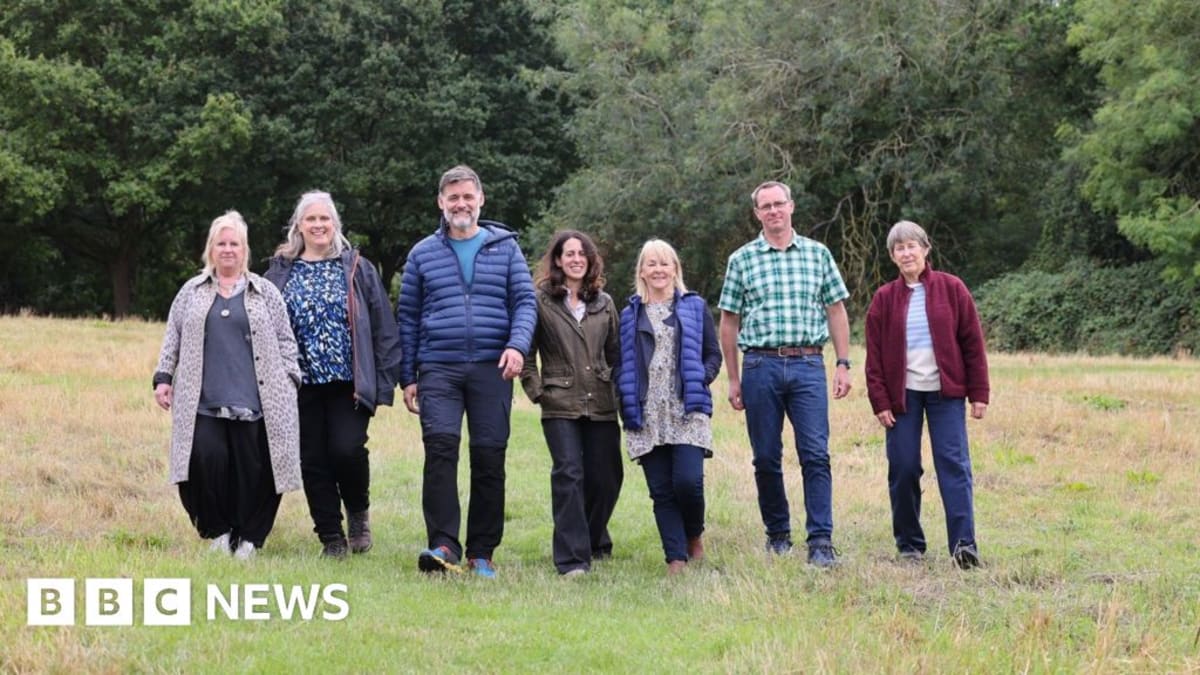
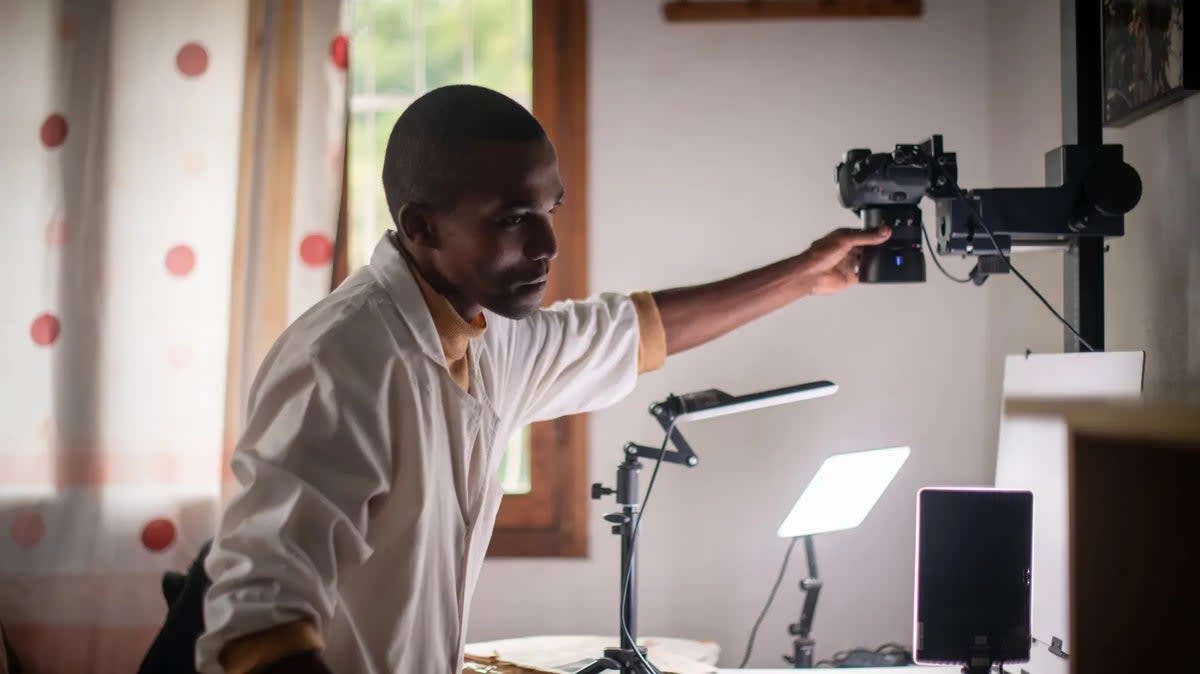
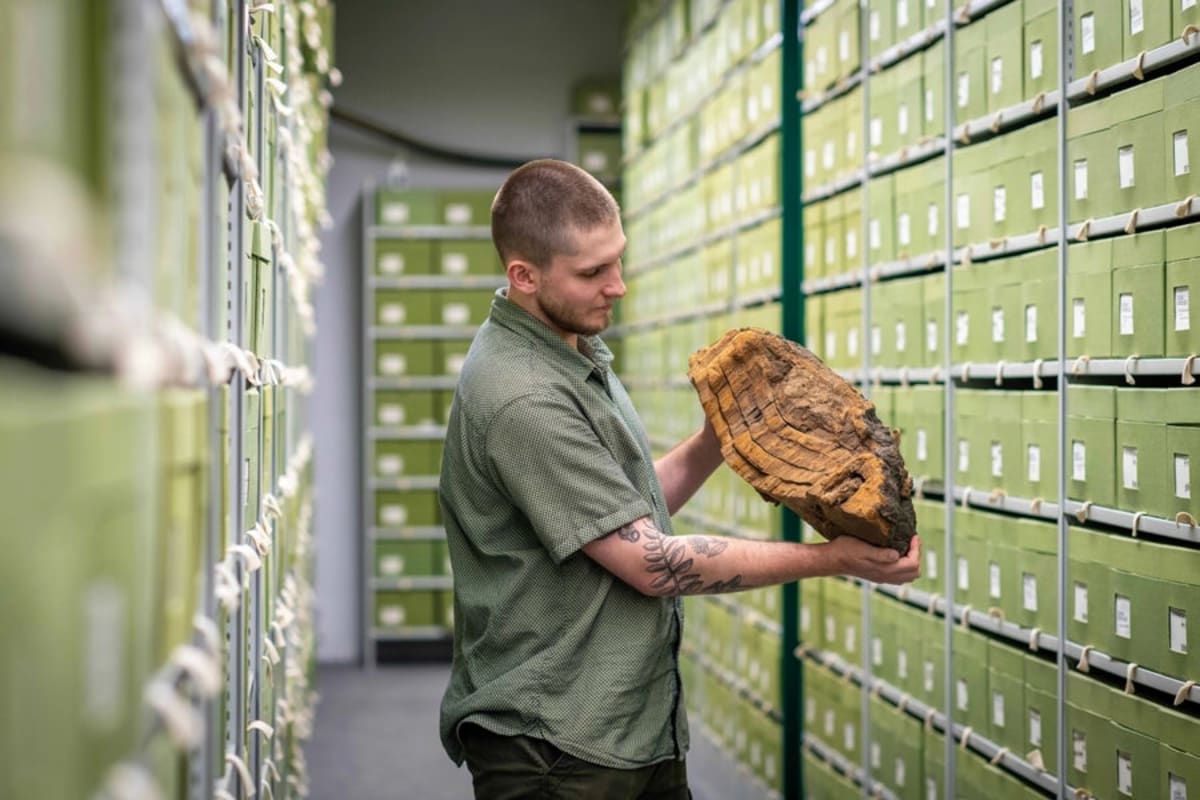
The Royal Botanic Gardens at Kew in southwest London announced it has digitized all 7.4 million specimens in its collection, making 250 years of botanical history available free to researchers anywhere on Earth. The four-year project cost £15 million and involved 100 staff members and 42 volunteers operating four high-resolution cameras.
Every cupboard and every box has been opened for the first time in history. The digital images capture not just the pressed plants and fungi themselves, but also handwritten labels containing crucial details about where, when, and by whom each specimen was collected.
"Digitization will help scientists all over the world to understand and conserve biodiversity in their countries," says Kew's executive director of science Alexandre Antonelli. The collection is now searchable through the Global Biodiversity Information Facility, a portal connecting natural history collections worldwide.
The timing couldn't be more urgent. Kew's 2026 State of the World's Plants and Fungi report reveals that nearly 30,000 known plant species face extinction risk, with the true number of extinctions likely far higher than the 1,000 formally declared.
The Ripple Effect
The digitization breakthrough is already transforming science in unexpected ways. AI image recognition tools can now identify species and track population changes in minutes instead of months, speeding up conservation efforts when time matters most.
The project is also reversing colonial-era practices. Most new plant type specimens now remain in the countries where they were discovered, rather than being shipped to European or North American institutions.
Research shows digitizing natural history collections could add £2 billion to the UK economy alone. The government has launched a £155.6 million program to bring dozens of smaller British collections online over the next decade.
Meanwhile, botanists are discovering roughly 18,000 new plant and fungi species every three years. Many are already at higher extinction risk, putting taxonomy in what Kew calls "a race against extinction."
The digital archive means a researcher in Brazil can now study specimens collected in the Amazon rainforest centuries ago, or a mycologist in Kenya can access fungi records that might save local species from disappearing unnoticed.
After 250 years of locked cabinets, the world's botanical knowledge is finally open to the world that needs it most.
More Images

Based on reporting by Scientific American
This story was written by BrightWire based on verified news reports.
Spread the positivity!
Share this good news with someone who needs it