30,000 Volunteers Capture 100M Wildlife Photos in Wisconsin
Thanks to over 30,000 volunteers and 750,000 acres of protected land, Wisconsin has created the country's largest trail camera project, documenting everything from otter romps to bobcat families. The citizen science effort has produced 21 scientific publications and helps guide wildlife management for 14 species.
Imagine 30,000 people united by one mission: to capture the secret lives of Wisconsin's wildest residents, one trail camera photo at a time.
Since 1989, Wisconsin's Knowles-Nelson Stewardship Program has protected over 750,000 acres across the state, safeguarding forests, shorelines, and habitats for more than 400 endangered and threatened animals. In 2015, the Wisconsin Department of Natural Resources launched Snapshot Wisconsin, inviting everyday citizens to help identify animals caught on trail cameras scattered across protected lands.
The response blew everyone away. What started in just two counties exploded into the largest trail camera project in the country, with volunteers cataloging an incredible 100 million wildlife photos over the past decade.
"The reality is that your enthusiasm and dedication to the project has exceeded our expectations," said lead scientists Dr. Christine Anhalt-Depies and Dr. Jennifer Stenglein in a 2025 statement. "Snapshot Wisconsin has grown into more than we could have imagined."
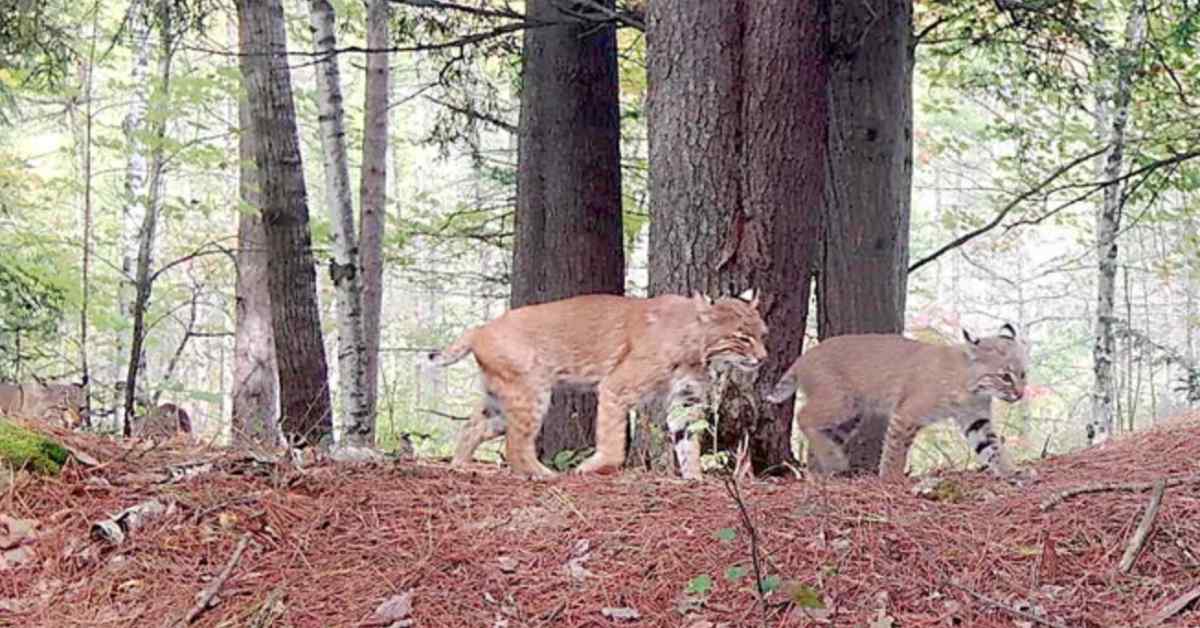
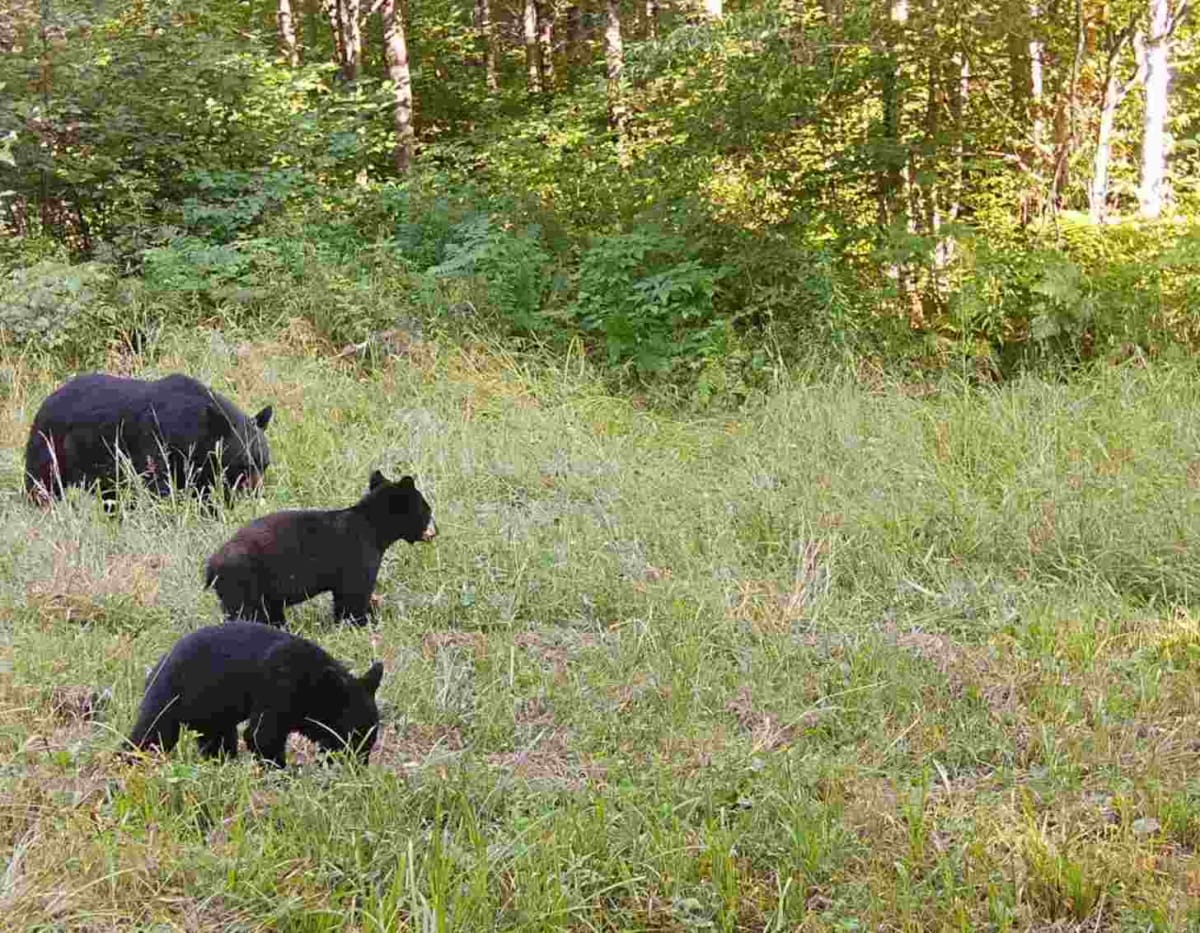
The cameras have captured moments that make you stop and smile. Eight otters running together down a grassy path in Sawyer County during the project's first year. A protective porcupine mother with her tiny porcupette. Black bear cubs tumbling after their mom. An entire bobcat family caught mid-stroll.
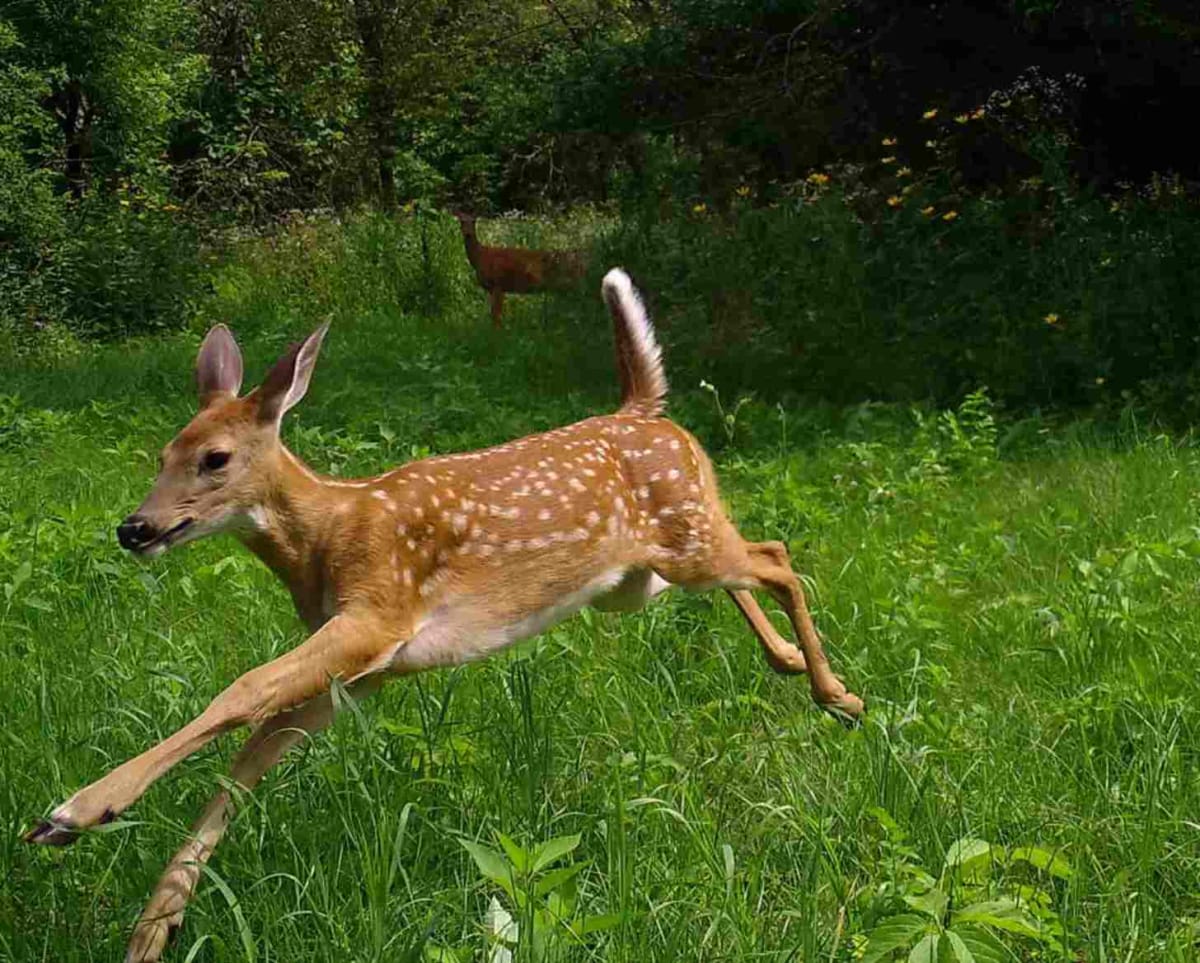
But this isn't just about adorable wildlife selfies. The data collected helps scientists track fawn-to-doe ratios for white-tailed deer, monitor elk and wolf populations, and study furbearer trends for species like beavers, bobcats, and coyotes. The project now supports decision making for 14 different species.
The impact reaches far beyond Wisconsin's borders. Snapshot Wisconsin data has resulted in 21 scientific publications and is used by high school students, university researchers, and curious residents exploring their own questions about nature.
The Ripple Effect
Schools and nature programs across the country use Snapshot Wisconsin in their curricula, introducing kids to wildlife biology and citizen science. One volunteer's excited comment about those traveling otters sparked the first of countless moments where strangers shared "awe and delight around Wisconsin's incredible natural resources," the scientists noted.
The Knowles-Nelson Stewardship Program faced uncertainty this year, with its authorization expiring on June 30 after lawmakers couldn't agree on details. But here's the hopeful part: every gubernatorial candidate from both parties has promised to support some version of the program going forward.
"We absolutely need it," said Senate Democratic Leader Dianne Hesselbein. "Knowles-Nelson has been around for so long, and it's worked so well making sure we have green spaces in the state of Wisconsin to enjoy."
The message is clear: when you protect wild spaces and invite people to participate in their stewardship, amazing things happen.
More Images
Based on reporting by Good Good Good
This story was written by BrightWire based on verified news reports.
Spread the positivity!
Share this good news with someone who needs it