Scientists Find 200 Genes Linked to Heart Valve Disease
Researchers discovered 200 new genes that increase the risk of aortic stenosis, a heart valve condition affecting 9 million people worldwide with no current treatment. The breakthrough could lead to early screening and the first drugs to slow or stop the disease.
Millions of people with the most common heart valve disease may finally have hope for treatments beyond risky surgery.
Scientists at McGill University and Harvard have identified more than 200 genes that make people vulnerable to aortic stenosis, a condition that slowly hardens and narrows a critical heart valve. The discovery analyzed genetic data from 2.8 million people across multiple ancestries, making it the largest study of its kind.
Aortic stenosis affects nearly 3% of Canadians over 65 and more than 9 million people worldwide. The condition forces the heart to work harder to pump blood, gradually weakening it and causing chest pain, dizziness, and shortness of breath.
Right now, doctors can only treat symptoms with medications while the disease continues to worsen. When it becomes severe, patients face open-heart surgery or a catheter procedure to replace the valve. Not all patients can undergo these risky procedures.
The research team created a risk score that predicts who will develop the disease based on their genetic profile. This tool could identify high-risk individuals before symptoms appear, which often happens too late for prevention.
"Our goal is to treat patients as early as possible and provide access to treatments that avoid heart valve replacement," says Dr. George Thanassoulis, senior scientist at McGill's Research Institute.
The Bright Side
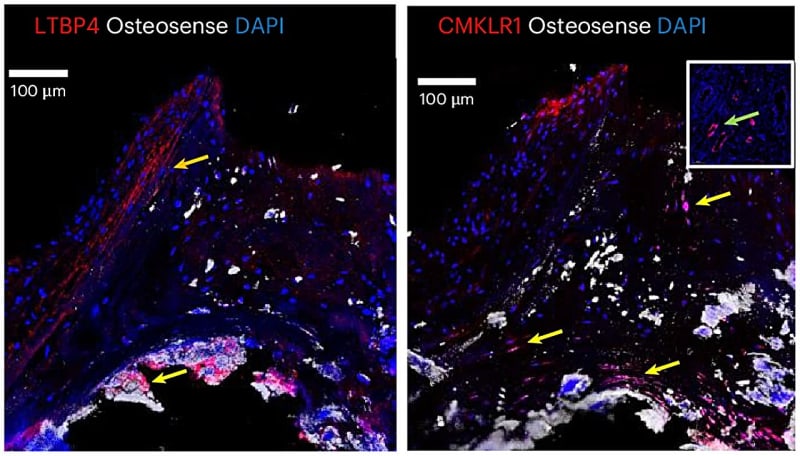
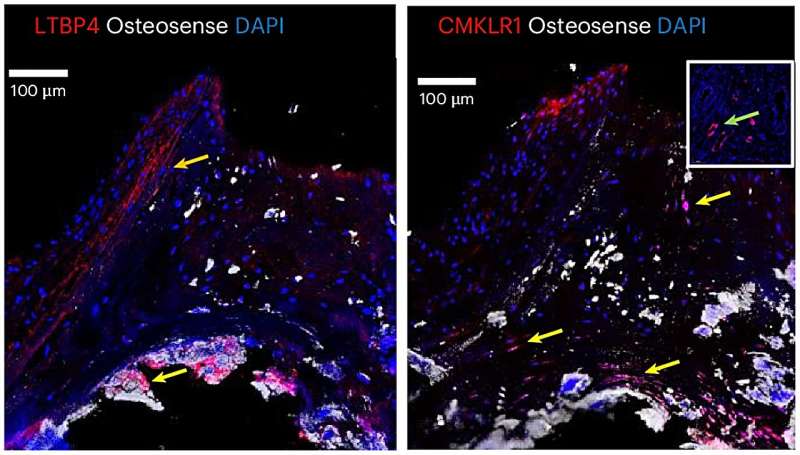
The study revealed specific biological pathways involved in the disease, including inflammation, calcium buildup, and fat metabolism. Two genes, when deactivated, completely blocked calcium from accumulating in valve cells during laboratory tests.
The researchers also found three genes that may explain why the disease develops differently in men and women. This gender-specific insight could lead to more personalized treatment approaches.
The team's risk score could help select participants for clinical trials testing preventive drugs. With clear genetic targets identified, pharmaceutical companies now have roadmaps for developing medications that could slow or halt disease progression before surgery becomes necessary.
Dr. Jamie Engert, co-lead researcher, emphasized the study's strengths: its massive size, inclusion of diverse populations, and separate analysis by gender all improved the ability to detect genetic markers across different groups.
The findings open multiple pathways for testing new drugs in preclinical models, bringing the medical community closer to the first real treatments for a condition that currently has none.
More Images
Based on reporting by Medical Xpress
This story was written by BrightWire based on verified news reports.
Spread the positivity!
Share this good news with someone who needs it