Scientists Find 4 Star Generations in Ancient Cluster
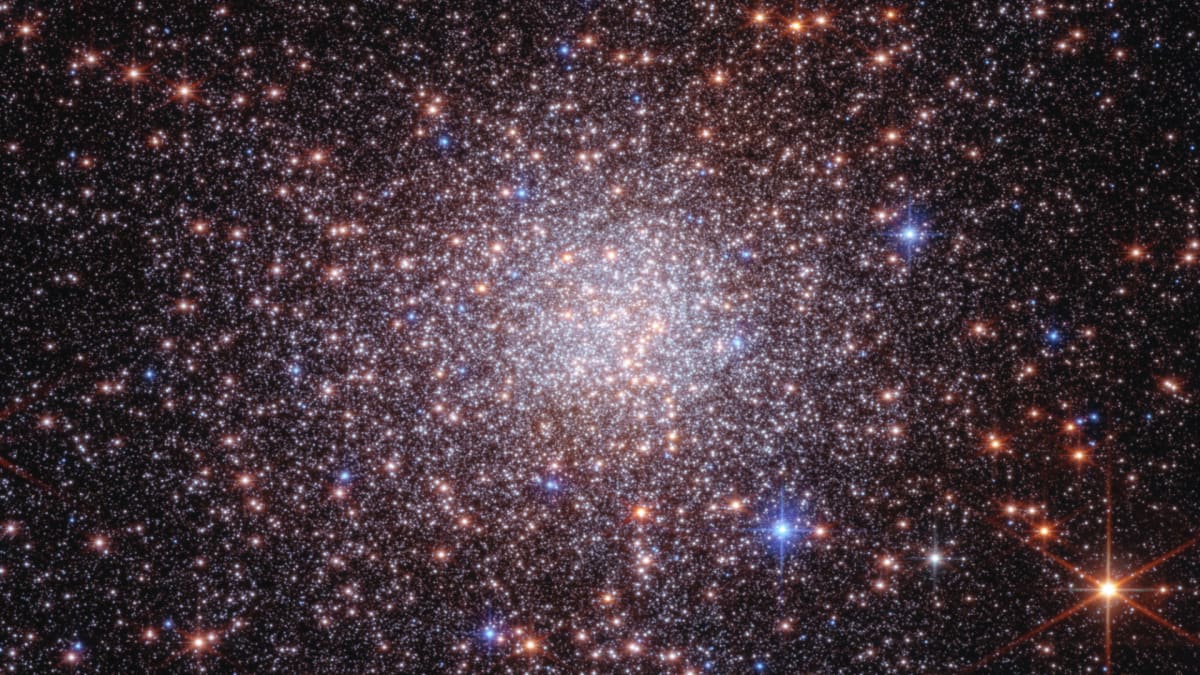
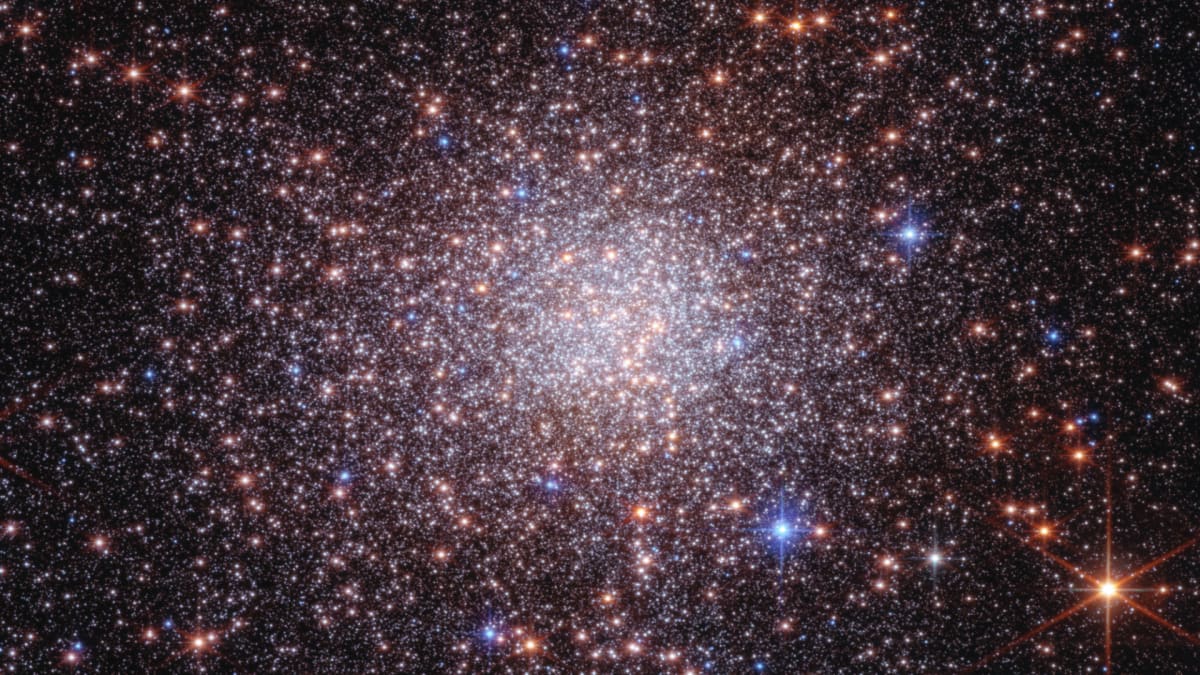
A glowing sphere of stars called Terzan 5 may be a leftover building block from our galaxy's earliest days. Scientists discovered it holds four generations of stars instead of one, making it a cosmic fossil that could unlock secrets about how the Milky Way formed.
A mysterious ball of stars hidden behind cosmic dust is rewriting what we know about how galaxies form.
Terzan 5, a massive cluster of two million suns worth of stars, sat unnoticed until 1968 because thick dust clouds blocked our view. When the Hubble Space Telescope finally got a good look in 2009, astronomers discovered something strange: it had two generations of stars, not one like typical clusters.
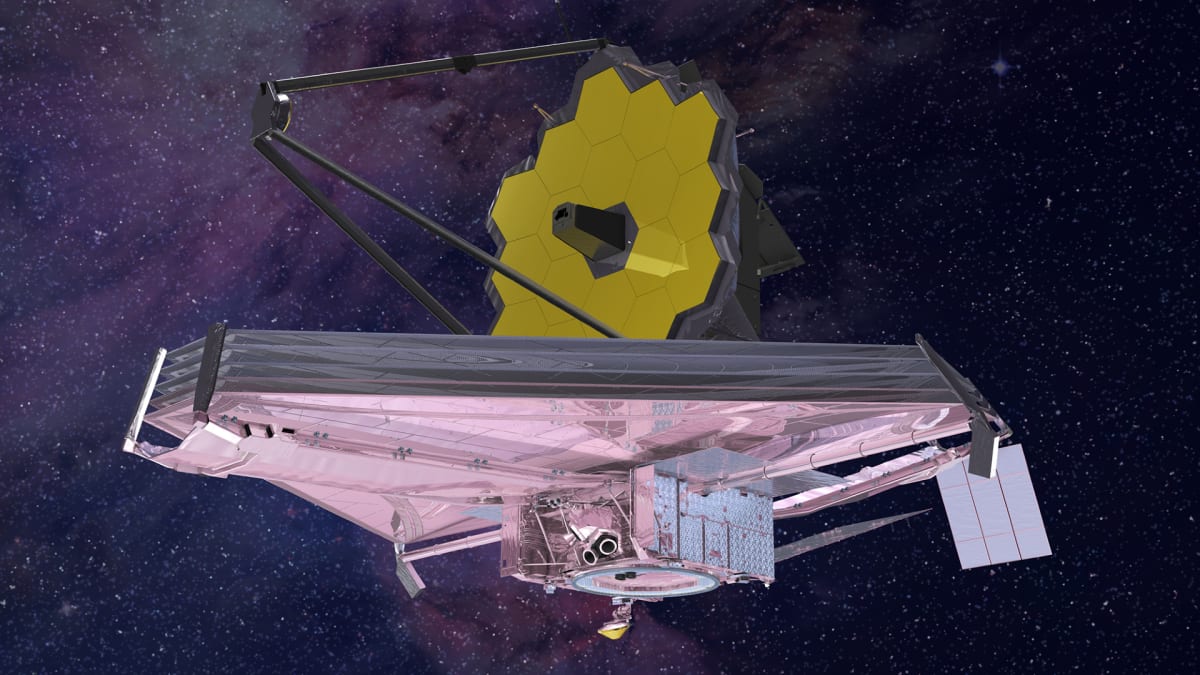
Now the James Webb Space Telescope's powerful infrared vision has pierced through the dust and revealed an even bigger surprise. Terzan 5 actually contains four distinct generations of stars born 12.5, 4.7, 3.8, and 2.5 billion years ago.
"Terzan 5 may provide direct evidence that can help explain how bulges formed in galaxies throughout the universe," said Barbara Lanzoni of the University of Bologna. Her team used JWST's cutting-edge technology to cross-reference earlier Hubble observations and piece together the cluster's history.
Most star clusters form all their stars in one massive burst billions of years ago. Four separate generations is nearly impossible to explain, which is why researchers believe Terzan 5 is something more special: a primordial building block of the Milky Way that somehow escaped being absorbed into our galaxy's central bulge.
Think of it like finding an original Lego brick from a castle you built as a child. While the rest melted together over time, this one piece survived unchanged, preserving a record of how you built it.
The discovery offers astronomers a rare close-up view of galaxy formation. JWST can see similar clumpy galaxies forming across the distant universe, but those are billions of light-years away. Terzan 5 sits just 18,800 light-years from Earth, practically in our cosmic backyard.
Why This Inspires
This discovery transforms how we understand our place in the cosmos. Every atom in our bodies came from stars like those in Terzan 5, and now we're using technology to read our own origin story written in starlight.
The team isn't stopping here. They're examining 40 to 50 more globular clusters to see if they're also ancient fossils waiting to tell their stories.
One cluster called Liller 1 already shows similar properties, suggesting these cosmic time capsules might be more common than we thought. Each one holds clues about how the Milky Way transformed from scattered clumps into the majestic spiral galaxy we call home.
More Images

Based on reporting by Space.com
This story was written by BrightWire based on verified news reports.
Spread the positivity!
Share this good news with someone who needs it

%2Fhttps%3A%2F%2Ftf-cmsv2-smithsonianmag-media.s3.amazonaws.com%2Ffiler_public%2F92%2F1d%2F921dc374-286e-4958-af39-60fa2c33e07e%2Fjournalpone0349669g004.png)