Scientists Find Bacterial Kill Switch to Fight Superbugs
Viruses that attack bacteria have revealed a promising new way to defeat drug-resistant superbugs. By studying how these viruses shut down a key bacterial protein, scientists may have found the blueprint for a new generation of lifesaving antibiotics.
Scientists have discovered how nature's tiniest assassins could help us win the war against antibiotic-resistant bacteria that kill tens of thousands of Americans each year.
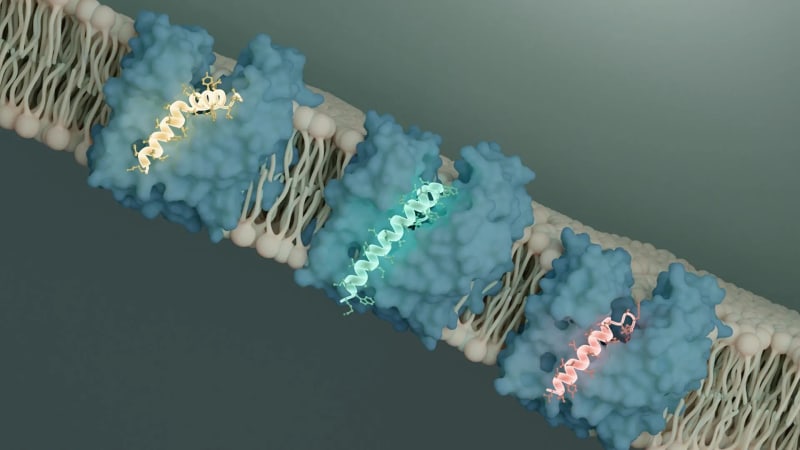
Researchers at the California Institute of Technology found that viruses called bacteriophages shut down MurJ, a protein essential for building bacterial cell walls. Without this protein, bacteria simply cannot survive.
The breakthrough came when graduate student Yancheng Evelyn Li used powerful imaging technology to see exactly how these viral proteins work. She discovered that different viruses, which evolved completely independently, all figured out the same trick: they lock MurJ in a position where it cannot function.
"Evolution is powerful, and in bacteria, resistance to antibiotics develops quickly," explains Professor Bil Clemons, who led the research team. "We now deal with bacteria that are resistant to all the medicines that we have."
The findings, published in Nature in February 2026, point to MurJ as a prime target for new antibiotics. The protein builds peptidoglycan, the tough material that forms bacterial cell walls like microscopic chainmail.
What makes this discovery especially exciting is that peptidoglycan exists only in bacteria, not in human cells. That means drugs targeting MurJ would attack infections without harming our own bodies.
Penicillin, discovered by Alexander Fleming decades ago, already disrupts this cell wall building process at a later stage. But bacteria have increasingly evolved resistance to penicillin and related drugs like amoxicillin.
Li's imaging revealed something crucial: the viral proteins catch MurJ in its outward-facing position, where it is exposed to the environment outside the cell. This makes it potentially easier for future drugs to reach and disable.
The fact that multiple unrelated viruses independently evolved to target MurJ the exact same way tells scientists they have found a genuine weak spot. Nature has essentially handed them a blueprint for drug design.
Why This Inspires
This discovery represents more than just clever science. It offers genuine hope in a growing public health crisis.
Drug-resistant bacterial infections are rising rapidly, and doctors increasingly face patients they cannot treat with existing medicines. The discovery of entirely new antibiotic targets like MurJ could save countless lives in coming years.
The research also shows the power of looking to nature for solutions. Bacteriophages have been fighting bacteria for billions of years, perfecting strategies that scientists are only now beginning to understand and harness.
While no MurJ-targeting drugs exist yet, researchers have already identified small molecules that can inhibit similar proteins. The path from discovery to drugstore will take time, but this breakthrough provides a clear direction forward.
In the race between bacterial evolution and human innovation, scientists just gained crucial ground.
Based on reporting by Science Daily
This story was written by BrightWire based on verified news reports.
Spread the positivity!
Share this good news with someone who needs it