Scientists Find Dagger-Toothed Sea Monster in Morocco
A newly discovered 66-million-year-old marine predator with razor-sharp teeth is revealing an ancient ocean ecosystem unlike anything we see today. The fossil from Morocco shows seas once teemed with diverse giant hunters, each specialized for different prey.
Scientists have unearthed a fearsome ocean predator that ruled the seas just before the asteroid that wiped out the dinosaurs. The discovery is painting a stunning picture of ancient oceans far richer in top predators than anything swimming today.
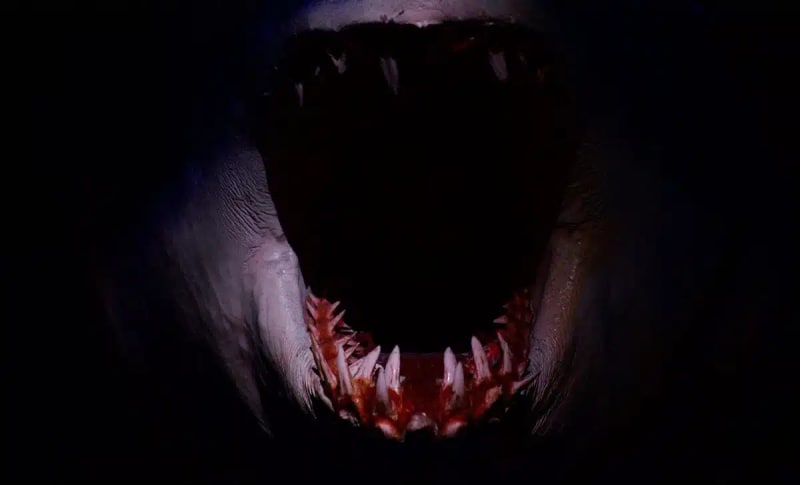
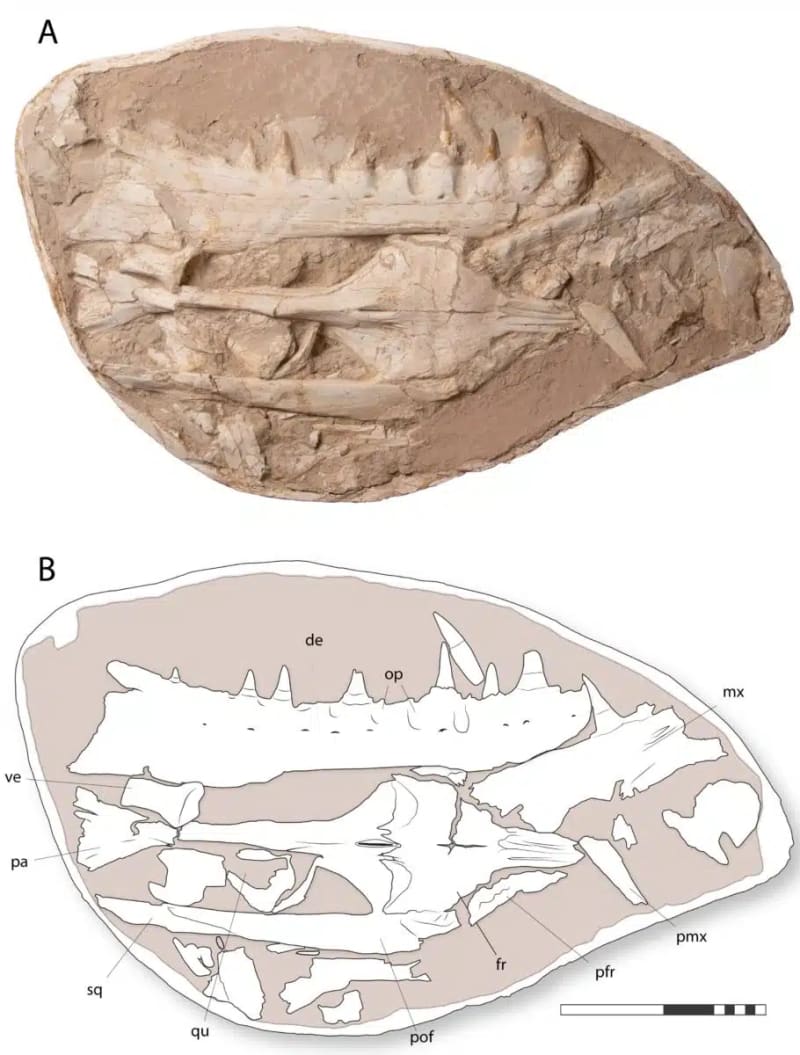
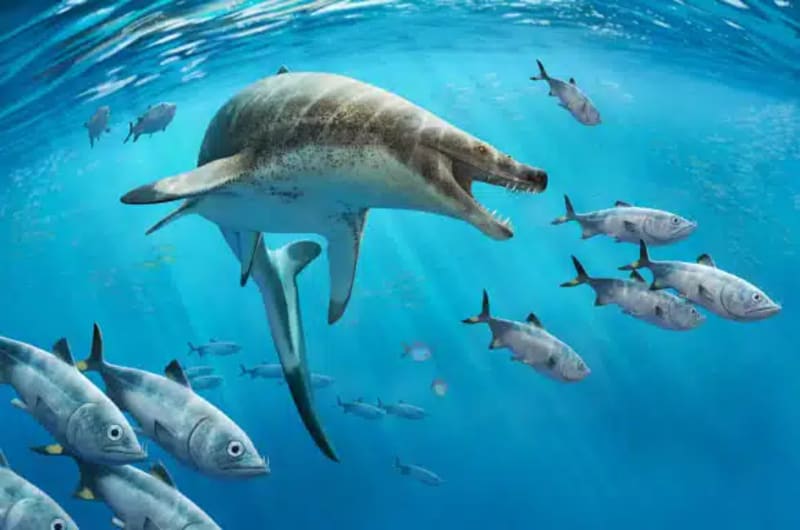
Meet Khinjaria acuta, a marine lizard with dagger-like teeth that hunted off the coast of what is now Morocco 66 million years ago. Workers at a phosphate mine southeast of Casablanca uncovered the fossil, which includes a well-preserved skull and skeleton parts.
The creature belonged to the mosasaur family, massive marine reptiles related to modern Komodo dragons and snakes. While T. rex and Triceratops dominated the land, mosasaurs ruled the waves during the Late Cretaceous period.
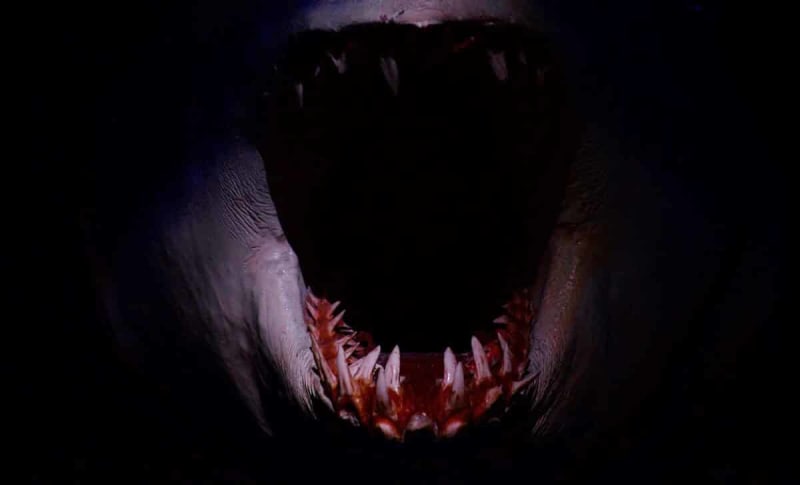
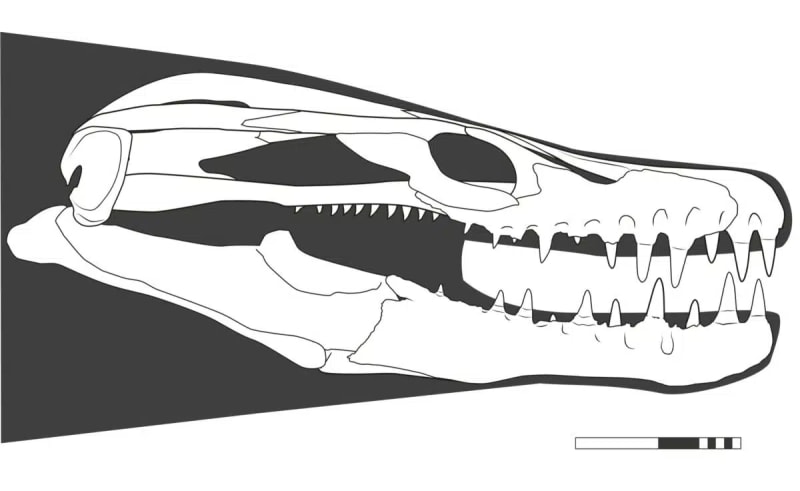
What made Khinjaria special was its weaponry. The predator had a short, powerful snout packed with long blade-shaped teeth perfectly designed for piercing and gripping prey, according to research teams from the University of Bath, Southern Methodist University, and several international museums.
The skull's unique shape tells scientists this wasn't just another mosasaur. The elongated back of its skull housed powerful jaw muscles, suggesting a crushing bite force that made it a formidable hunter.
The Ripple Effect
The real revelation isn't just one fierce predator. It's what this discovery tells us about how ocean ecosystems have completely transformed over 66 million years.
Morocco's Late Cretaceous seas hosted multiple predator species, each larger than a modern great white shark. Dr. Nick Longrich of the University of Bath explains that each had different tooth shapes for distinct hunting strategies: some for piercing, others for cutting, tearing, or crushing.
"This incredible diversity of top predators in the Late Cretaceous is unusual, and we don't see that in modern marine communities," Longrich notes. Today's oceans support relatively few apex predators like orcas, white sharks, and leopard seals.
The secret to this ancient abundance was location. The region was once a shallow, warm sea fed by upwellings, currents that brought cold, nutrient-rich waters to the surface, creating an explosion of sea life that supported numerous top predators.
Morocco's phosphate deposits have become a treasure trove for paleontologists. The same area has yielded other unique mosasaurs including Thalassotitan, the saw-toothed Xenodens, and the star-toothed Stelladens. No other location has provided so many species from this final chapter of the dinosaur age.
The discovery reminds us that Earth's ecosystems are constantly evolving, and understanding past biodiversity helps scientists appreciate how life adapts and thrives across millions of years.
More Images
Based on reporting by Google News - Scientists Discover
This story was written by BrightWire based on verified news reports.
Spread the positivity!
Share this good news with someone who needs it