Scientists Find First Complex Cell That Makes Its Own Nitrogen
After 30 years of searching, researchers discovered something biology said was impossible: a complex cell that can pull nitrogen from air. This breakthrough could transform how we grow food and understand life itself.
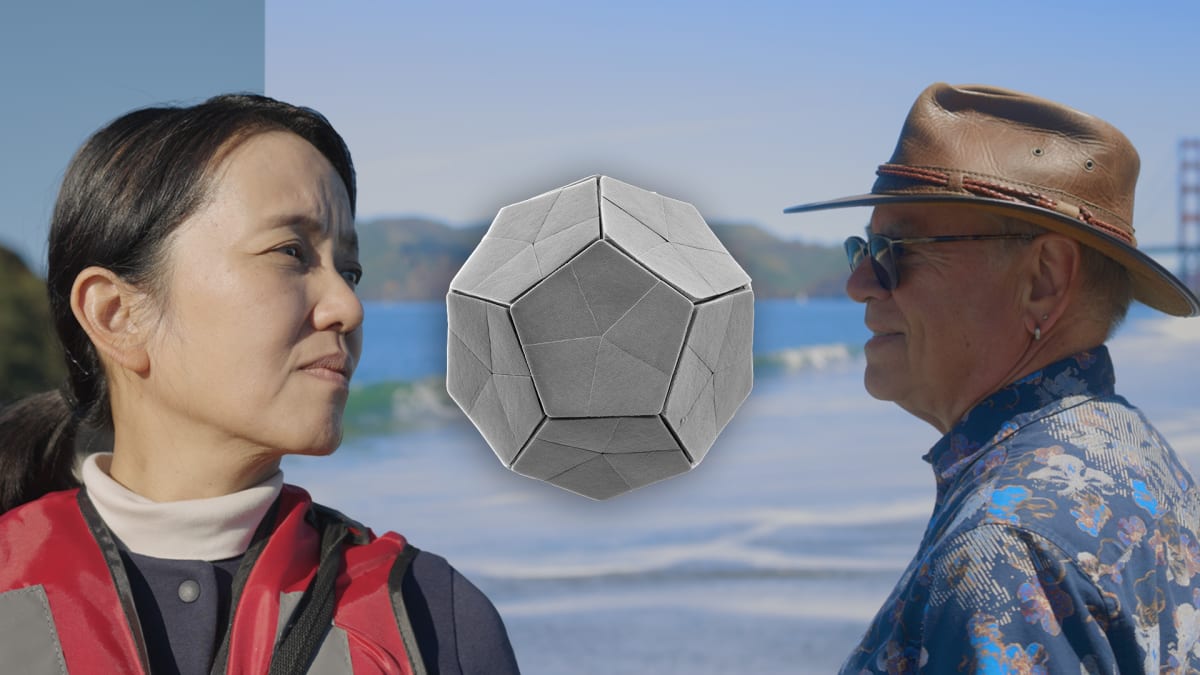
For three decades, oceanographer Jon Zehr chased a ghost in the ocean that would rewrite the rules of biology.
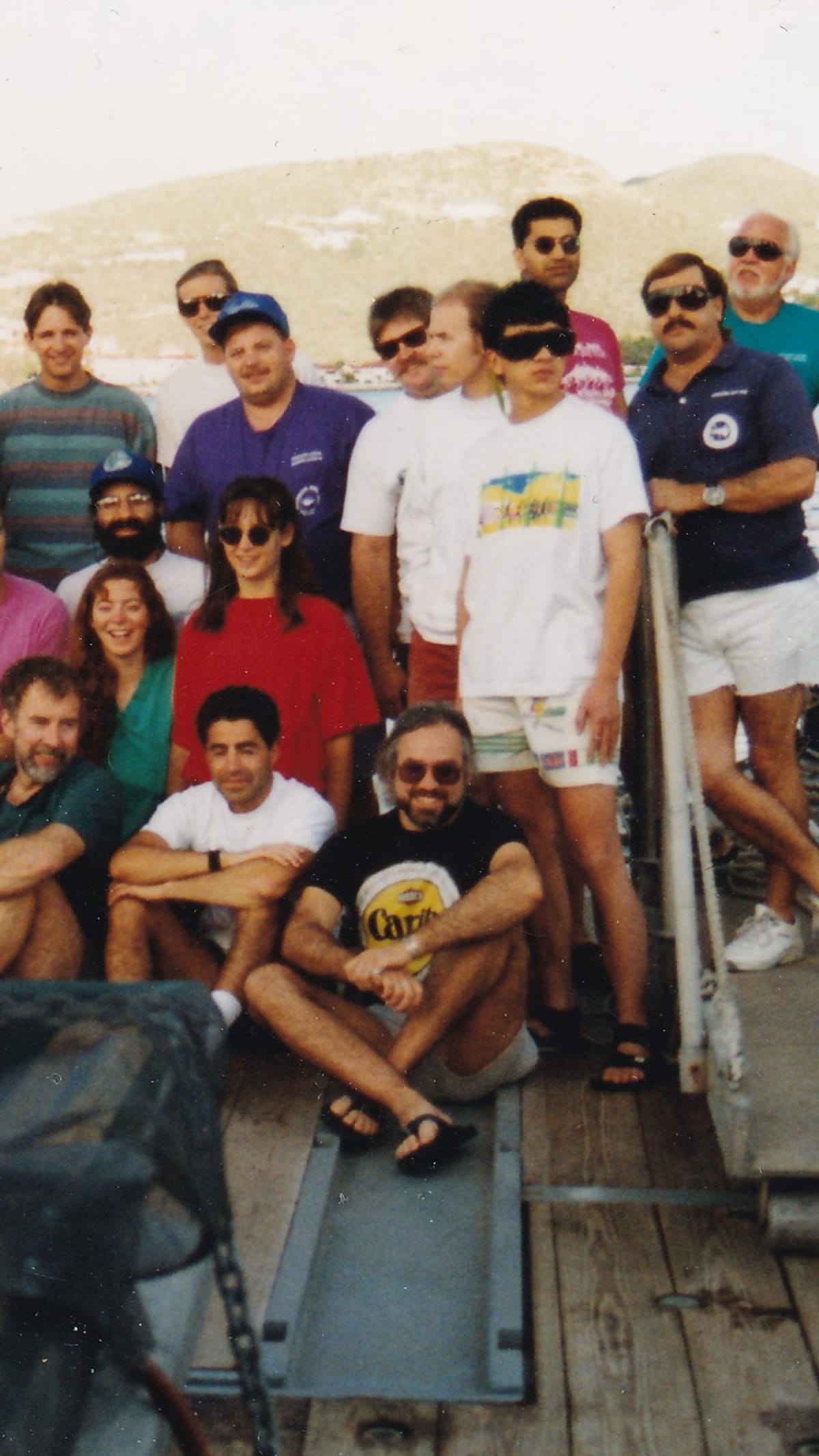
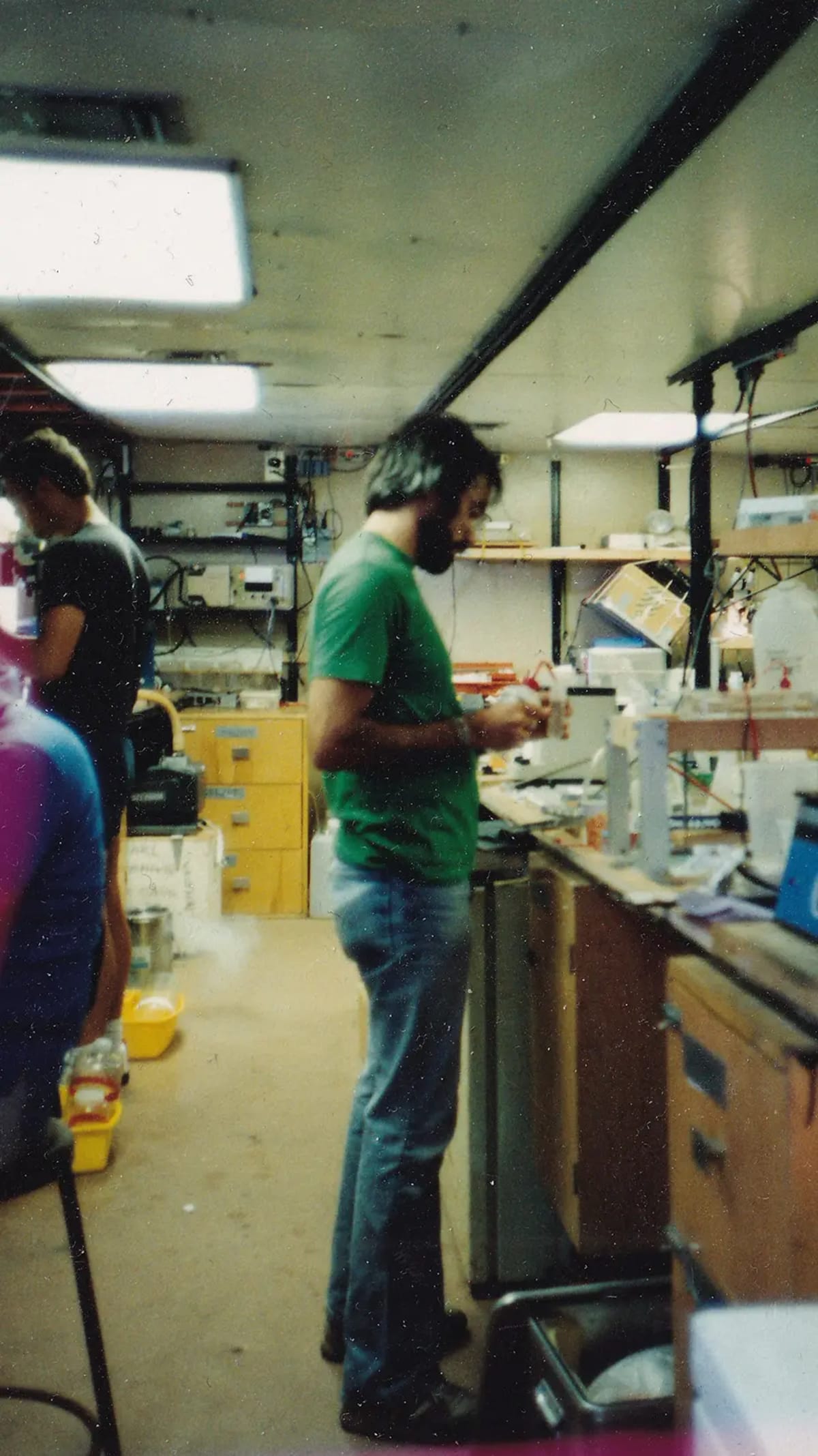
In the 1990s, Zehr stood on a research boat testing seawater for nitrogen-fixing bacteria, the microscopic organisms that pull nitrogen from air and make it usable for all life on Earth. Using cutting-edge DNA testing, he found genetic traces of a completely new species everywhere he looked.
But when he peered through his microscope, nothing was there. The organism existed in every water sample from Hawaii to the Arctic, yet remained invisible.
For years, this mystery deepened. The bacteria's DNA showed it was missing 80 percent of its genes, including ones it should need to survive. It looked less like a complete organism than a biological impossibility.
Then Zehr noticed something: Every water sample with the mystery bacteria also contained one specific type of algae. What if the bacteria wasn't hiding, but living inside the algae?
Halfway across the world, Japanese scientist Kyoko Hagino had spent decades studying that exact algae species, told by colleagues her work would never matter. She had no idea she was holding the other half of Zehr's puzzle.
When the two scientists finally connected their research, they discovered something that broke a fundamental rule of life. The bacteria had become so integrated into the algae that it wasn't really bacteria anymore. It had evolved into an organelle, a permanent part of the algae cell itself.
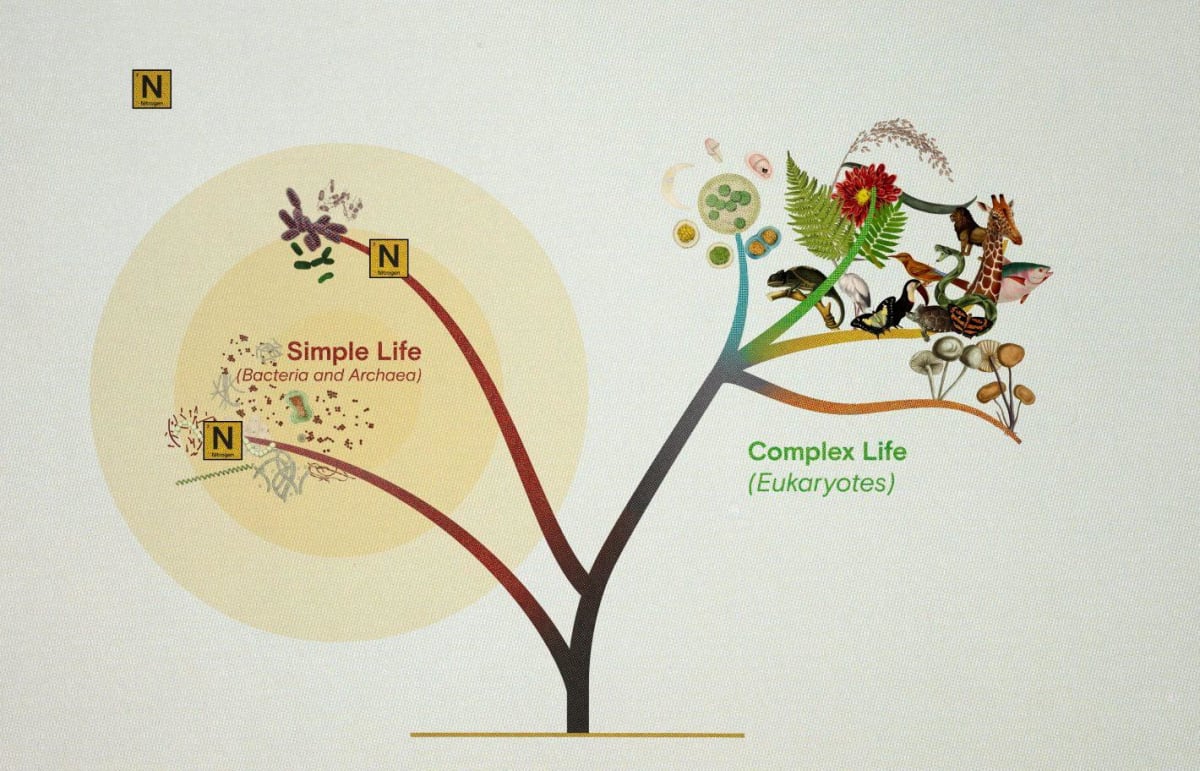
This matters because every complex organism on Earth depends on simple bacteria to access nitrogen, a building block of DNA and proteins. Despite being surrounded by nitrogen in the air, plants and animals can't use it without help from microbes.
That limitation shaped human history. Countries once fought wars over bird droppings rich in nitrogen. When scientists invented synthetic fertilizer in the early 1900s, it saved billions from starvation but created massive ocean dead zones from pollution and uses enormous amounts of energy to produce.
Why This Inspires
Zehr's discovery represents only the fourth time in Earth's history that one organism has absorbed another and made it a permanent part of itself. The first three events created plant cells, animal cells, and photosynthesis.
This algae cell can now fix its own nitrogen, something no complex organism has done in billions of years. It opens doors scientists thought were locked forever, including the possibility of crops that fertilize themselves without chemicals.
Sometimes the most important breakthroughs come from scientists who refuse to stop looking, even when the world tells them their search is pointless.
More Images

Based on reporting by Grist
This story was written by BrightWire based on verified news reports.
Spread the positivity!
Share this good news with someone who needs it