Scientists Find Fix for Madagascar's Guava Problem
Researchers discovered that biochar, a charcoal made from coconut husks, can help native forests recover from invasive strawberry guava trees that lemurs accidentally spread. The breakthrough could save Madagascar's endangered forests and the animals that depend on them.
Scientists in Madagascar just solved a puzzle that's been threatening one of Earth's most unique forests for decades.
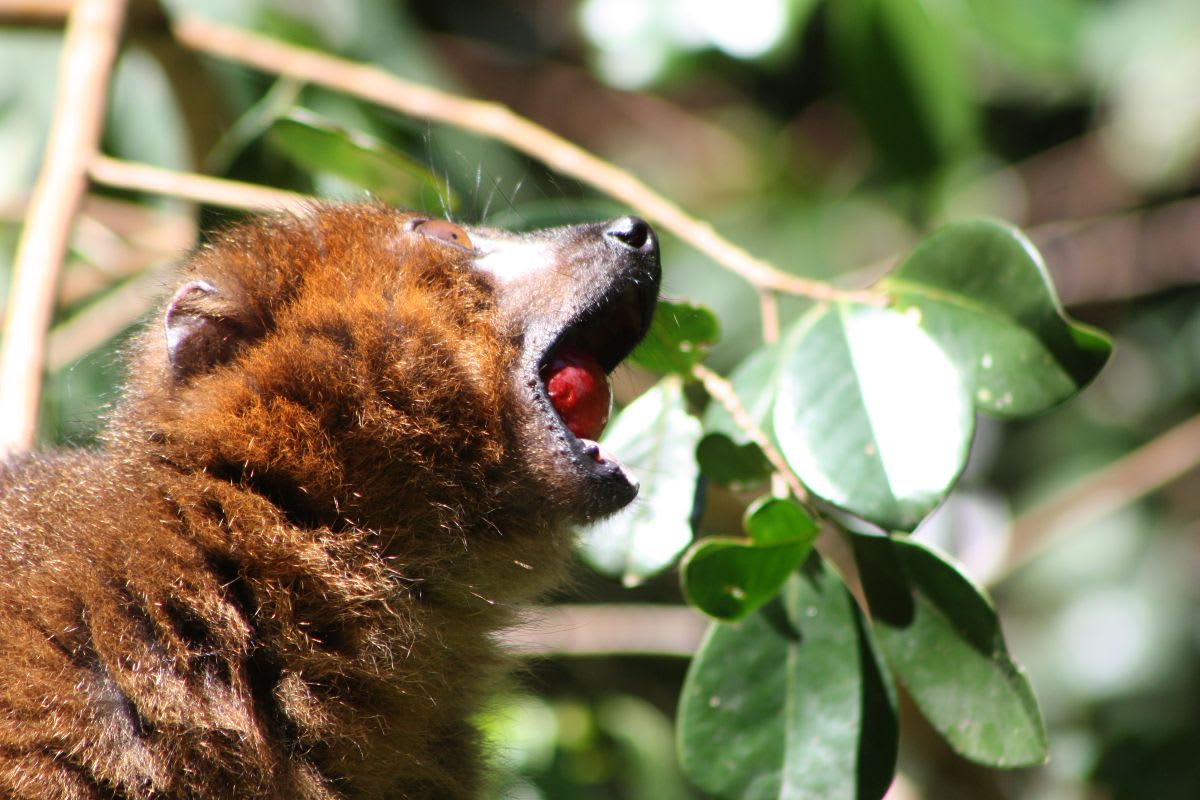
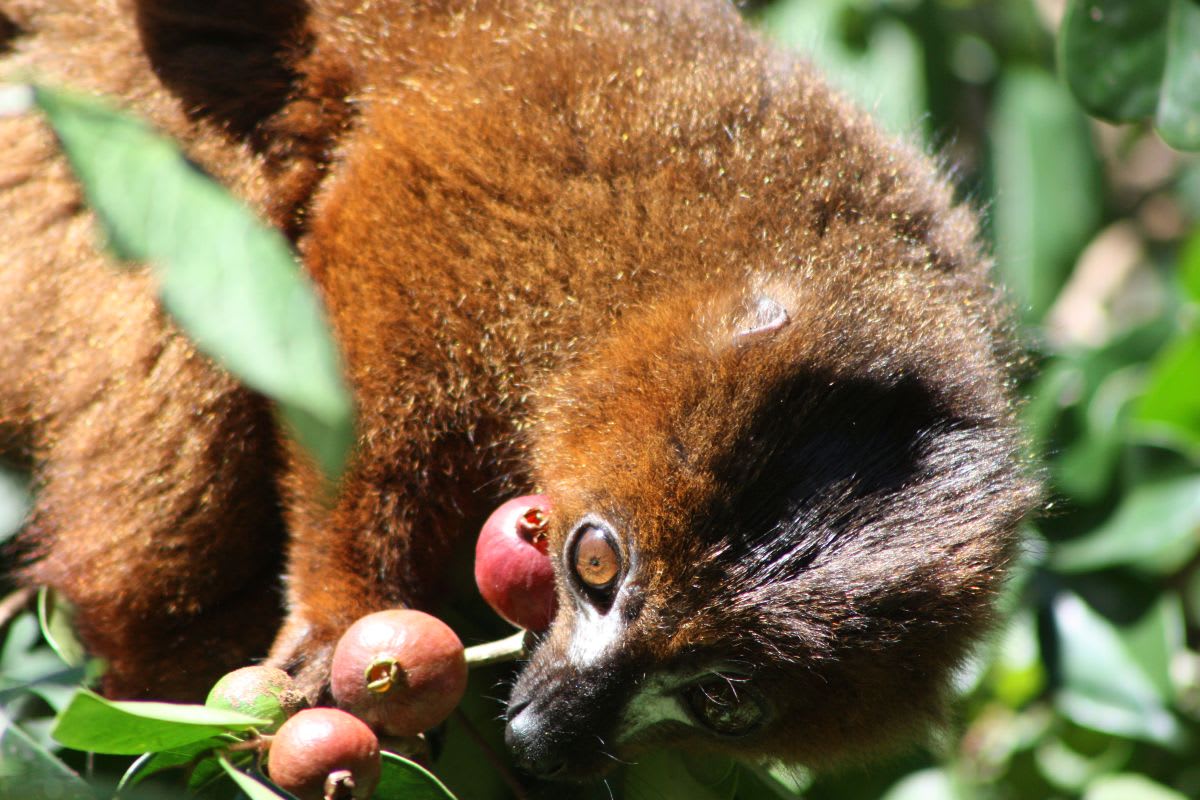
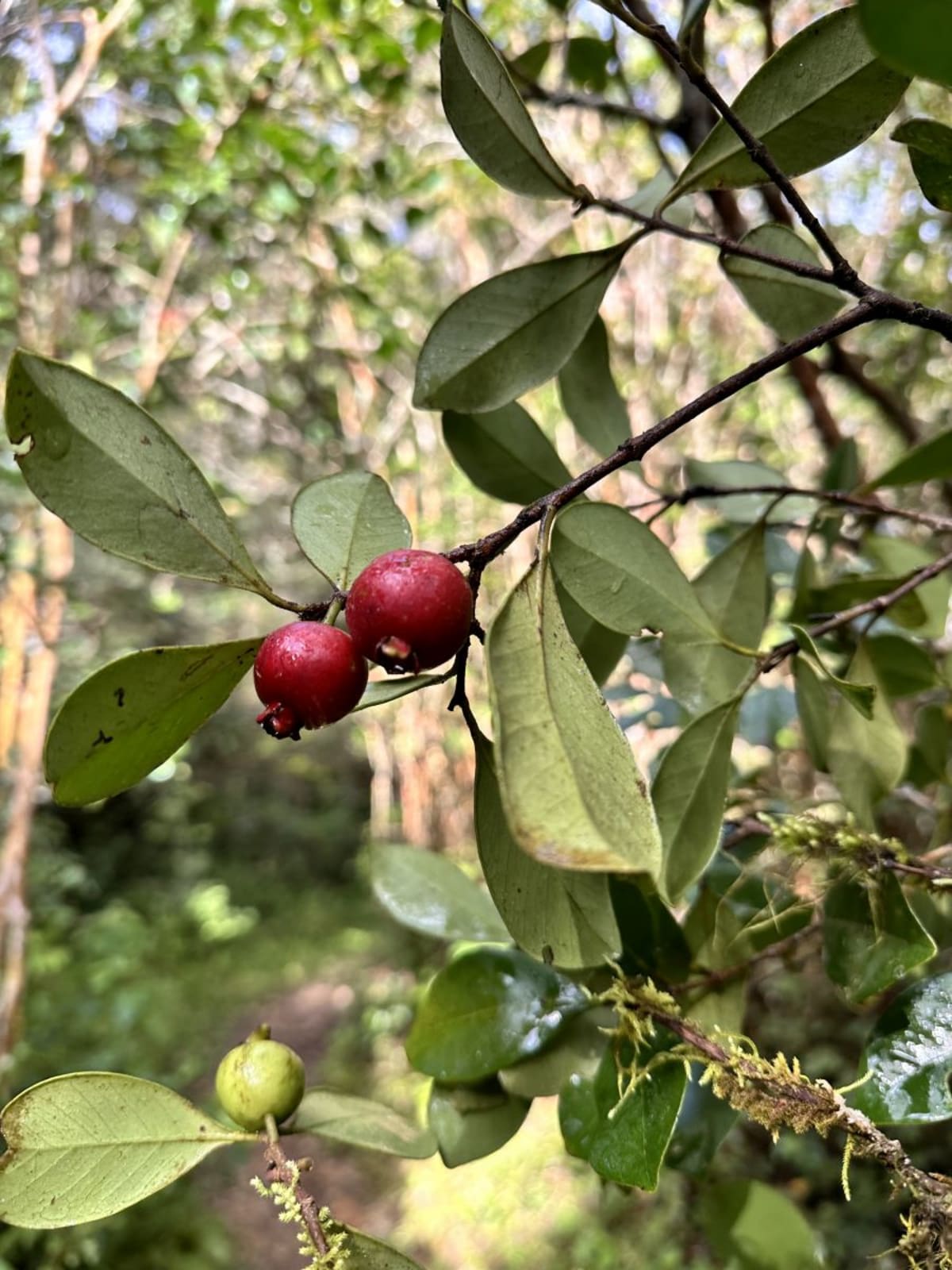
The island's beloved lemurs have been accidentally working against their own survival. They love eating sweet strawberry guava fruits from invasive Brazilian trees, then spread the seeds through their droppings across the forest. These guava trees quickly take over damaged areas, forming thick patches that choke out native plants.
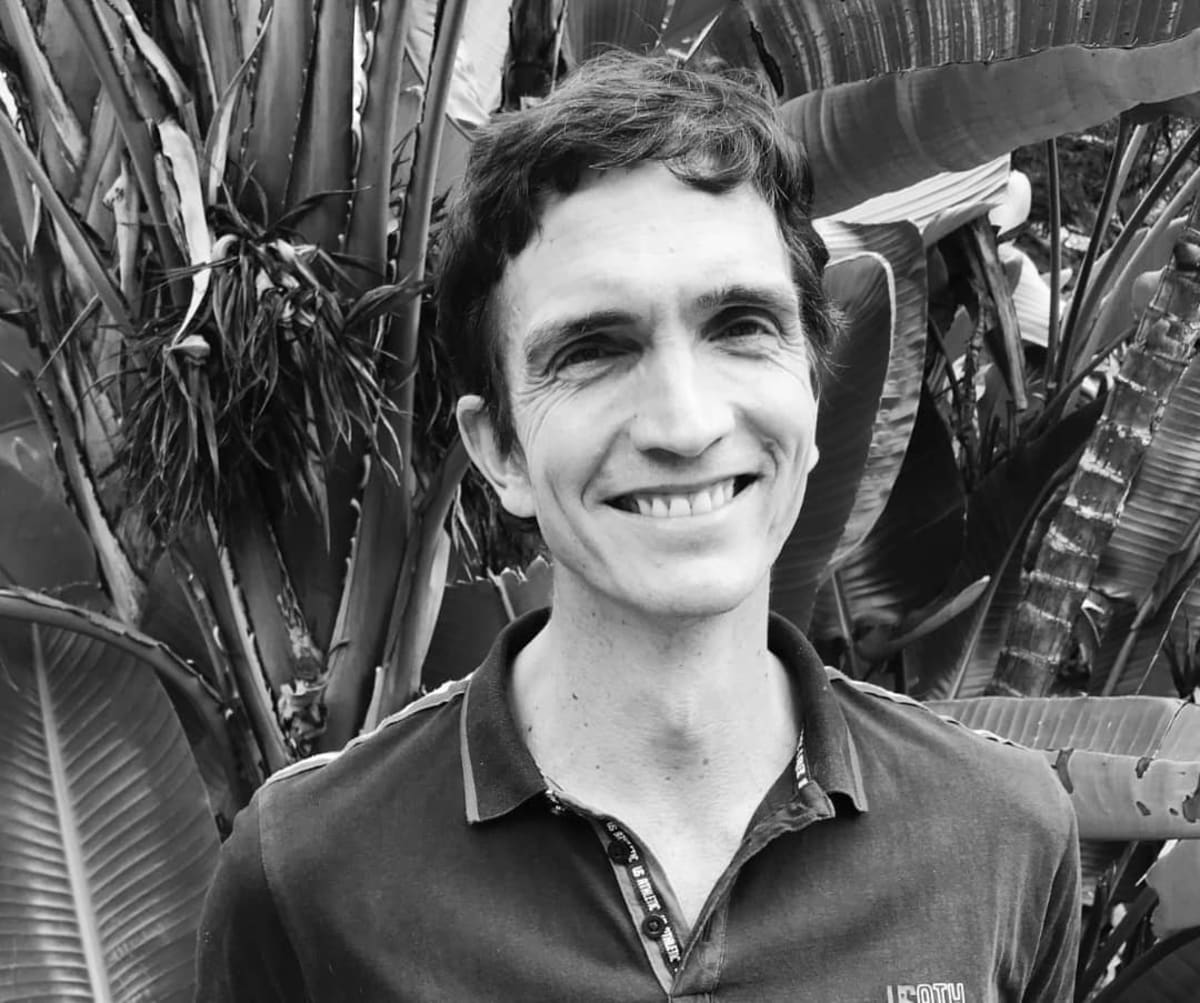
Amy Dunham, a biologist at Rice University who has studied Madagascar's forests for over 30 years, captured the problem perfectly on video. An endangered Milne-Edwards' sifaka lemur sat in a dense guava thicket, munching on ruby-red fruit. The scene shows how an invasive species can help endangered animals in the short term while destroying their habitat long term.
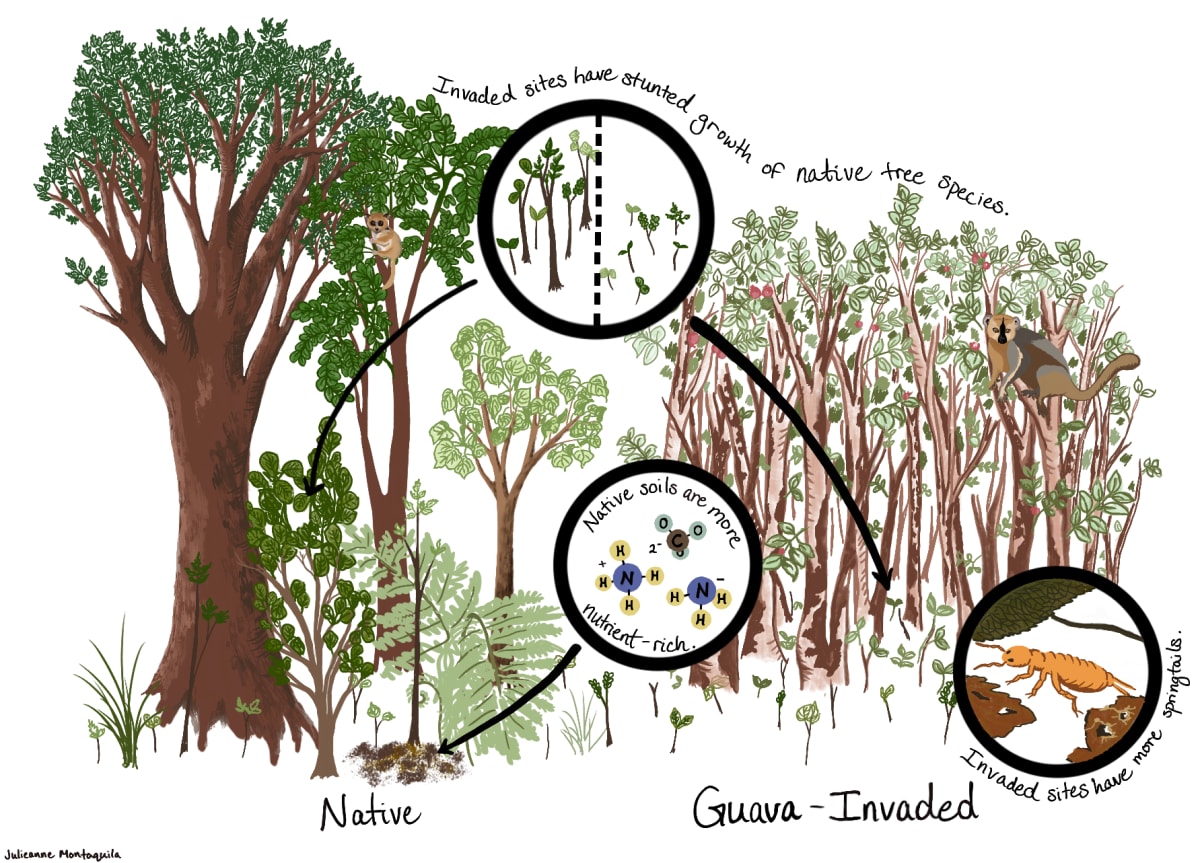
The guava invasion creates serious problems beyond just crowding out native trees. The thickets drain essential nutrients from soil and wipe out insect populations that birds, lemurs, and hedgehog-like tenrecs need for protein. They also prevent mistletoes from growing, which matters more than you might think.
Researchers found that 16 mistletoe species in healthy parts of Ranomafana National Park support 30 bird species and seven lemur species. These plants provide crucial food during scarce times, acting as nature's backup pantry. But mistletoe seeds can't attach to guava trees because the bark constantly sheds.
The Bright Side
The good news arrived from Mauritius, an island east of Madagascar facing the same guava problem. Ecologist Lutchmee Sujeeun discovered in 2017 that spreading biochar made from coconut husks in cleared guava areas helps native plants bounce back. The charcoal neutralizes toxic chemicals the guavas leave behind in soil.
This solution offers real hope for forest restoration across Madagascar. The island loses nearly 500,000 acres of forest annually, leaving vast areas vulnerable to guava takeover. Even when workers remove guava roots, the toxic residue remains. Biochar breaks that cycle.
Dunham explains the stakes clearly: if guavas dominate forest recovery efforts, Madagascar risks rebuilding forests that look green but lack the complex ecosystem native animals need to thrive. The mistletoes, insects, and plant diversity must return alongside the trees.
The breakthrough comes at a critical time, as Madagascar races to restore habitats for its endangered lemurs and protect what researchers call "one of the hottest hotspots for plant diversity" on Earth.
With biochar showing promise and awareness growing about the guava threat, conservationists now have a practical tool to help Madagascar's forests recover their full richness.
More Images
Based on reporting by Mongabay
This story was written by BrightWire based on verified news reports.
Spread the positivity!
Share this good news with someone who needs it