Scientists Find Garnet Inside Mars Meteorite for First Time
A tiny speck of garnet discovered inside a Mars meteorite could rewrite what we know about the red planet's geological history. The mineral has never been found in a Martian sample before.
Scientists cracking open a meteorite from Mars just discovered something that shouldn't exist there.
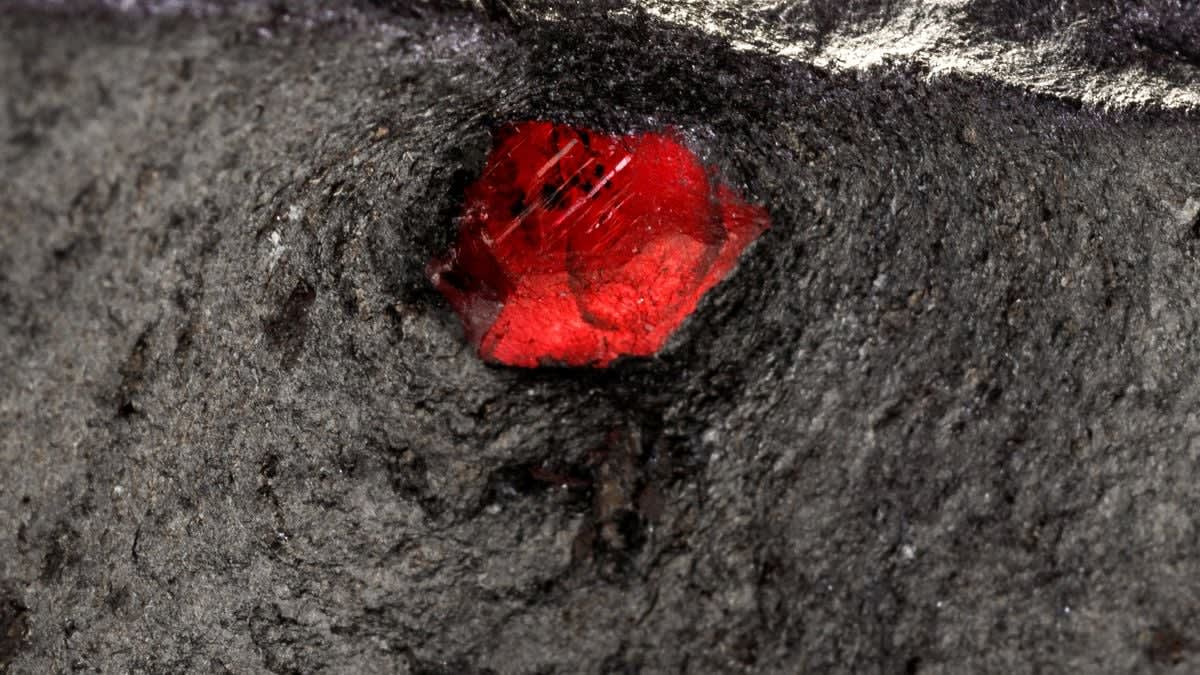
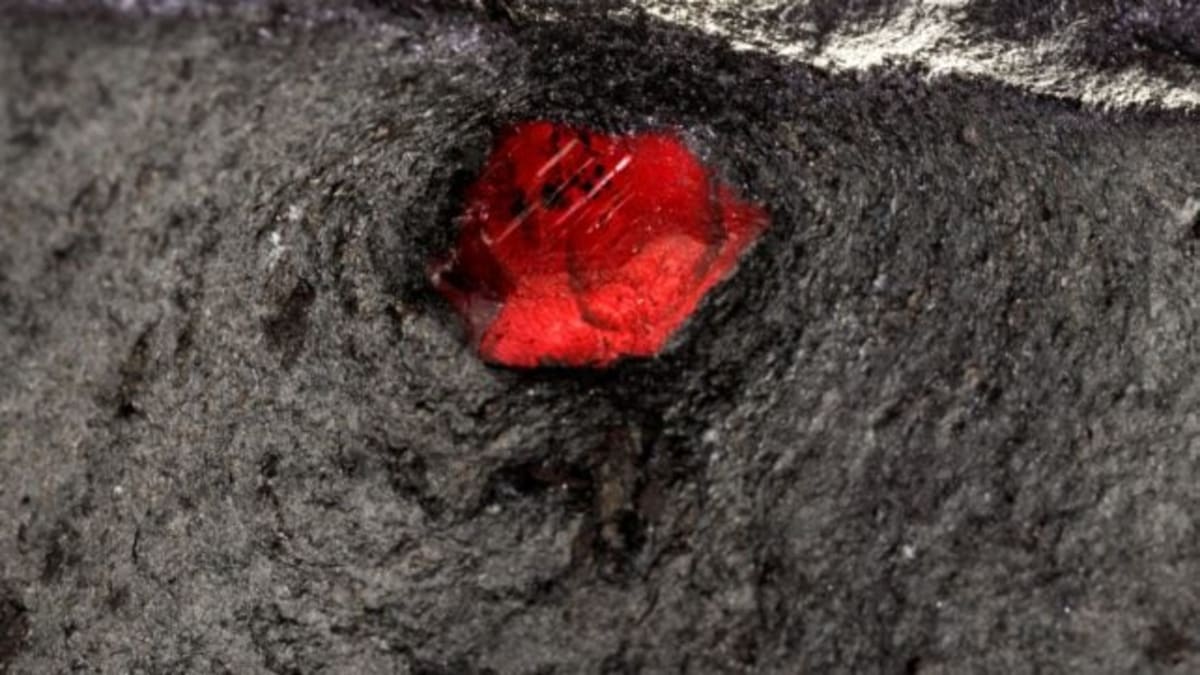
Hidden inside a rock fragment smaller than a poppy seed, researchers found grains of garnet, a mineral never before seen in any Martian sample. The discovery raises thrilling questions about Mars' hidden geological past.
On Earth, garnet forms under intense heat, pressure, or chemical changes. Scientists have never identified the right conditions for garnet formation on Mars. That makes this find particularly exciting.
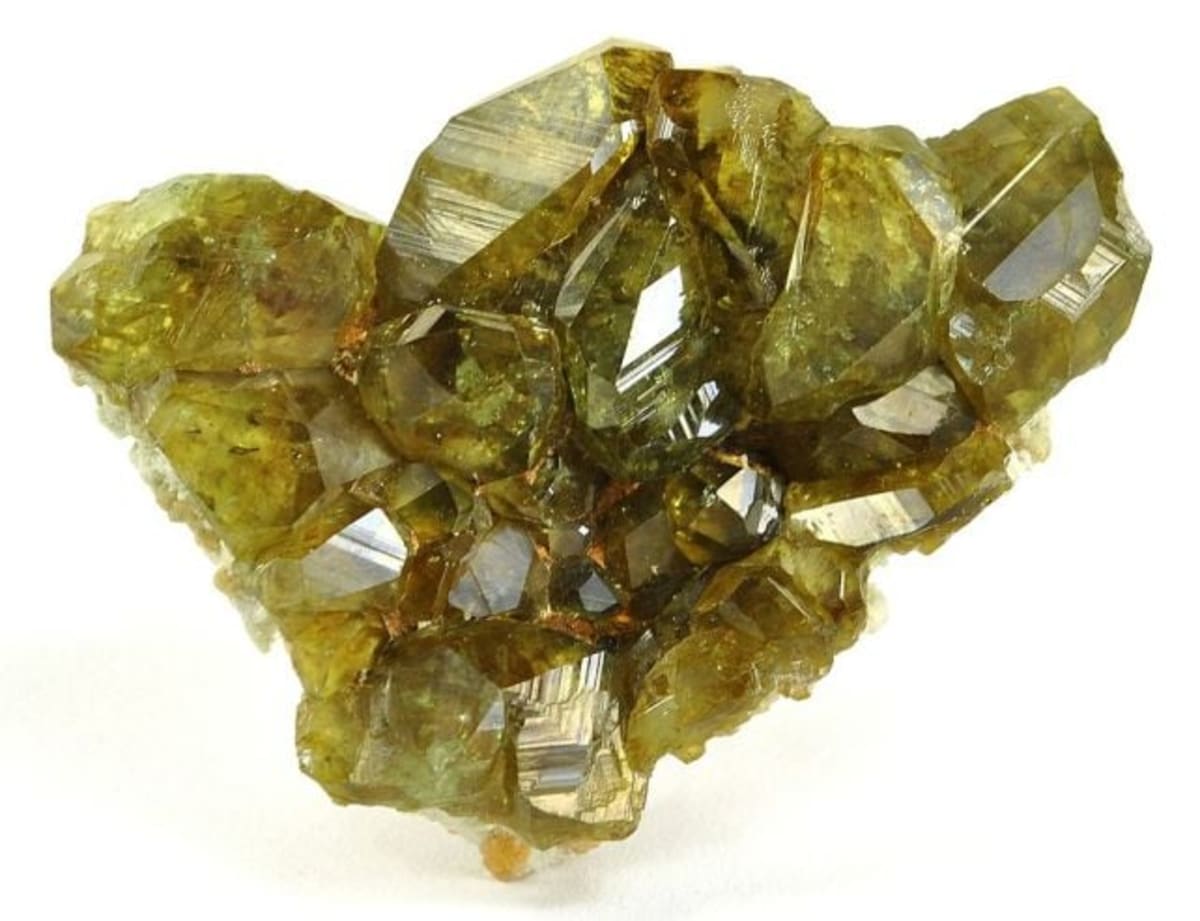
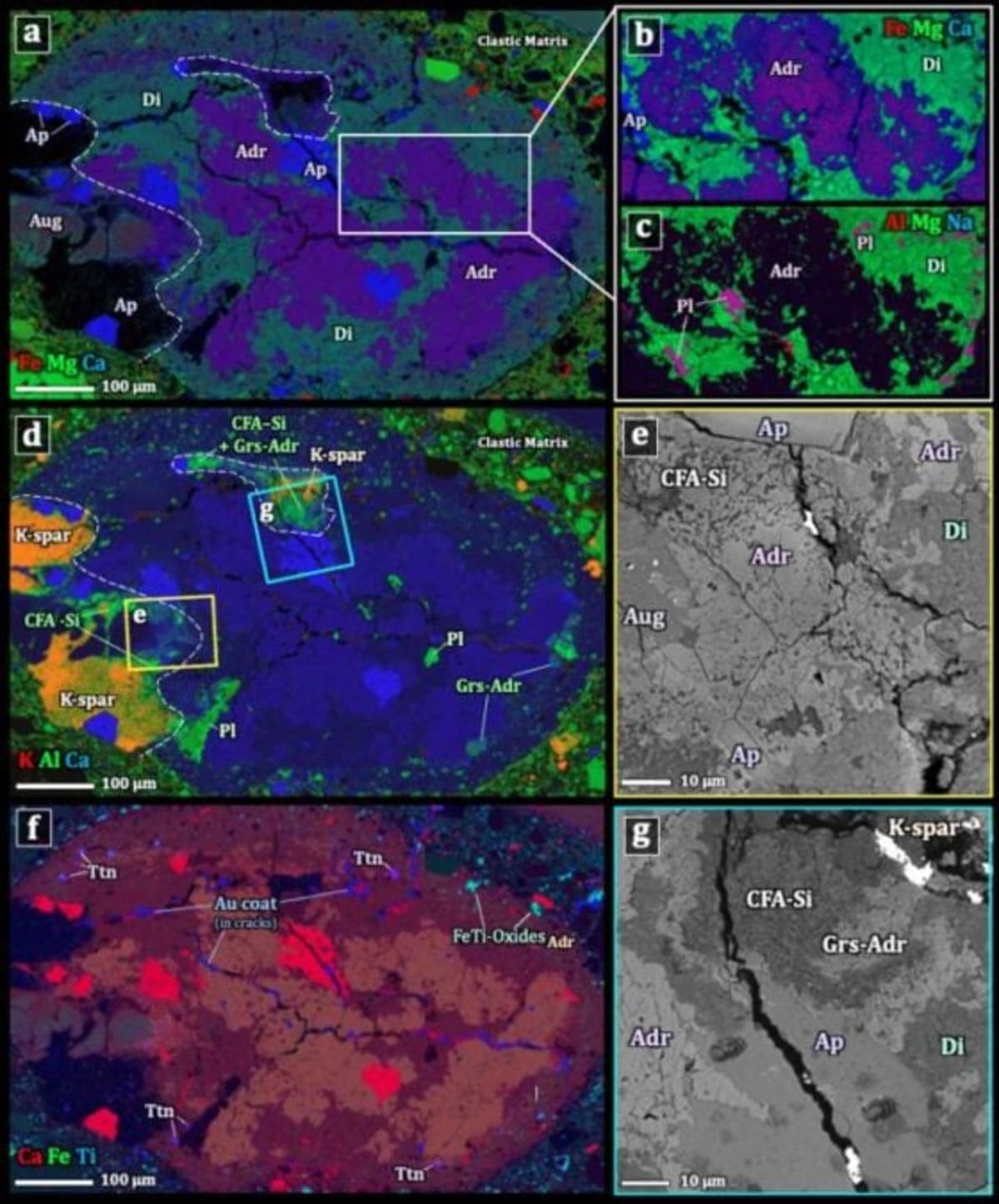
Planetary geologist Tanya Kizovski of Brock University in Canada nearly missed the discovery entirely. The Martian garnet is an iron-rich form called andradite, which has a yellowish-green color that blends in with other common meteorite minerals.
"This little section of the meteorite looked really interesting, and the chemistry was a bit odd," Kizovski says. "At first, we assumed it was a mineral called pyroxene, which is very common, but then we decided to take a second look."
That second look changed everything. Follow-up testing confirmed the mineral was indeed garnet, locked inside a meteorite called NWA 8171 stored at the Royal Ontario Museum.
The discovery opens fascinating possibilities about Mars' past. The garnet could have formed from an unusual type of magma not yet found on Mars, or through a metamorphic process involving extreme conditions.
"On Mars, the heat and pressure needed to produce garnet through metamorphism could have come from the impact of a meteorite hitting the surface of Mars, magma rising up into the Martian crust, or both," Kizovski explains.
Why This Inspires
Garnets are exceptional storytellers of geological history. They preserve snapshots of the exact temperature and pressure conditions under which they formed, and can be dated to reveal when those conditions existed.
This tiny mineral could unlock secrets about ancient Mars that have remained hidden for billions of years. Scientists can now use it to reconstruct environments and processes that shaped our planetary neighbor.
The next step involves analyzing isotope ratios in the mineral. If they match other Mars minerals, it will confirm the garnet formed there and reveal entirely new chapters of Martian geological history.
"The findings add a striking new dimension to our understanding of the geology of Mars," says planetary scientist James Darling of the University of Portsmouth, "and open an exciting new window into the evolution of our planetary neighbor."
Sometimes the biggest discoveries come in the smallest packages.
More Images

Based on reporting by Google News - Science
This story was written by BrightWire based on verified news reports.
Spread the positivity!
Share this good news with someone who needs it