Scientists Find HIV and Ebola Weak Spots With New Tech
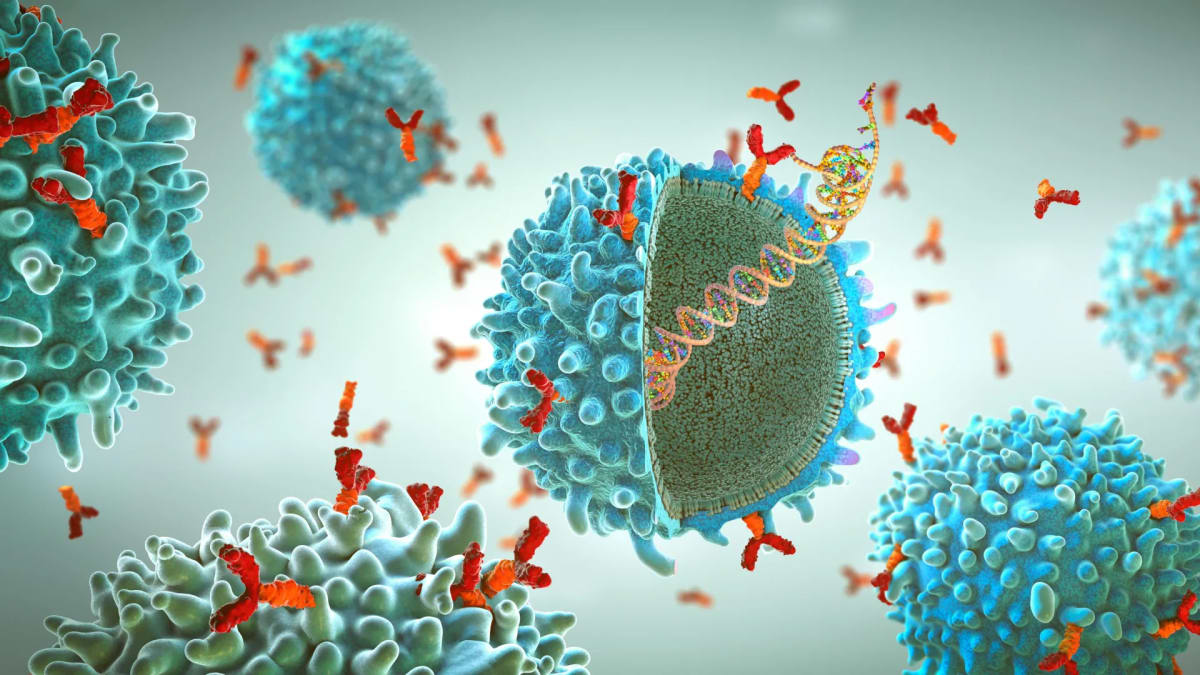
Researchers created a breakthrough nanodisc system that shows viruses in their true form, revealing hidden weak points that could lead to more effective vaccines. The technology speeds up vaccine development from months to just one week.
Scientists just got their clearest look yet at how to defeat some of the world's deadliest viruses, and the breakthrough could change how we create vaccines forever.
Researchers at Scripps Research Institute developed a new nanodisc platform that recreates viral proteins exactly as they appear in real infections. For years, scientists studied simplified lab versions of these proteins that left out crucial details, making it harder to understand how our immune system fights back.
The new system wraps viral proteins in tiny lipid particles that mimic a virus's natural outer membrane. This seemingly small change reveals interactions between antibodies and viruses that traditional methods completely missed.
The team tested their platform on HIV and Ebola, two viruses that have resisted vaccine efforts for decades. What they discovered offers real hope: antibodies recognize and attack these viruses in ways scientists hadn't seen before, especially near the base of viral proteins where they connect to membranes.
"For many years, we've had to rely on versions of viral proteins that are missing important pieces," says Professor William Schief, who led the study published in Nature Communications. The platform shows these proteins in a setting that actually reflects their natural environment.
The technology works with HIV, Ebola, influenza, and even SARS-CoV-2. Scientists can now capture detailed structural views of how protective antibodies latch onto viruses, giving vaccine designers a clearer blueprint for success.
One major finding focused on HIV antibodies that target a stable region of the virus near its membrane. These antibodies can block multiple HIV variants even as the virus mutates, making them incredibly valuable for vaccine research.
Why This Inspires
The platform doesn't just reveal new information. It transforms the timeline for vaccine development in ways that could save countless lives.
Processes that once took over a month now finish in about a week. Scientists can quickly compare different vaccine candidates and identify which ones trigger the strongest immune responses.
The system works as molecular "bait" to isolate immune cells that respond to specific viral proteins. This helps researchers understand exactly how the body reacts to different vaccine designs, allowing them to refine their approach with unprecedented precision.
First author Kimmo Rantalainen explains that while the individual components existed before, making them work together reliably was key. "The structure gave us a level of detail we simply couldn't access before," he notes.
The broader applications extend beyond the lab. Faster, more accurate vaccine development means quicker responses to emerging threats and better protection against viruses that have long evaded our defenses.
After decades of studying viruses through an incomplete lens, scientists can finally see the full picture—and they're finding weak spots they never knew existed.
Based on reporting by Google News - Tech Breakthrough
This story was written by BrightWire based on verified news reports.
Spread the positivity!
Share this good news with someone who needs it