Scientists Find Immune Defense Centers in Skull Bone
Researchers discovered organized immune structures in skull bone marrow that actively protect the brain from threats like tumors. The finding challenges our understanding of how the brain defends itself.
Your skull might be doing far more than protecting your brain from bumps and bruises.
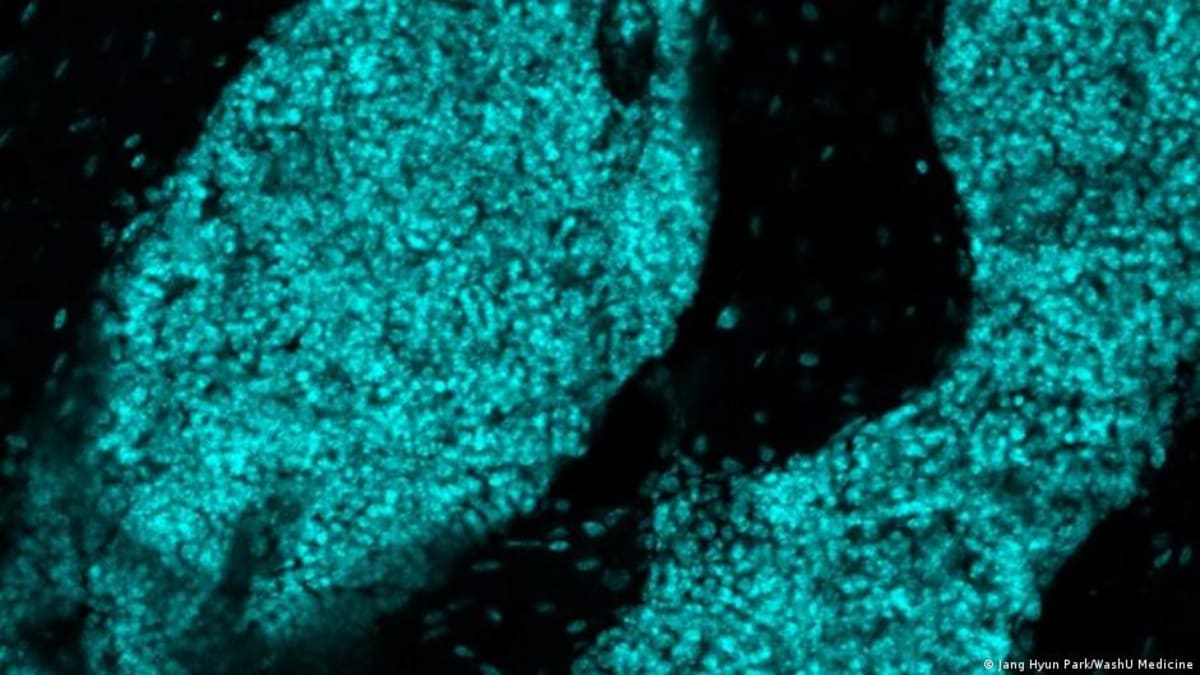
Scientists at Washington University School of Medicine in St. Louis found specialized immune structures hidden in skull bone marrow that act like security stations for the brain. These lymph node-like clusters responded to brain tumors faster than immune centers located in the neck.
The discovery happened when researchers tracked proteins moving from mouse brains through tiny skull channels into bone marrow. Instead of finding scattered immune cells as expected, they found organized teams of B cells and T cells working together in structures that looked remarkably like lymph nodes found elsewhere in the body.
When the research team disrupted these immune hubs in mice with aggressive brain cancer, the tumors grew faster and the animals died sooner. That suggested these structures weren't just sitting there but actively defending the brain.
Senior author Jonathan Kipnis says we need to rethink what the skull does. "The skull should no longer be viewed simply as a protective shell around the brain. It contains specialized immune environments that appear capable of responding locally to changes within the brain."
For decades, scientists believed the brain was largely isolated from the immune system because inflammation that helps elsewhere can damage delicate brain tissue. That view has shifted dramatically in recent years as researchers discovered the brain constantly communicates with immune defenses.
Why This Inspires
This discovery offers something the brain may have been missing all along: its own dedicated immune response team. While immune nodes in the neck handle threats from the mouth, throat and skin, these skull structures might give the brain specialized, faster protection right where it's needed most.
The team tested whether boosting these immune hubs could help fight disease. When they stimulated the skull marrow with immune proteins, treated mice rejected tumors more effectively and lived longer.
The catch? So far this only works in mice. Kipnis found similar immune cells in human skulls but hasn't proven they organize or function the same way. Marco Prinz, a neuroimmunologist at the University of Freiburg not involved in the study, called it a "milestone finding" but stressed that demonstrating these hubs exist and work in humans remains the major challenge.
If confirmed in humans, the implications stretch beyond cancer to conditions like Alzheimer's and multiple sclerosis. Researchers might one day strengthen the brain's immune defenses by targeting the skull's bone marrow instead of delivering treatments directly into brain tissue.
The brain's best security system might have been hiding in plain sight all along.
More Images
Based on reporting by Google News - Scientists Discover
This story was written by BrightWire based on verified news reports.
Spread the positivity!
Share this good news with someone who needs it