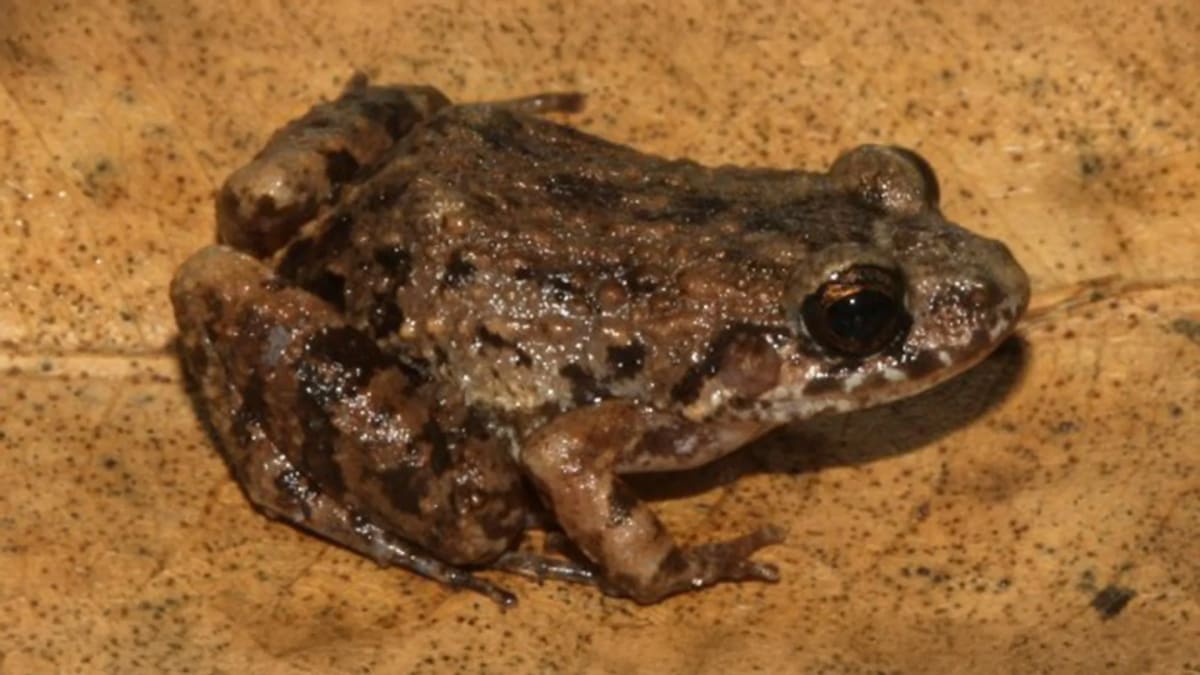
Scientists Find New Armored Mollusk Hidden for Millennia
A small armored creature has been hiding in plain sight on South Korean shores for millions of years, and scientists just proved it's been a new species all along. DNA testing revealed what the human eye couldn't see.
For millions of years, a spiny little mollusk has been clinging to rocks along South Korea's muddy coastlines, camouflaged so perfectly that scientists assumed it was just another common chiton. They were wrong.
Researchers from Kyungpook National University discovered that this armored sea creature is actually an entirely new species called Acanthochitona feroxa. The find, published in Marine Life Science & Technology, shows how modern genetics can unveil secrets hiding beneath ancient shells.
Chitons are small marine animals that have looked essentially the same for 300 million years. Their eight overlapping plates work like body armor, letting them grip rocks and survive pounding waves. This ancient, unchanging design makes spotting new species incredibly difficult with the naked eye alone.
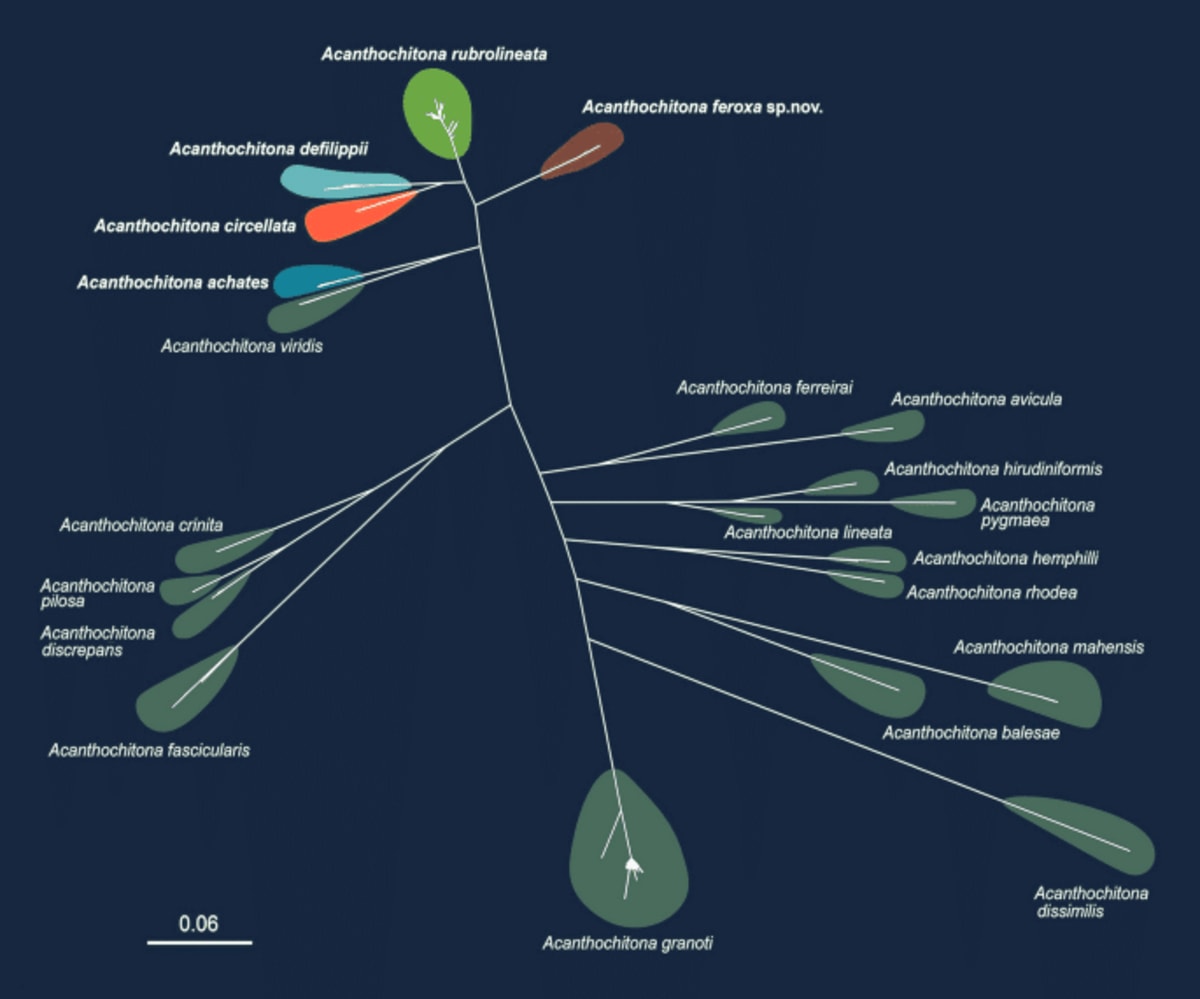
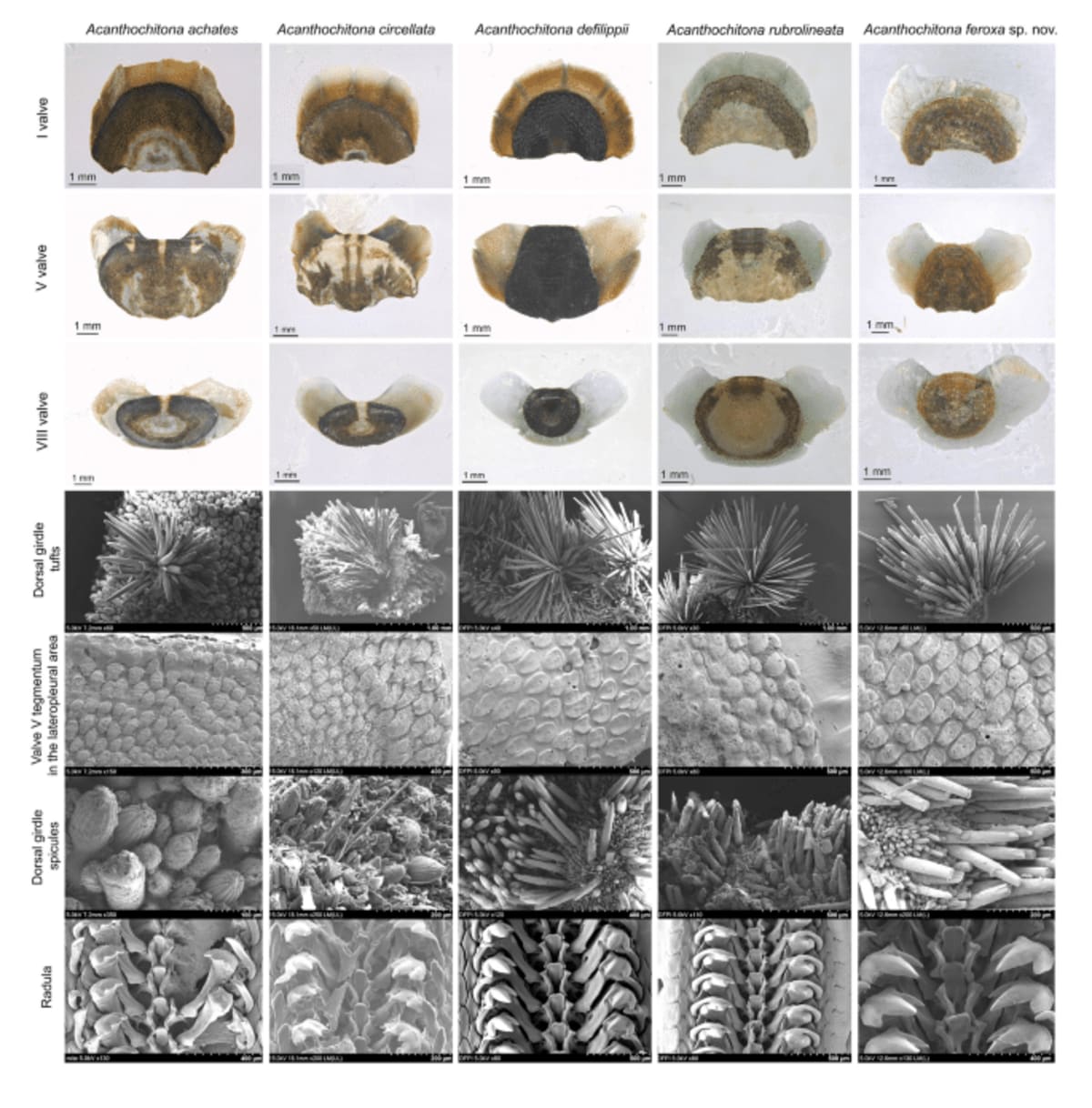
The breakthrough came through DNA analysis. The team tested mitochondrial DNA from 295 animals collected from South Korean shores and compared them to global databases. The genetic markers told a story that appearance never could: this fierce-looking chiton with its distinctive sharp spines was genetically distinct from its lookalikes.
"The discovery of Acanthochitona feroxa challenges our understanding of how new species can remain hidden within populations that appear nearly identical on the surface," said lead researcher Dr. Ui Wook Hwang. The species name "feroxa" reflects its bristling, fierce appearance when viewed under magnification.
The team traced the species' evolutionary roots back more than 80 million years to the Late Cretaceous period. During that era, expansive marine environments allowed these creatures to diversify into the distinct species we're only now learning to identify.
Why This Inspires
This discovery reminds us how much we still don't know about our own planet. Even in well-studied coastal areas where people have walked for generations, new life forms wait to be recognized. The combination of patient fieldwork and cutting-edge genetic tools is revealing a more diverse world than we imagined.
The research also highlights how traditional observation methods, while valuable, sometimes need a technological boost. What looked like one species living peacefully on Korean shores turned out to be multiple distinct lineages, each with its own evolutionary story stretching back tens of millions of years.
Dr. Hwang's team hopes their work will inspire more exploration of similar coastal habitats around the world. If a new species can hide this long in relatively accessible tidal zones, imagine what else remains undiscovered in Earth's oceans.
Every new species discovered adds another piece to the puzzle of life's incredible diversity on our blue planet.
More Images
Based on reporting by Google News - Scientists Discover
This story was written by BrightWire based on verified news reports.
Spread the positivity!
Share this good news with someone who needs it