Scientists Find New Way to Detect Alien Life
Researchers discovered that life creates hidden patterns in molecules that can be spotted using simple statistics. This breakthrough could help space missions identify biology without needing special equipment.
Scientists just made finding alien life a whole lot easier by discovering that living things leave behind a mathematical signature.
Researchers at UC Riverside and the Weizmann Institute found that life doesn't just make molecules. It organizes them in specific patterns that can be detected using basic statistics, even with equipment already on spacecraft exploring our solar system.
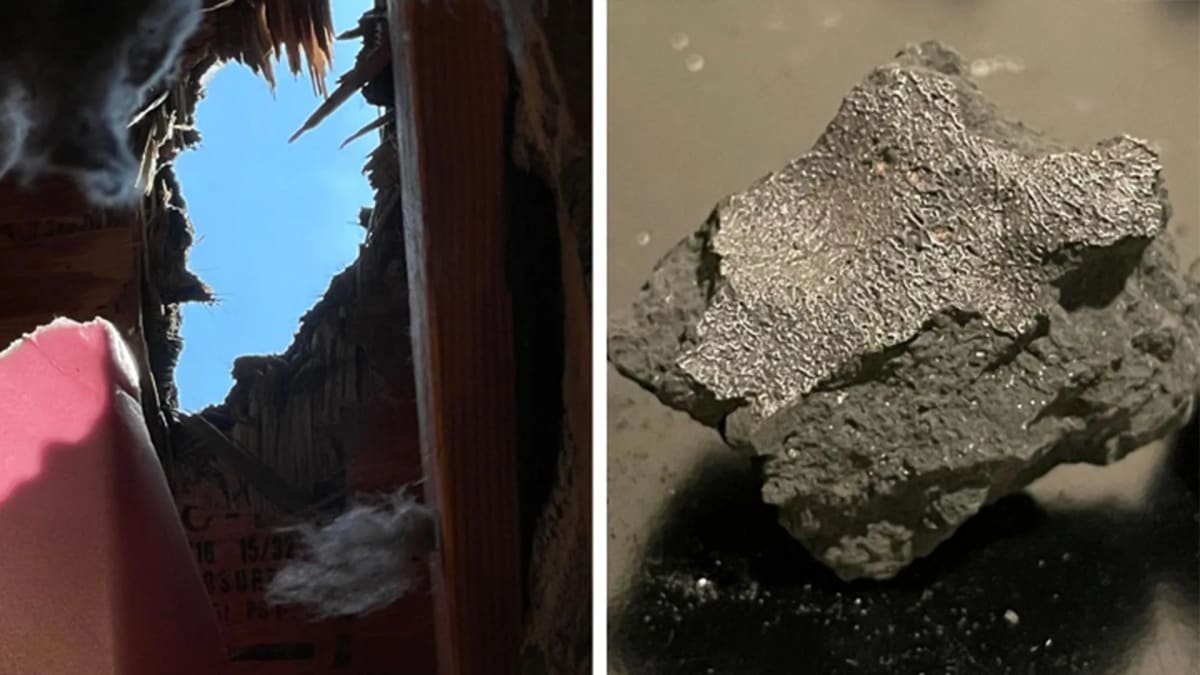
The team studied around 100 samples including microbes, soils, fossils, meteorites, and lab-made compounds. They discovered something remarkable: amino acids from living things are consistently more diverse and evenly spread out than those from non-living sources. Fatty acids show the opposite pattern, with non-living sources being more evenly distributed.
"We're showing that life does not only produce molecules," said Fabian Klenner, UC Riverside assistant professor of planetary sciences. "Life also produces an organizational principle that we can see by applying statistics."
The breakthrough solves a frustrating problem in astrobiology. Many molecules essential to life on Earth, like amino acids, can also form through natural chemical reactions in space. Finding them alone isn't enough proof of biology.
The new method borrows tools from ecology, where scientists measure biodiversity by counting species and how uniformly they appear. Applied to chemistry, this approach successfully separated biological samples from non-living ones with striking reliability.
Even degraded samples retained the signature. Fossilized dinosaur eggshells from millions of years ago still carried detectable patterns shaped by ancient life.
Why This Inspires
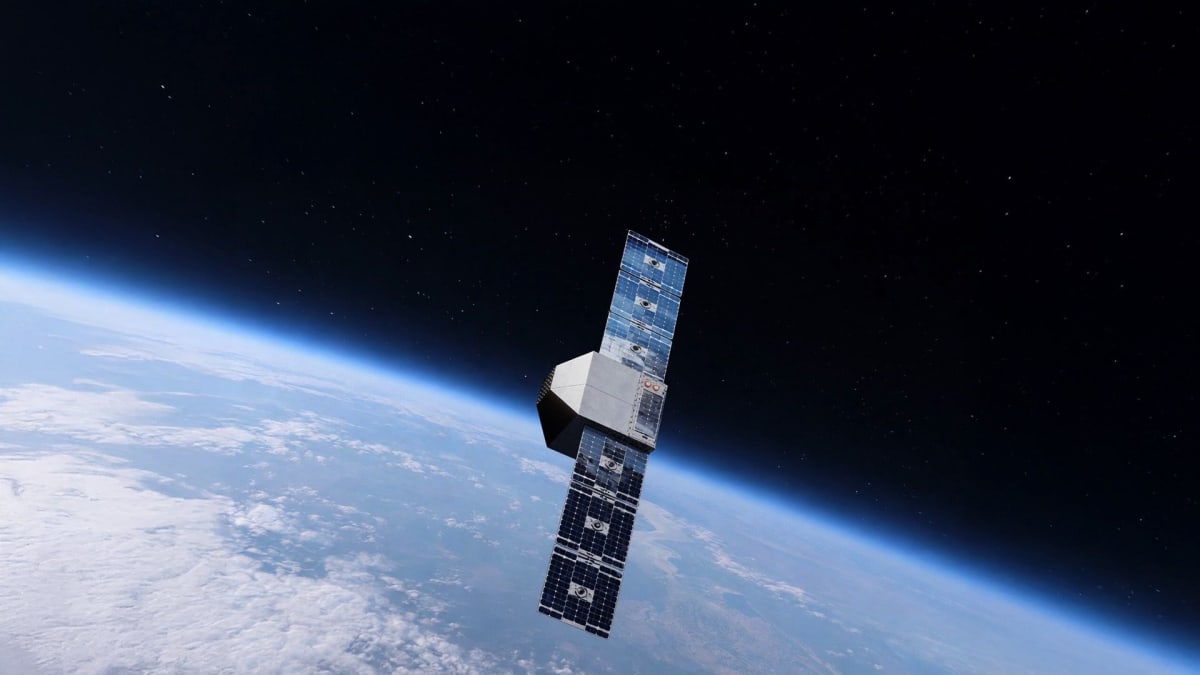
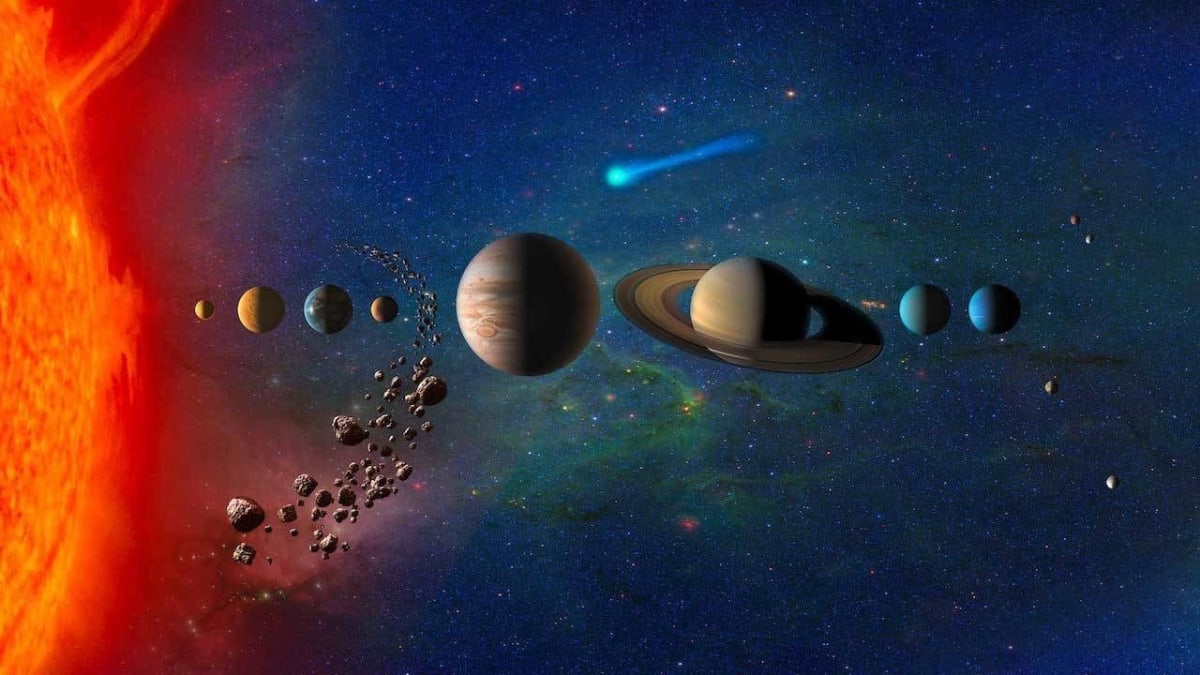
This discovery arrives at the perfect moment. Missions to Mars, Europa, and Enceladus are sending back increasingly detailed chemical measurements. Now scientists have a powerful new tool to interpret that data without waiting for specialized instruments.
The method's simplicity makes it practical. No expensive new equipment needed. The statistical framework can analyze data from sensors already aboard current and planned missions.
The researchers stress that proving alien life would require multiple lines of evidence working together. But adding this statistical approach strengthens the search considerably.
"Our approach is one more way to assess whether life may have been there," Klenner said. "And if different techniques all point in the same direction, then that becomes very powerful."
The universe just got a little less mysterious, and the odds of answering one of humanity's biggest questions just improved.
More Images

Based on reporting by Google News - Researchers Find
This story was written by BrightWire based on verified news reports.
Spread the positivity!
Share this good news with someone who needs it