Scientists Find "Off Switch" to Boost Cancer-Fighting Cells
Researchers discovered how to supercharge immune cells used in cancer treatment by turning off a single gene, making them fight tumors longer and stronger. The breakthrough could help millions of patients whose cancers don't respond to current therapies.
A team of scientists just figured out how to make one of medicine's most promising cancer treatments work even better, and it all comes down to flipping a single genetic switch.
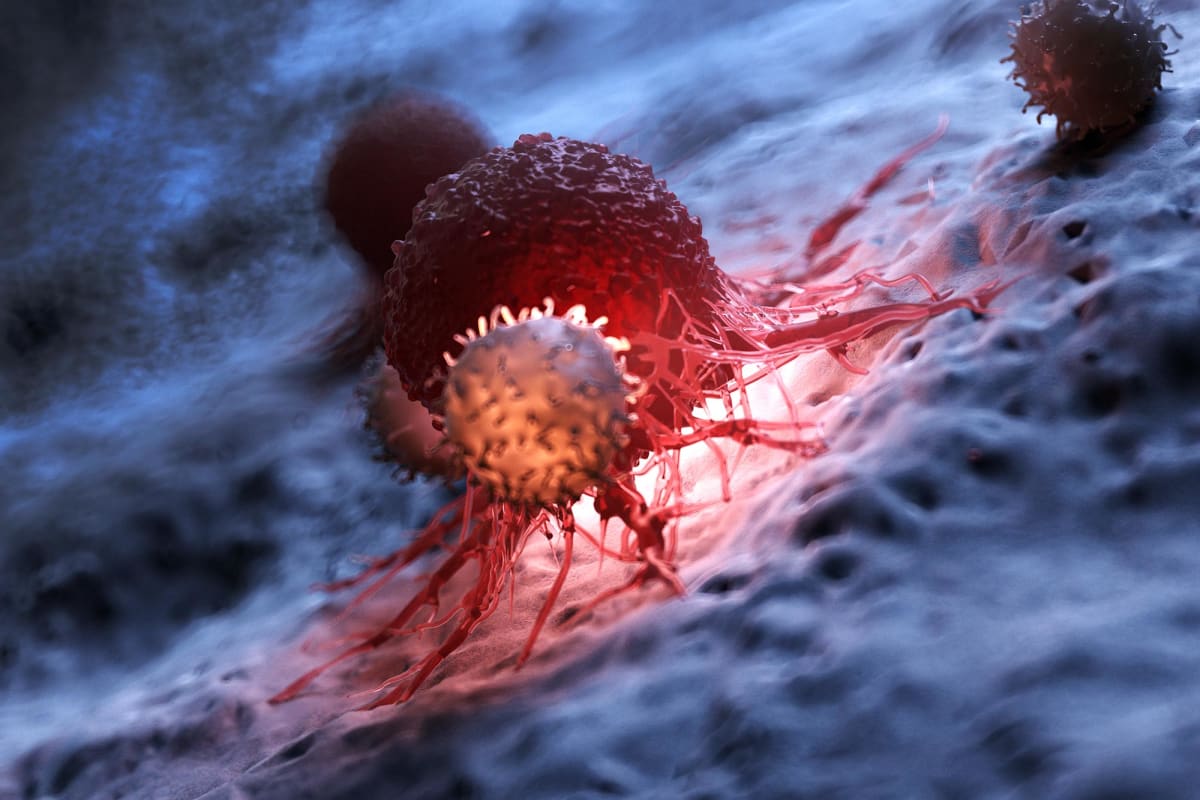
Researchers led by Prof. Michel Sadelain at Columbia University and Prof. Judith Feucht at University Hospital Tübingen discovered that disabling a protein called NFIL3 keeps cancer-fighting immune cells active much longer. These specially modified cells, called CAR T cells, are already saving lives for some blood cancer patients. But they've struggled against solid tumors, the kind that make up most cancers like breast, lung, and colon cancer.
The team screened about 400 different proteins to find the culprit behind why CAR T cells get tired and stop working. When they used gene-editing technology to remove NFIL3, something remarkable happened. The modified cells stayed energized, multiplied faster, and kept attacking cancer cells for extended periods.
In mouse studies, the enhanced CAR T cells fought tumors more successfully and helped the animals live longer. The results held up across multiple experiments, suggesting the approach could work reliably.
CAR T-cell therapy works by removing a patient's own immune cells, reprogramming them to recognize cancer, and putting them back in the body to hunt down tumors. It's personalized medicine at its best. The treatment has been truly groundbreaking for certain blood cancers, but doctors have been frustrated by its limited success against the solid tumors that affect far more patients.
Why This Inspires
Prof. Feucht splits her time between the laboratory and treating young cancer patients at University Hospital Tübingen. She works within Germany's only oncology Cluster of Excellence, turning scientific discoveries into real treatments for children and teenagers fighting cancer. Her "bench-to-bedside" approach means breakthroughs don't just sit in journals. They move toward helping real people.
The research team emphasizes that more studies are needed before this can help patients in clinics. But the results offer genuine hope for a strategy that could eventually benefit people whose cancers have few treatment options.
Celina May, co-first author of the study, put it simply: "Our goal is to improve the effectiveness of CAR T cells in solid tumors as well." For the millions of people diagnosed with these harder-to-treat cancers each year, that goal could mean everything.
This discovery represents the kind of incremental progress that builds toward real cures, one carefully researched step at a time.
More Images
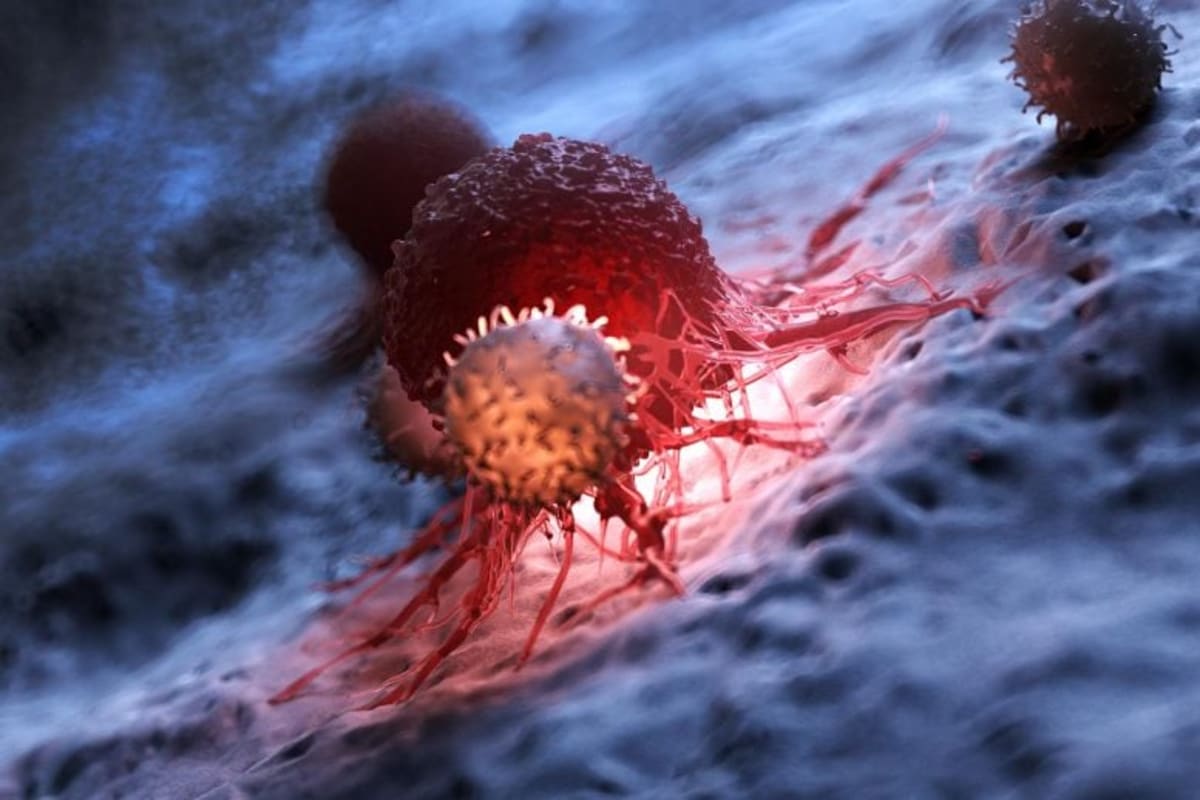
Based on reporting by Google News - Scientists Discover
This story was written by BrightWire based on verified news reports.
Spread the positivity!
Share this good news with someone who needs it