Scientists Find Space Dust Visiting Earth from 20 Star Systems
Interstellar visitors are constantly passing through our solar system, and scientists just traced their home addresses. New research reveals that cosmic dust and objects from 20 nearby planet-forming systems are visiting Earth right now.
Our solar system is hosting guests from across the galaxy, and astronomers just figured out where they're coming from.
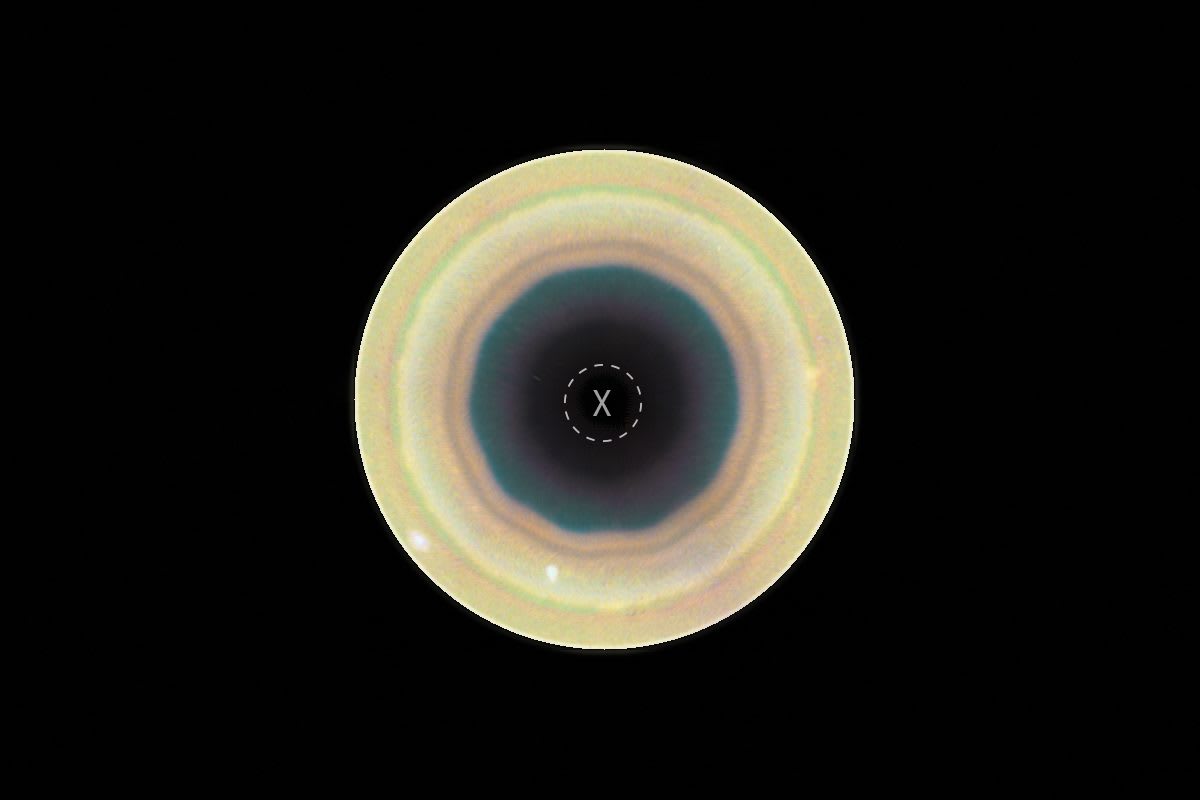
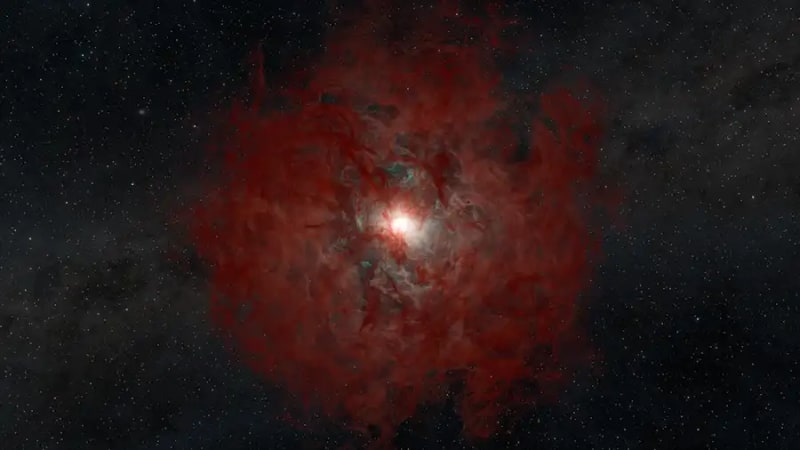
Scientists at the University of Western Ontario ran simulations showing that material from the 20 nearest debris disks around other stars is currently traveling through our solar system. These cosmic clouds of dust and rocks surrounding young stars are sending pieces of their planet-forming systems straight to us.
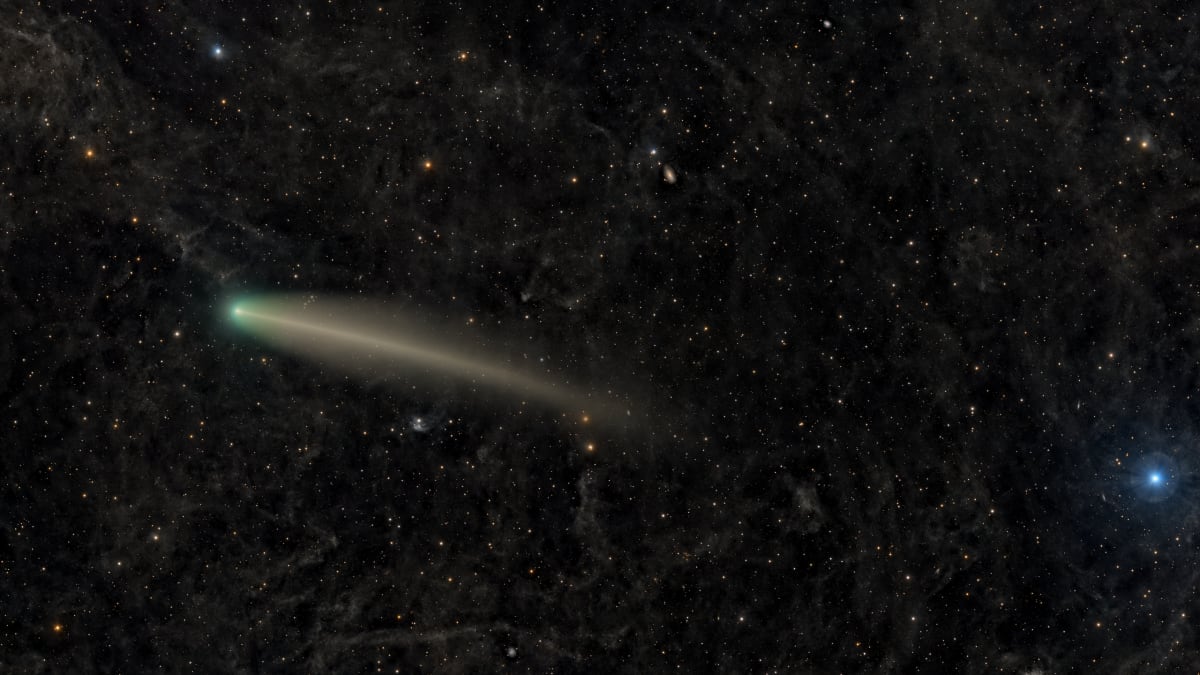
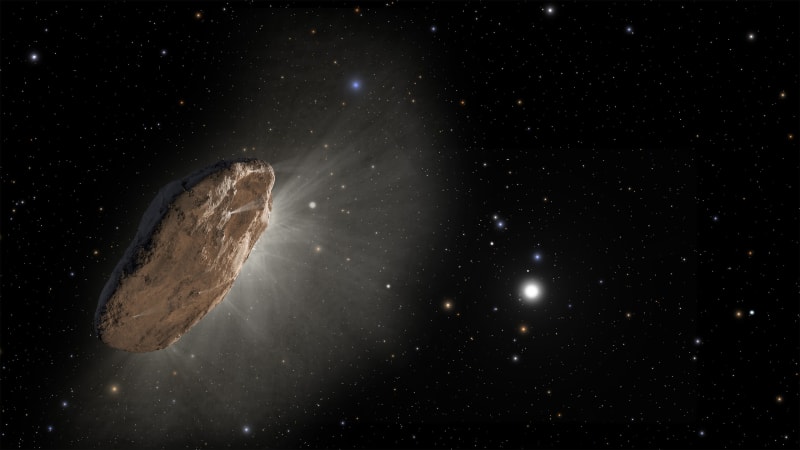
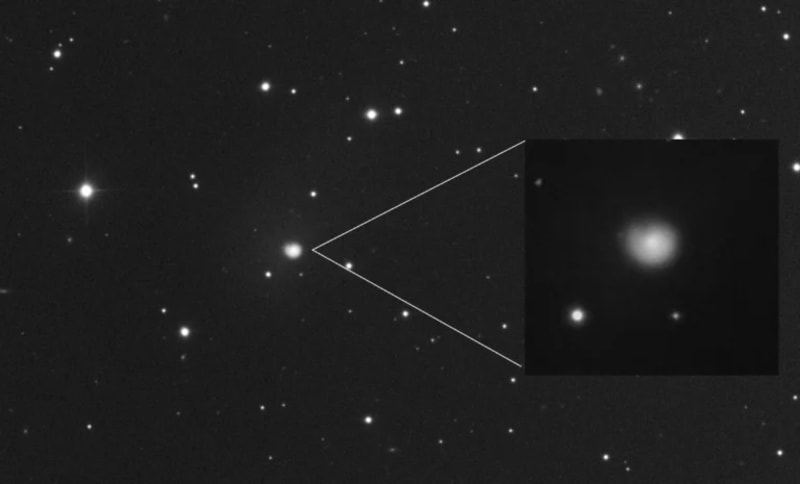
The timing couldn't be better. Just this July, astronomers spotted 3I/ATLAS entering our solar system, becoming only the third confirmed interstellar object we've ever detected. It follows 1I/ʻOumuamua in 2017 and 2I/Borisov in 2019, mysterious visitors that sparked worldwide fascination about what else might be drifting between the stars.
The research team simulated how material ejected from debris disks travels through space over 100 million years. They discovered something remarkable: material from each of the 20 systems they studied should currently be inside our solar system right now.
For larger objects measuring at least 100 meters across, the models predict about two are cruising through our inner solar system at this moment. Smaller meteoroids that would burn up as shooting stars in Earth's atmosphere are even more common, with hundreds expected from each debris disk.
The scientists even found a potential match. When they traced back where ʻOumuamua entered our solar system, its path lined up with debris from two nearby star systems: HD 166 and HD 38858. While the object likely didn't come directly from those systems, the connection proves researchers can now link interstellar visitors to their possible origins.
Why This Inspires
This discovery transforms how we understand our place in the universe. We're not isolated in space but constantly exchanging material with neighboring star systems.
These cosmic visitors might carry organic compounds and chemicals that help seed life across the galaxy. Understanding where they come from helps scientists learn how planets form and how young solar systems influence each other across vast distances.
The best part? We're just getting started. Current meteor detection networks aren't quite sensitive enough to spot most interstellar meteoroids yet, but upgraded instruments are coming soon. Researchers predict a wave of discoveries as technology improves, revealing just how connected our corner of the galaxy really is.
The universe is more interactive than we ever imagined, and Earth sits right in the cosmic crossroads.
More Images
Based on reporting by Sky & Telescope
This story was written by BrightWire based on verified news reports.
Spread the positivity!
Share this good news with someone who needs it