Scientists Find Spiky New Sea Creature Off Korea Coast
A fierce little mollusk that's barely changed in 300 million years just joined the ranks of known species. Genetic testing revealed what looks like an old friend is actually brand new to science.
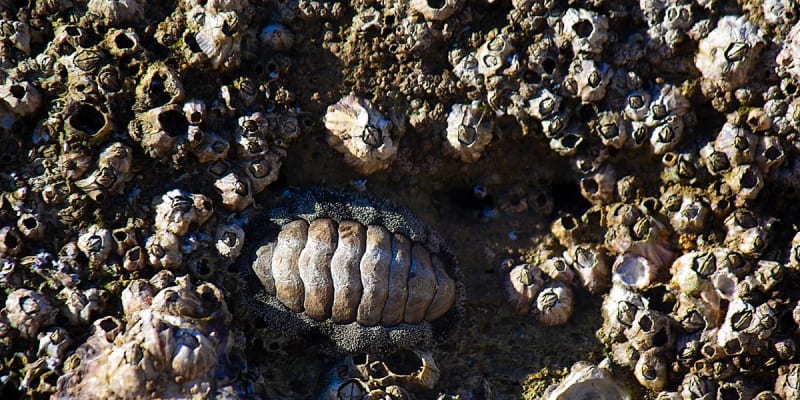
Scientists in South Korea just identified a new species of chiton, an armored sea creature that's been clinging to ocean rocks since before dinosaurs walked the Earth.
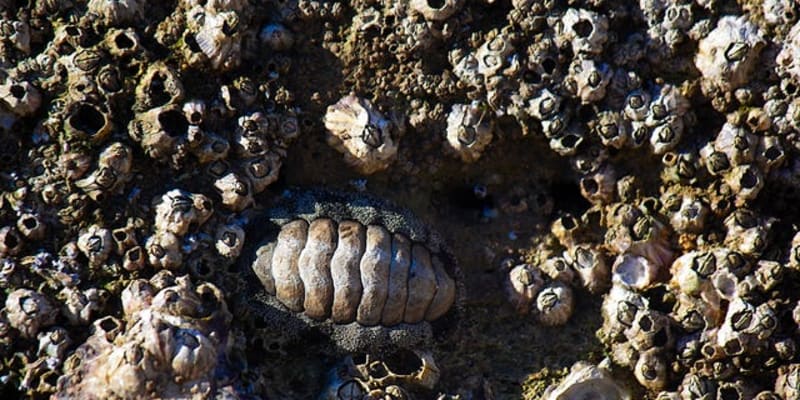
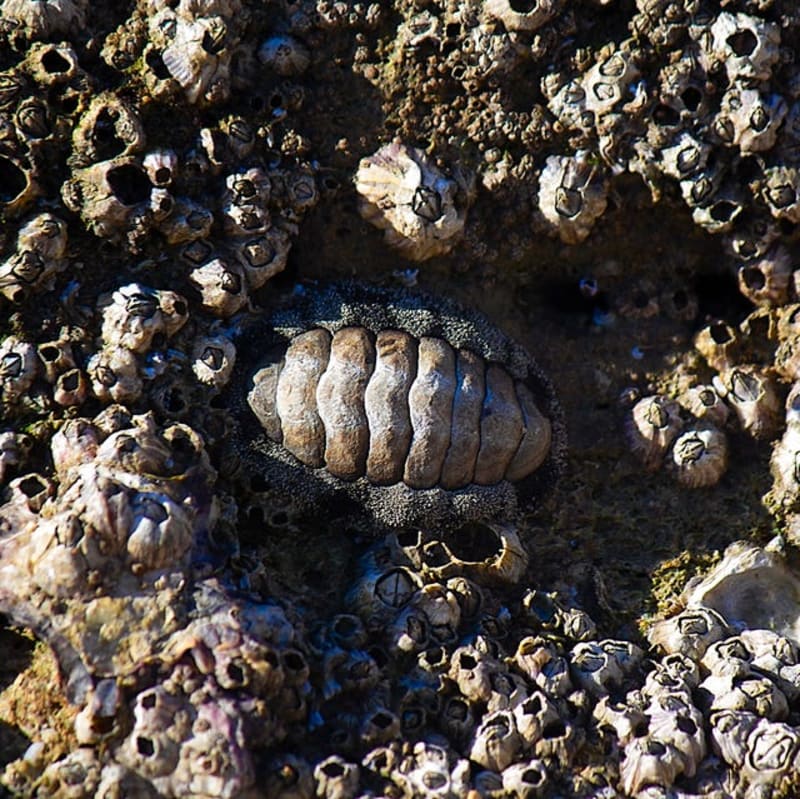
Meet Acanthochitona feroxa, a spiky marine mollusk with tufts of bristles that make it unpleasant for anything trying to take a bite. Biologists Hyang Kim and Ui Wook Hang from Kyungpook National University discovered it hiding in plain sight off Korea's southern and western coasts.
The researchers initially thought they were studying Acanthochitona defilippii, a known species. But something seemed off. The tiny creature's shell spikes looked rounded instead of pointed, and its feeding structure showed subtle differences.
When the team sequenced the mollusk's genetic code and compared it to four other Acanthochitona species, they confirmed their hunch. This wasn't a variation of an existing species. It was entirely new.
The name "feroxa" comes from the Latin word for "fierce" or "bristling," inspired by those defensive tufts that protect it from predators. These bristles protrude from the edges of its flattened oval shell, giving it a distinctive punk rock appearance.
Chitons are often called living fossils because they've remained remarkably unchanged for half a billion years. They scrape algae off rocks using a tongue covered in tiny sharp teeth, living quiet lives in both shallow waters and ocean depths.
The Ripple Effect
More than 1,300 chiton species exist today, and remarkably, more are alive now than have gone extinct. That suggests these resilient creatures have had plenty of time to diversify into forms scientists haven't discovered yet.
The genus Acanthochitona alone developed around 92 million years ago during the Late Cretaceous period, when rising sea levels created new habitats for marine life to explore. Each new environment offered chances for these creatures to adapt and evolve into distinct species.
This discovery shows how genetic tools are revolutionizing species identification. Physical appearance can mislead scientists, but DNA tells the truth. Kim and Hang's molecular techniques revealed what traditional observation methods might have missed entirely.
The finding provides crucial baseline data for future research into these ancient creatures. Understanding their complete genetic makeup and family relationships helps scientists piece together how life has evolved and adapted over millions of years.
Right now, more undiscovered chiton species are almost certainly out there, camouflaged against rocks, waiting for someone to look close enough to see them for what they really are.
More Images


Based on reporting by Google: fossil discovery
This story was written by BrightWire based on verified news reports.
Spread the positivity!
Share this good news with someone who needs it