Scientists Find Thousands of Live Skate Eggs in Volcano
Nearly a mile underwater off Vancouver Island, researchers discovered hundreds of thousands of giant eggs thriving inside what they thought was an extinct volcano. The deep-sea skates are using the volcano's warmth as a natural nursery for their young.
Scientists exploring the ocean floor near Vancouver Island got the surprise of their careers when they found an underwater volcano teeming with life instead of cold, barren rock.
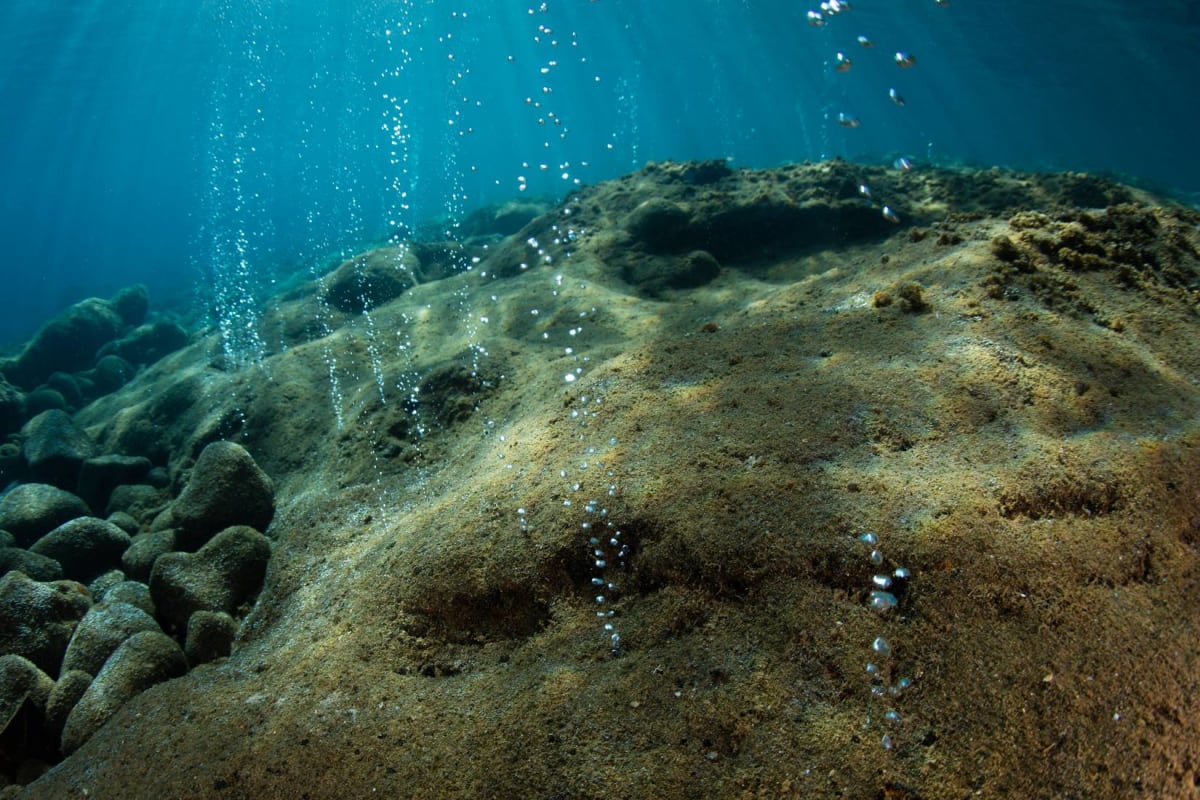
Marine biologist Cherisse Du Preez led a team in 2019 that discovered the volcano wasn't extinct at all. It was actively releasing warm, mineral-rich water almost a mile below the surface, creating an unexpected oasis in the deep sea.
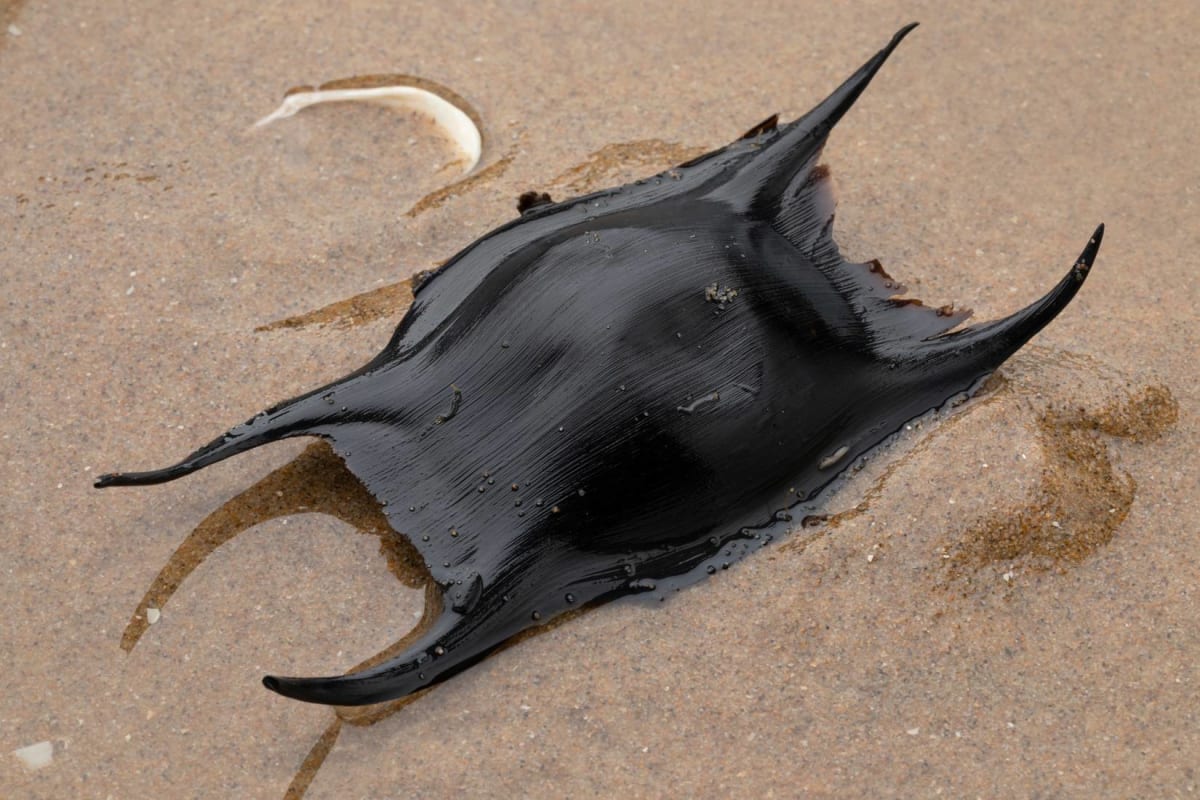
But the real jaw-dropper came when they spotted what was living there. Scattered across the volcano's summit were hundreds of thousands of giant eggs, each about 1.5 feet long and shaped like old-fashioned purses.
The eggs belong to Pacific white skates, mysterious deep-sea creatures that can grow over six feet long. These rare animals usually live in frigid Pacific waters between 2,600 and 9,500 feet deep, making them incredibly difficult to study.
Female skates pour enormous energy into producing these massive eggs, which scientists affectionately call "mermaid purses." Each egg is packed with nutrients to give baby skates the best possible start in the harsh deep-sea environment.
Du Preez believes the skates discovered something ingenious. By laying their eggs in the volcano's warm water, they're essentially using geothermal heat as a natural incubator to speed up the normally four-year development period.
"The warm water likely speeds up the gestation period of the eggs, resulting in more successful juveniles," Du Preez told Live Science. The shallow summit creates a coral garden that serves as a safe nursery where young skates can grow before venturing into the deep ocean.
Why This Inspires
This discovery reshapes how scientists understand deep-sea life. Animals living in Earth's most extreme environments aren't just surviving—they're finding creative solutions that would make any engineer proud.
The Pacific white skates aren't alone in their ingenuity either. In 2018, researchers found similar eggs near hydrothermal vents in the Galápagos Islands, suggesting this clever adaptation might be more common than anyone realized.
Du Preez returned to the site in 2023 to continue studying these remarkable creatures. During two weeks at sea, her team even captured live footage of a Pacific white skate laying an egg, giving scientists unprecedented insight into these elusive animals.
The discovery proves that even in places we assumed were too harsh for life, nature finds a way to not just exist but thrive.
More Images

Based on reporting by Google News - Scientists Discover
This story was written by BrightWire based on verified news reports.
Spread the positivity!
Share this good news with someone who needs it

%2Fhttps%3A%2F%2Ftf-cmsv2-smithsonianmag-media.s3.amazonaws.com%2Ffiler_public%2Fb1%2F80%2Fb180ba86-f7df-4b9b-8a16-bb7da22ea355%2Fmbari_bigfinsquid_d1510_01_1920.png)