Scientists Find Way to Stop Pancreatic Cancer Spread
Brazilian researchers discovered how pancreatic cancer uses a protein called periostin to invade nerves and spread throughout the body. This breakthrough could lead to new treatments that stop the disease before it becomes deadly.
Scientists just found pancreatic cancer's secret weapon, and now they know how to fight back.
A team from Brazil discovered that pancreatic tumors don't just grow on their own. They actually reprogram nearby healthy tissue to help them spread faster, using a protein called periostin as their key tool.
The research, published in Molecular and Cellular Endocrinology, explains why pancreatic cancer is so deadly. The disease kills nearly as many people as it diagnoses each year, with roughly 510,000 new cases and deaths worldwide annually.
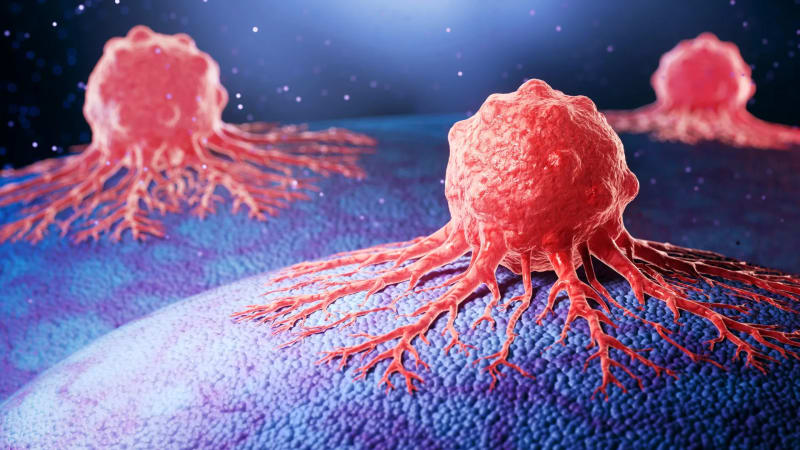
Pancreatic tumors use periostin to remodel the tissue around them, creating pathways that let cancer cells invade nearby nerves. Once inside these nerves, cancer cells travel like cars on a highway, reaching distant parts of the body and forming new tumors.
"Perineural invasion is a marker of cancer aggressiveness," explains Dr. Pedro Luiz Serrano Uson Junior, one of the study's authors. More than half of pancreatic cancer cases show this nerve invasion at early stages, though doctors usually only discover it after surgery.
The team used advanced technology to analyze thousands of genes in individual cancer cells, examining 24 tumor samples in detail. They found that stellate cells in the pancreas produce massive amounts of periostin, which tears apart the normal tissue structure and lets cancer push through.
This process also creates another problem: dense, fibrous tissue builds up around the tumor like a protective fortress. This barrier blocks chemotherapy and immunotherapy drugs from reaching cancer cells, helping explain why treatments often fail.
The Bright Side
Now that scientists know periostin's role, they can develop drugs that specifically target this protein. Stopping periostin could prevent cancer cells from ever reaching the nerves, cutting off their escape routes before metastasis begins.
The research team at São Paulo's Center for Research on Inflammatory Diseases used cutting edge tools that map exactly where genes activate inside tumors. "We were able to integrate data from dozens of samples with extremely powerful resolution," says lead researcher Helder Nakaya.
Understanding how tumors manipulate their environment opens doors for personalized medicine. Instead of just attacking cancer cells directly, doctors could disrupt the support system tumors build around themselves.
Currently, only about 10% of pancreatic cancer patients survive five years after diagnosis. But identifying periostin as a treatment target gives researchers a concrete goal for developing therapies that could dramatically improve those odds.
This discovery transforms how doctors think about pancreatic cancer—not as a single enemy, but as a disease that hijacks the body's own systems, and one that can be stopped at its source.
Based on reporting by Health Daily
This story was written by BrightWire based on verified news reports.
Spread the positivity!
Share this good news with someone who needs it