Scientists Grow Real Milk Protein Inside Plants
Researchers in Jerusalem engineered plants to produce genuine dairy protein without cows, discovering the plants created their own unexpected storage system. The breakthrough could lead to sustainable dairy ingredients grown with just sunlight, water, and soil.
Imagine a future where the same proteins that make milk nutritious and cheese possible grow in farm fields instead of coming from cows.
Scientists at the Hebrew University of Jerusalem just brought that vision closer to reality. They successfully engineered plants to produce β-casein, one of the key proteins in cow's milk that gives dairy its creamy texture and nutritional punch.
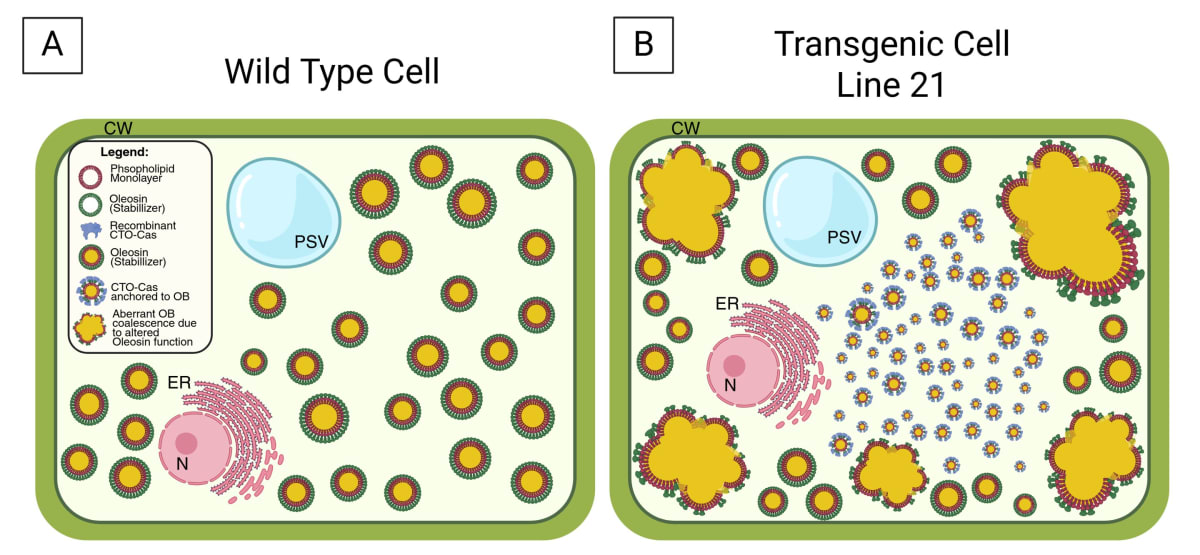
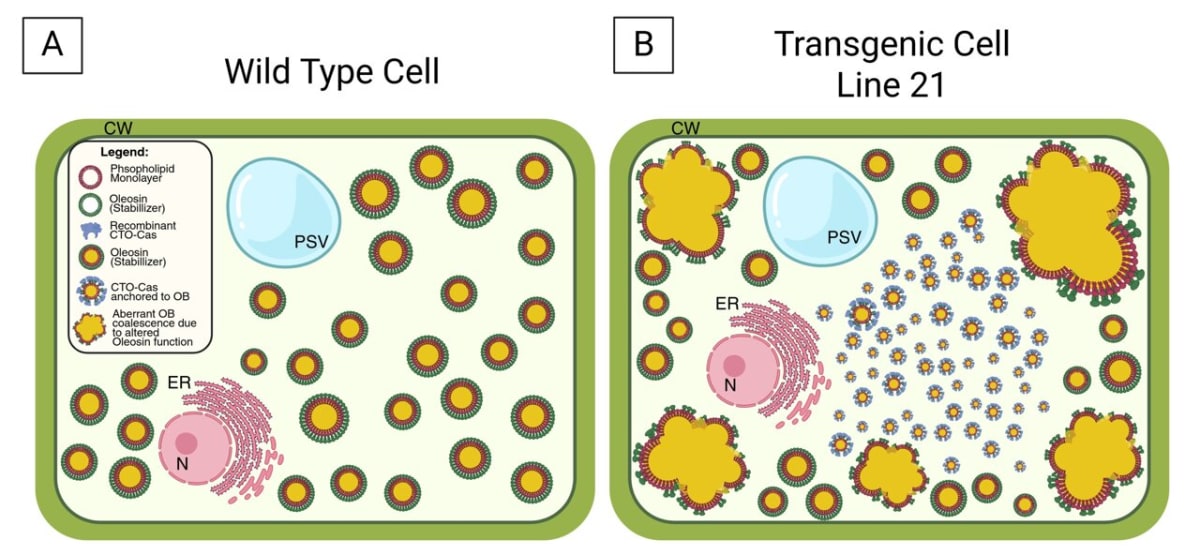
The team, led by Professor Oded Shoseyov, started by inserting the genetic instructions for making this milk protein into Arabidopsis seeds. They expected the protein to store itself in one specific compartment inside plant cells, like filing important documents in the right drawer.
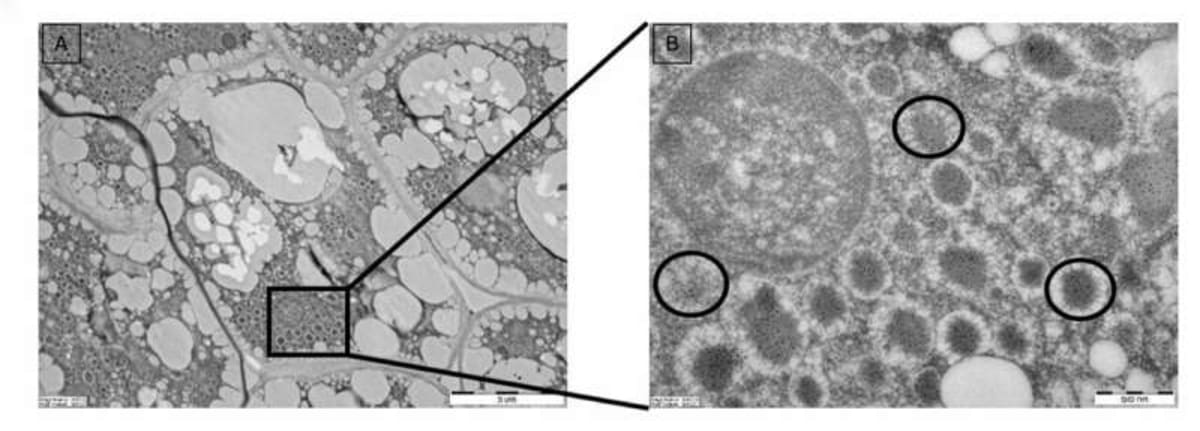
Nature had other plans. Advanced electron microscopy revealed something completely unexpected.
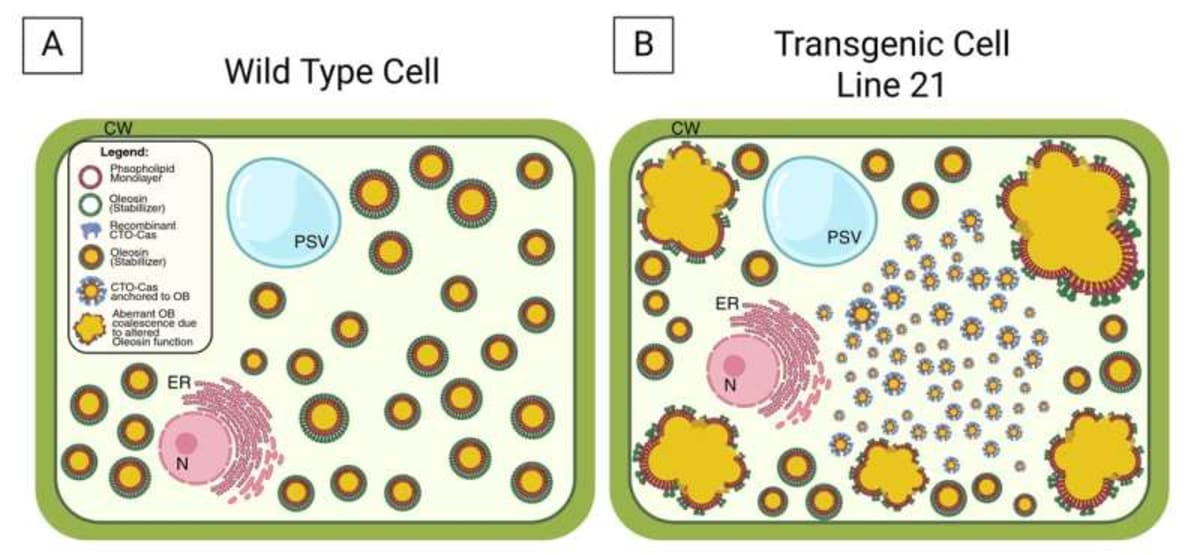
Instead of going to its intended destination, the milk protein formed brand new structures that look remarkably like the natural protein clusters found in actual milk. These protein bundles gathered around tiny oil droplets inside the seeds, creating a storage system the researchers never anticipated.
Even better, the plants stayed healthy and their seeds germinated normally. The modified plants produced β-casein at levels of 1.26% of total seed protein, substantially higher than many previous attempts to make dairy proteins in plants.
"One of the most exciting aspects of science is when nature surprises you," Shoseyov said. "We set out to send the protein to one location inside the cell, but instead discovered that the plant had effectively created its own storage solution."
The Bright Side
This discovery goes far beyond creating plant-based milk alternatives. Understanding how plants naturally handle complex animal proteins could revolutionize how we produce high-value proteins for food, nutrition, and medicine.
The team has already moved beyond their initial test plants and successfully transformed safflower, an oilseed crop that could work at commercial scale. As global demand for dairy grows alongside concerns about greenhouse gas emissions, land use, and water consumption from livestock, this approach offers a path forward.
Plants making dairy proteins would need only sunlight, water, and soil to grow. No methane emissions, no massive water requirements, no ethical concerns about animal welfare.
The unexpected cellular pathway the researchers discovered might help scientists design even more efficient protein-producing plants in the future, potentially lowering costs and simplifying the purification process. What started as a controlled experiment revealed that plants might be better collaborators in sustainable food production than we ever imagined.
More Images

Based on reporting by Google News - Scientists Discover
This story was written by BrightWire based on verified news reports.
Spread the positivity!
Share this good news with someone who needs it