Scientists Hatch Healthy Chicks in 3D-Printed Artificial Eggs
A biotech company just hatched over two dozen healthy chickens using completely artificial eggs, opening new possibilities for saving endangered birds. The breakthrough could help species on the brink of extinction while advancing efforts to bring back the dodo and other lost birds.
Scientists in Dallas just proved that life can begin inside a 3D-printed egg, and the implications are extraordinary.
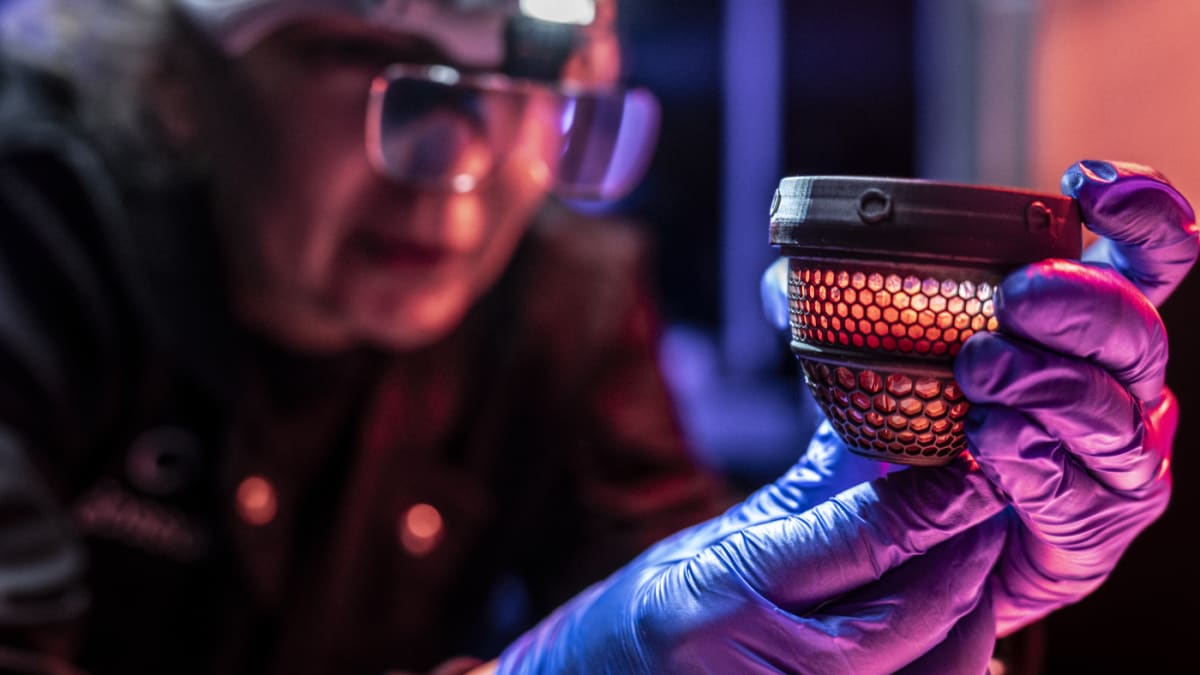
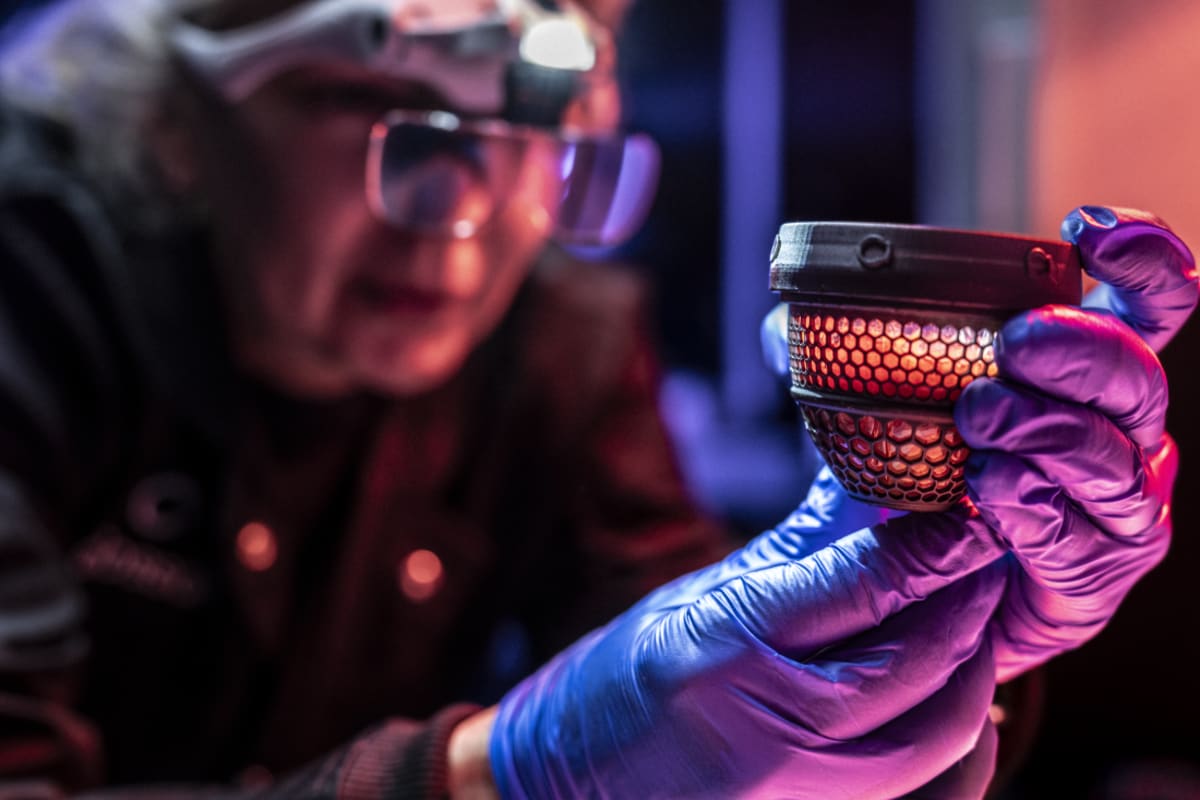
Colossal Biosciences announced Tuesday that more than two dozen healthy chicks have hatched from their artificial eggs. The high-tech pods look like coffee capsules with honeycomb bottoms that let oxygen in while keeping everything else contained.
"You can see the little chicken embryos moving around in there," says bioengineer Trevor Snyder as he lifts one from an incubator. Through the clear top, tiny hearts beat and feathers form just like they would inside a natural shell.
The team started with chickens to perfect the technology, but their vision reaches much further. They're developing larger artificial eggs that could one day incubate dodo and giant moa embryos, birds that vanished centuries ago.
The dodo disappeared from its Indian Ocean island home, leaving behind only bones and stories. The giant moa, which stood like a massive ostrich, once roamed New Zealand before going extinct hundreds of years ago.
Here's the challenge that made artificial eggs necessary: the moa's closest living relatives, like emus, lay eggs far too small to grow a moa embryo. No bird alive today has an egg large enough for the job.
The company plans to create these embryos using gene-edited cells from the Nicobar pigeon for dodos and possibly emus for moas. Those genetically modified embryos would then develop inside custom artificial eggs engineered to match their specific needs.
Why This Inspires
Beyond bringing back extinct species, this technology could become a lifeline for birds teetering on the edge of extinction right now.
"I'm genuinely blown away by it. This is brilliant," says Neil Gostling, a paleobiologist at the University of Southampton. Other conservation scientists see potential for protecting endangered birds and reptiles that desperately need help.
The work has sparked debate about whether reviving extinct animals is ethical or even truly possible. Some scientists worry that recreated species might suffer or that changed habitats can't support them anymore.
Others question whether gene-edited versions of living birds really count as bringing extinct species back to life. "They're poor facsimiles of extinct species," argues Nic Rawlence, an ancient ecology professor at the University of Otago.
Colossal stands firm in defending their mission. "In the past, extinction was permanent. We're changing that," Snyder says.
The company is also developing artificial wombs for mammals they hope to revive, including woolly mammoths. CEO Ben Lamm sees it as a moral imperative: "We're undoing the sins of the past."
Whether or not dodos ever waddle the Earth again, these artificial eggs represent something profound: technology giving nature a second chance.
More Images

Based on reporting by NPR Science
This story was written by BrightWire based on verified news reports.
Spread the positivity!
Share this good news with someone who needs it