Scientist's Hidden Journals Found in Family Storage Unit
A great-niece opened a New Hampshire storage unit to discover laboratory notebooks and personal papers belonging to pioneering physicist Katharine Burr Blodgett, revealing the hidden life of a groundbreaking scientist. The century-old documents had been carefully preserved by family members who recognized their historical importance.
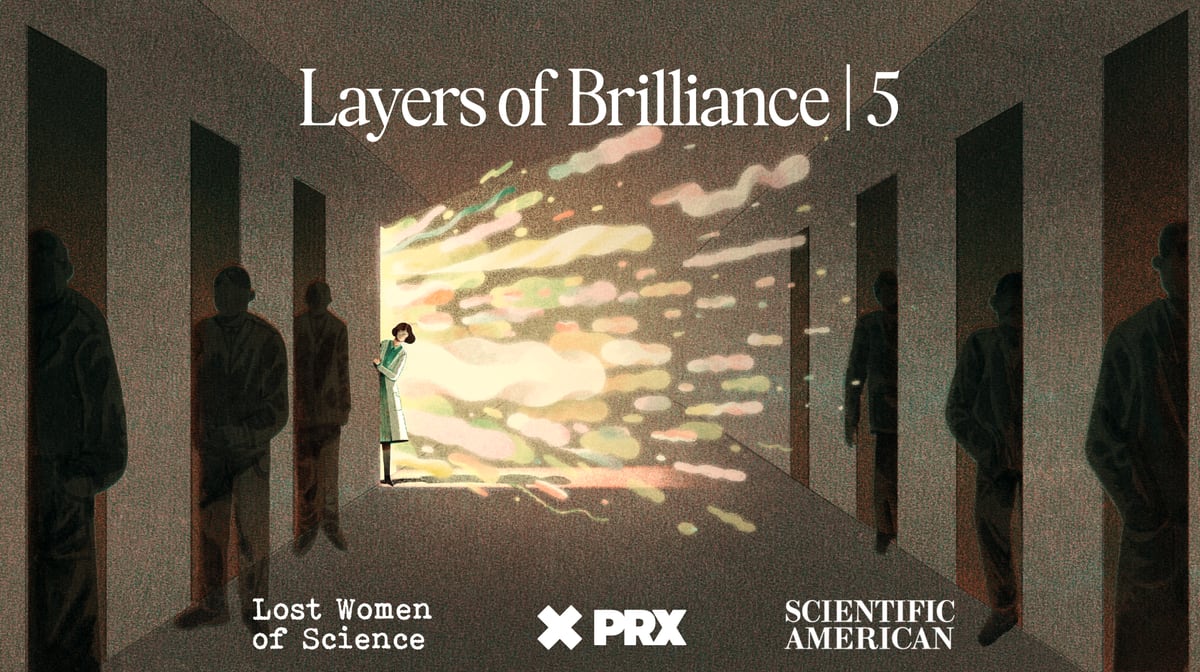
When Deborah Alkema opened her family's storage unit in Belmont, New Hampshire, she had no idea she was about to unlock a scientific time capsule. Inside the cramped space sat dozens of boxes containing the laboratory notebooks and personal papers of her great-aunt, Katharine Burr Blodgett, the first woman to earn a physics PhD from Cambridge University and a pioneering researcher at General Electric.
Alkema had been meaning to sort through the unit for months. When podcast journalist Katie Hafner called while researching Blodgett's life, they arranged to meet within weeks.
At the top of the first box they opened lay a thick, leather-bound notebook with "Katharine B. Blodgett" handwritten on the cover. The date inside read October 1, 1918, marking the very beginning of Blodgett's groundbreaking career at age 20.
Blodgett invented non-reflective glass in the 1930s, a discovery that revolutionized everything from camera lenses to eyeglasses. She held eight patents and published dozens of scientific papers during her four decades at GE's research laboratory in Schenectady, New York.
But the storage unit revealed more than just scientific achievements. The collection included evidence of Blodgett's amateur acting career with the Schenectady Civic Players, where she performed starting in 1929.
The Ripple Effect
The discovery highlights how often women's scientific contributions nearly disappear into history. Alkema and her siblings chose to preserve their great-aunt's papers rather than discard them, a decision that now allows historians and researchers to study the life and work of a pioneering female scientist.
Alkema remembered Blodgett visiting when she was young, bringing scientific toys and educational kits. One electric doorbell kit sparked her sister's interest in electricity, inspiring her to become an electrician.
The notebooks and papers are now helping researchers piece together the full story of Blodgett's scientific achievements and personal struggles. Her work on measuring molecular thickness led to innovations still used in modern technology today.
After a century stored in boxes, Katharine Burr Blodgett's legacy is finally being brought back into the light.
More Images


Based on reporting by Scientific American
This story was written by BrightWire based on verified news reports.
Spread the positivity!
Share this good news with someone who needs it