Scientists Launch $400M Plan to Fix Broken Brains
After decades of studying how the brain works, researchers say they're finally ready to start fixing it when disease strikes. A new $400 million initiative will use genetic therapies to tackle Alzheimer's, Parkinson's, and other devastating brain disorders.
Scientists who spent years learning the brain's secrets are now shifting their focus to something more powerful: healing it.
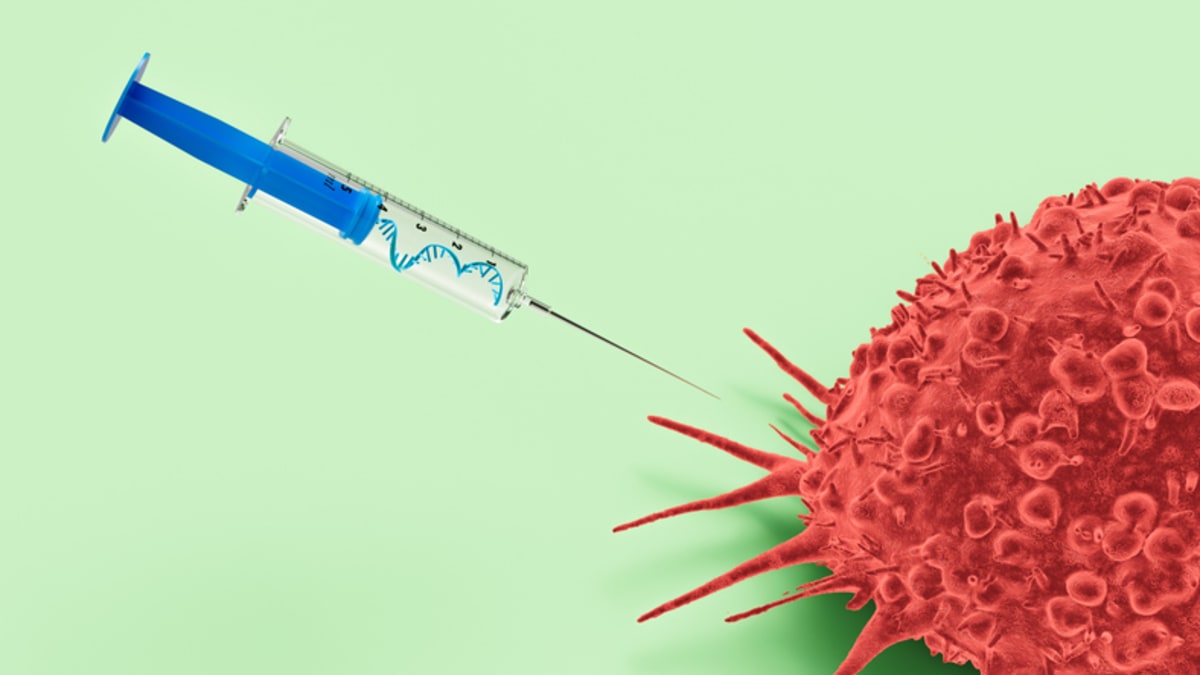
The Allen Institute in Seattle just launched the Brain Health accelerator, a $400 million collaboration aimed at developing genetic therapies for brain diseases. The initiative targets conditions that have long seemed untreatable, including Alzheimer's, Parkinson's, ALS, Lewy body dementia, and Huntington's disease.
"The latest genetic treatments allow scientists to control the activity of particular genes," says Ed Lein, who directs the institute's brain health programs. "That opens up the possibility for very specific precision therapies for brain disorders."
The timing reflects stunning progress from the BRAIN Initiative, a research program President Obama launched in 2013. Scientists expected slow advances, but the field moved faster than anyone imagined.
"I am shocked at how far we've come in the last 10, 12 years," says John Ngai, who directs the BRAIN Initiative at the National Institutes of Health. "It's just been beyond my wildest imagination."
The accelerator brings together hospitals, universities, and research centers from around the world. Funding includes $200 million from the Allen Institute, $100 million from the Bezos family, and $100 million from sources like the National Institutes of Health and Amazon Web Services.
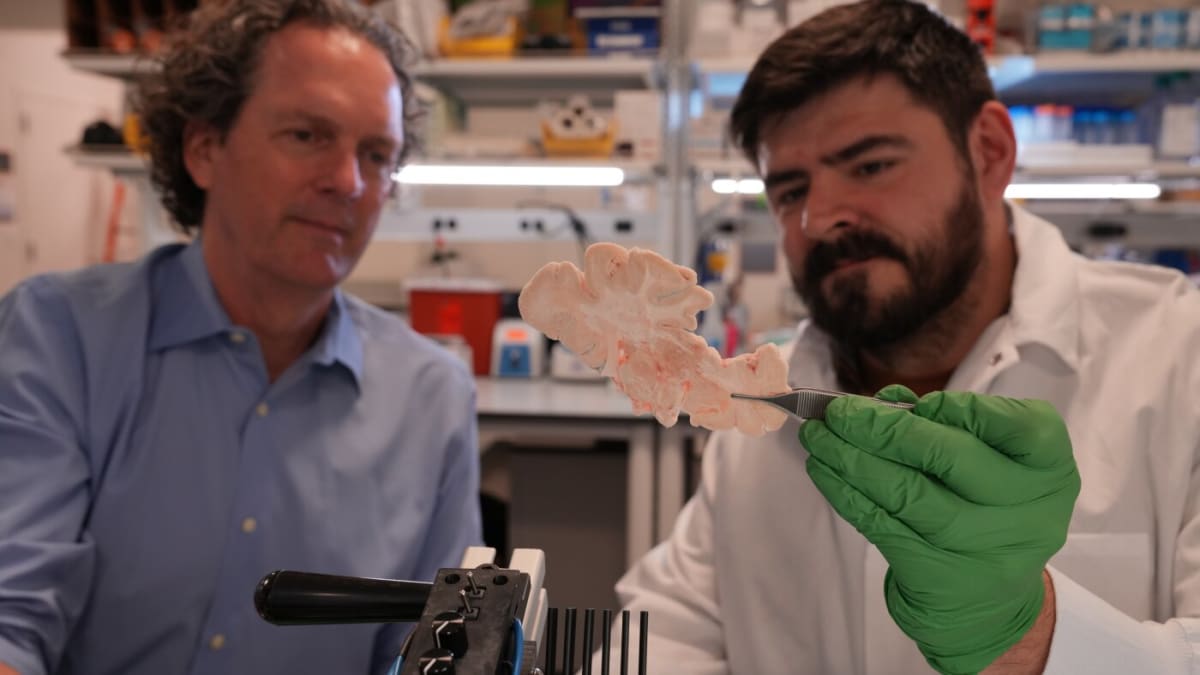
Jeff Carroll joined the effort with personal stakes. His mother had Huntington's disease, a fatal inherited disorder that destroys brain cells. Later, he learned he carries the gene too.
For years, Carroll studied mice with Huntington's at the University of Washington. The disease causes nerve cells to produce toxic levels of a certain protein. The solution seemed clear: turn off the harmful gene.
But his small university lab couldn't scale that kind of research alone. The Allen Institute's hundreds of scientists offer a different approach.
Why This Inspires
Genetic therapies have already transformed at least one devastating condition. Children with spinal muscular atrophy, caused by a gene mutation, once died by 18 months old. Now they're going to high school.
"Things that were unimaginable can change," Carroll says.
The Allen Institute has already mapped millions of brain cells and identified which specific neurons Alzheimer's disease destroys first. Genetic therapies could protect these cells and delay or prevent symptoms. Similar approaches might work for Parkinson's and ALS.
The institute makes all its research databases freely available to scientists worldwide. That means researchers anywhere can join the hunt for answers.
Carroll remains optimistic about his own condition and the millions affected by brain diseases. His goal now is simple: help accelerate the change that once seemed impossible.
More Images


Based on reporting by NPR Science
This story was written by BrightWire based on verified news reports.
Spread the positivity!
Share this good news with someone who needs it