Scientists Make Fully Recyclable Plastic Using Just Light
Researchers have created sustainable plastics that can be made and recycled using simple UV light and LEDs. The breakthrough could transform how we produce plastics without toxic chemicals or massive energy use.
Scientists just figured out how to make plastic that recycles itself with nothing more than a light switch.
Researchers at Flinders University in Australia developed a new type of polymer made from sulfur that can be created and broken down using ordinary UV light and energy-efficient LEDs. Unlike traditional plastics that pile up in landfills for centuries, these materials can be melted down and remade over and over again.
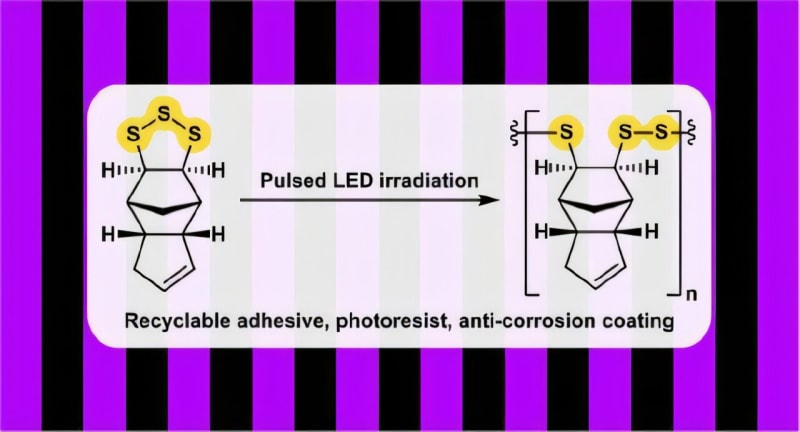
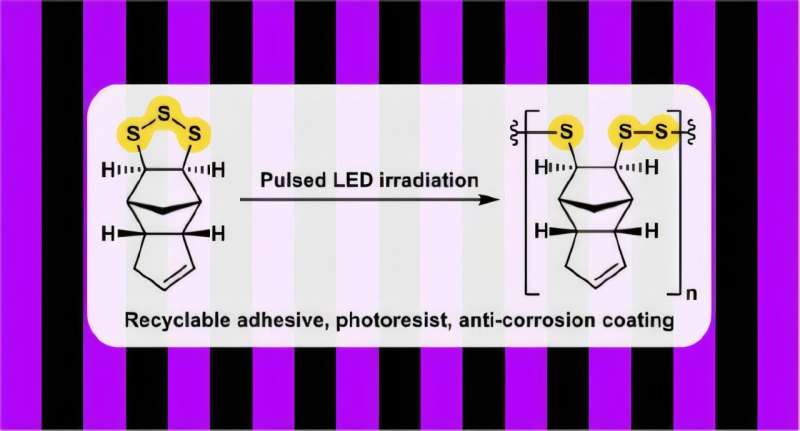
The process works by shining UV light on sulfur-based building blocks, causing them to link together into long polymer chains. The team discovered that using short bursts of LED light, flashing about 60 times per minute like a heartbeat, prevents the material from breaking down during creation.
Dr. Thomas Nicholls, who led the research, says the method uses low-cost, accessible energy sources instead of the intense heat and toxic chemicals needed for conventional plastics. When the material needs recycling, scientists can either shine UV light on it or heat it above 150 degrees Celsius to break it back down into its original building blocks.
These aren't just lab curiosities either. The sulfur-rich polymers work as recyclable adhesives, protective coatings that prevent corrosion, and specialized materials for infrared imaging. Previous research from the team showed the polymers can even clean heavy metals from contaminated soil and water.
The Ripple Effect
Worldwide plastic production creates hundreds of millions of tons of waste every year, much of it non-degradable and made with harmful chemicals. The energy required to produce traditional plastics contributes significantly to pollution and climate change.
This light-based approach offers a cleaner path forward. Dr. Jasmine Pople, a co-author on the study, explains that switching a light on and off provides "mild, safe, and sustainable conditions" for creating these materials.
The research, published in the Journal of the American Chemical Society, represents over a decade of work developing sulfur-based polymers. Sulfur itself is often a waste product from oil refining, meaning this process could turn industrial byproducts into valuable, sustainable materials.
The technique doesn't require specialized equipment or rare materials. UV lights and LEDs are already common and affordable, making the technology accessible for widespread adoption. As the world searches for alternatives to petroleum-based plastics, solutions like this prove that sometimes the simplest approaches shine brightest.
More Images

Based on reporting by Phys.org
This story was written by BrightWire based on verified news reports.
Spread the positivity!
Share this good news with someone who needs it