Scientists Make See-Through Solar Windows That Bend
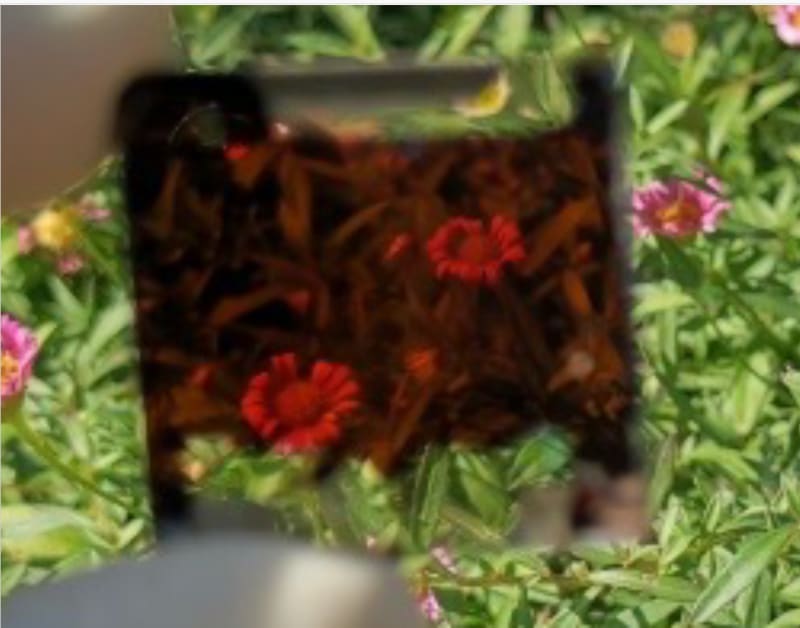
Researchers created flexible solar panels you can actually see through, available in different colors, that could turn any building window into clean energy. The breakthrough combines durability with beauty, surviving over a year of testing.
Imagine windows that generate electricity while you can still see through them, available in colors that match any building design.
Scientists at Hebrew University of Jerusalem just made that happen. They developed flexible solar panels that are transparent, come in different colors, and can bend without breaking.
The breakthrough came from using tiny 3D-printed pillar structures combined with safer, non-toxic solvents in production. This approach lets the panels stay see-through while still capturing sunlight efficiently.
The panels reached 9.2% power conversion efficiency while maintaining 35% transparency across the visible light spectrum. That might not sound impressive compared to rooftop solar panels, but it's a big deal for windows that need to let light through.
Durability was the real surprise. After 1,200 hours of continuous use in normal conditions, the pillar-based panels kept about 80% of their original efficiency. Standard flat panels dropped to just 40% in the same tests.
The flexible panels also survived repeated bending without losing performance. That opens up possibilities for curved building designs and unusual architectural features where traditional rigid panels won't work.
The Ripple Effect
This technology could transform how we think about buildings. Every window, skylight, and glass surface becomes a potential power source without sacrificing natural light or views.
Lead researcher Lioz Etgar says the real innovation is controlling transparency without compromising the semiconductor's optical properties. The team used layers of molybdenum oxide and gold to create color options, meaning architects can design with both aesthetics and energy generation in mind.
The panels measure 2.5 cm by 2.5 cm now, but the printing-based manufacturing process is designed to scale up. Because it uses safer solvents and lower temperatures than traditional methods, production could be more sustainable and cost-effective.
Indoor applications look promising too. The panels could power smart home devices, sensors, and IoT systems using ambient light, reducing battery waste and wiring costs.
The team is now working on protective coatings and barrier layers to extend lifespan even further. They're also experimenting with pillar density and height to boost efficiency while maintaining transparency.
Beyond solar energy, Etgar's lab is exploring other properties of perovskite materials, including piezoelectricity for sensing applications. The same flexible, stable structure could enable buildings to generate power while monitoring structural health.
The research represents a shift from viewing solar panels as additions to buildings toward integrating energy generation directly into construction materials. Every new skyscraper, greenhouse, or sunroom becomes an opportunity for clean energy without changing how we use those spaces.
With buildings accounting for a significant portion of global energy use, turning windows into power generators could make a real dent in carbon emissions while keeping cities beautiful and bright.
More Images

Based on reporting by PV Magazine
This story was written by BrightWire based on verified news reports.
Spread the positivity!
Share this good news with someone who needs it