Scientists Making First Black Hole Movie This Spring
Astronomers will capture the first-ever moving footage of a supermassive black hole this spring, revealing these cosmic giants aren't the destructive villains we thought. The groundbreaking observations could solve mysteries about how galaxies formed and evolved across the universe.
The universe's most misunderstood objects are about to get their close-up, and scientists say it will completely change how we see them.
Starting in March, the Event Horizon Telescope will capture the first movie of a supermassive black hole at the heart of galaxy Messier 87. Instead of cosmic villains that destroy everything in sight, these observations could reveal black holes as architects of the universe itself.
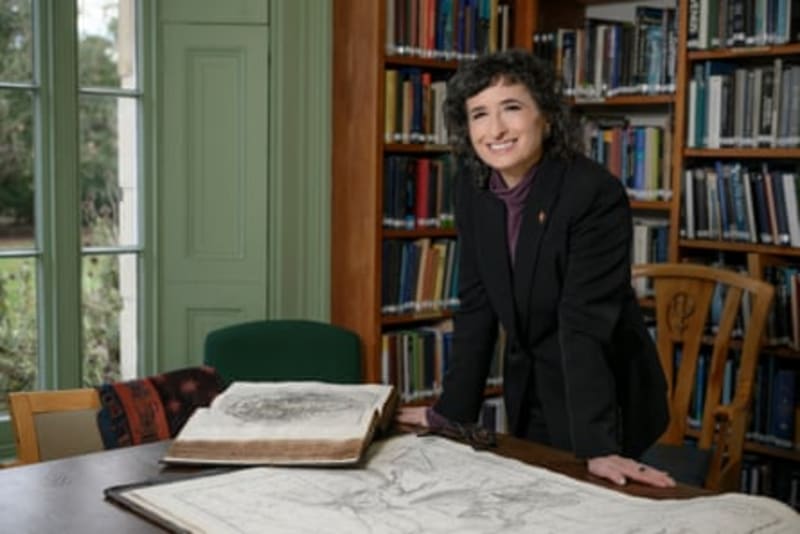
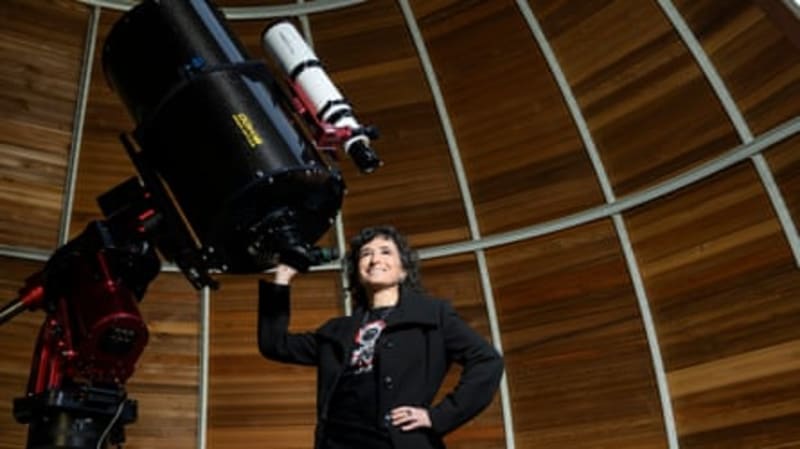
"Black holes have a bad rap as these evil vacuum cleaners that just suck everything up," said Sera Markoff, newly appointed astronomy professor at Cambridge University. "They actually play a very important role in the ecosystem of the universe."
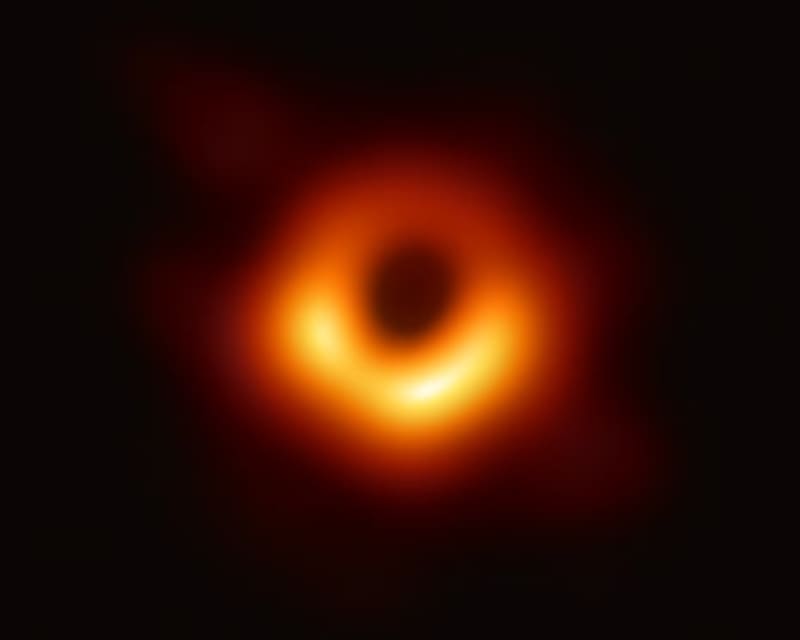
The EHT is a network of 12 radio telescopes spanning from Antarctica to Korea. In 2019, this same network unveiled the first still image of a black hole's shadow, stunning the world with proof these objects truly exist.
Now the team is going further. As Earth rotates over two months, different telescopes will capture the black hole every three days, creating snapshots that stitch together into moving footage.
The target is massive beyond comprehension. M87's black hole weighs as much as 6 billion suns and spans an area equal to our entire solar system. Fortunately, that enormous size means it moves slowly enough to film.
Why This Inspires
This isn't just about getting cool space footage. The movie could answer fundamental questions about how our universe came to be.
Scientists will measure how fast the black hole spins, which reveals whether it grew by gradually accumulating matter or by merging with other black holes. Each method would leave a distinct signature in the spin speed.
The observations will also show how black holes create jets, enormous columns of gas that punch through entire galaxies. These jets actually slow down star formation in some areas while triggering bursts of new stars in others, shaping how galaxies evolve.
"The movie campaign is really revolutionary," Markoff said. "It will accelerate our science by an order of magnitude."
Markoff became the 17th person to hold the Plumian professorship, one of the world's oldest named professorships created under Isaac Newton's watch in 1704. She's also the first woman to hold the title in its 321-year history.
Her path to studying black holes started with science fiction and comic books, not academic pedigree. She hopes her story encourages others from non-traditional backgrounds to pursue science careers.
The footage won't arrive quickly. The massive data collected requires physically shipping hard drives from Antarctica during summer, then months of processing in Germany and the US. But when it finally arrives, we'll witness black holes not as destroyers, but as cosmic creators that helped build the universe we call home.
More Images

Based on reporting by Google News - Science
This story was written by BrightWire based on verified news reports.
Spread the positivity!
Share this good news with someone who needs it