Scientists Map Earth's Hidden Fungal Networks for First Time
Researchers have created the first global map revealing 110 quadrillion kilometers of underground fungal networks that help plants thrive and fight climate change. The discovery shows these hidden allies store carbon equivalent to five times all living humans combined.
Beneath your feet right now, an invisible network of fungi is quietly keeping the planet alive.
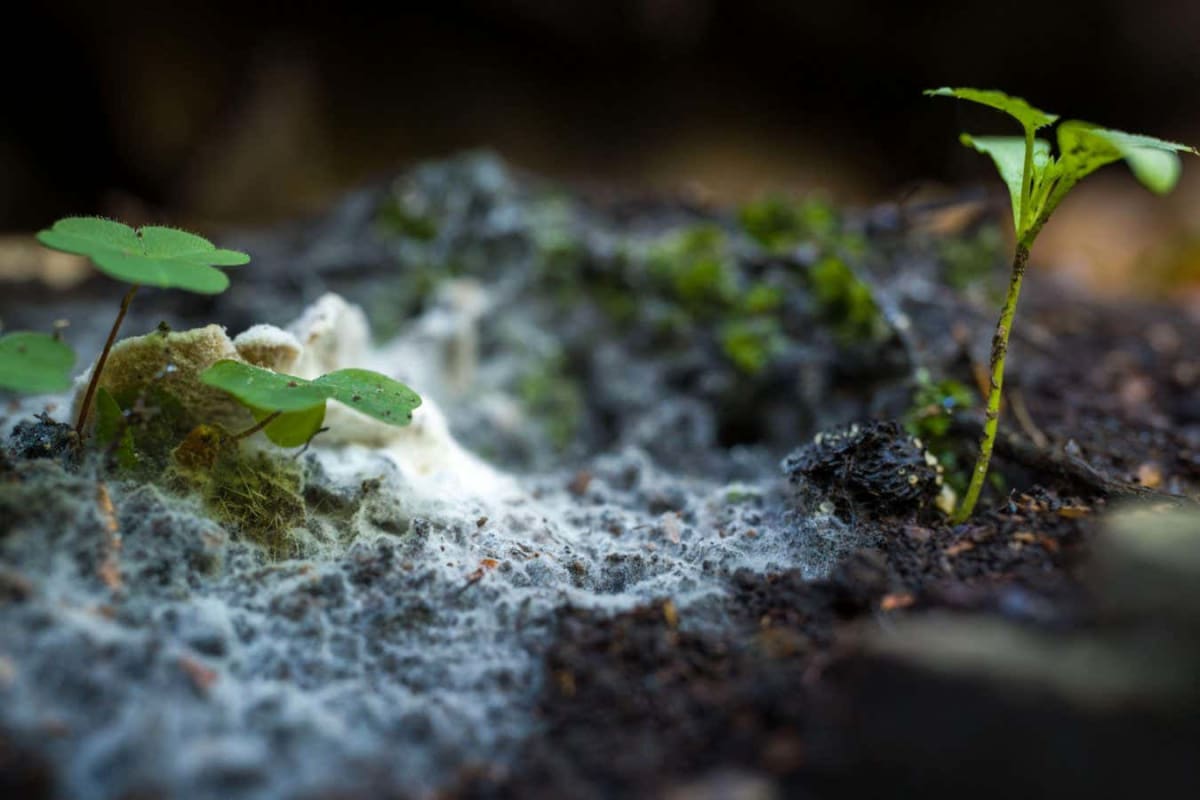
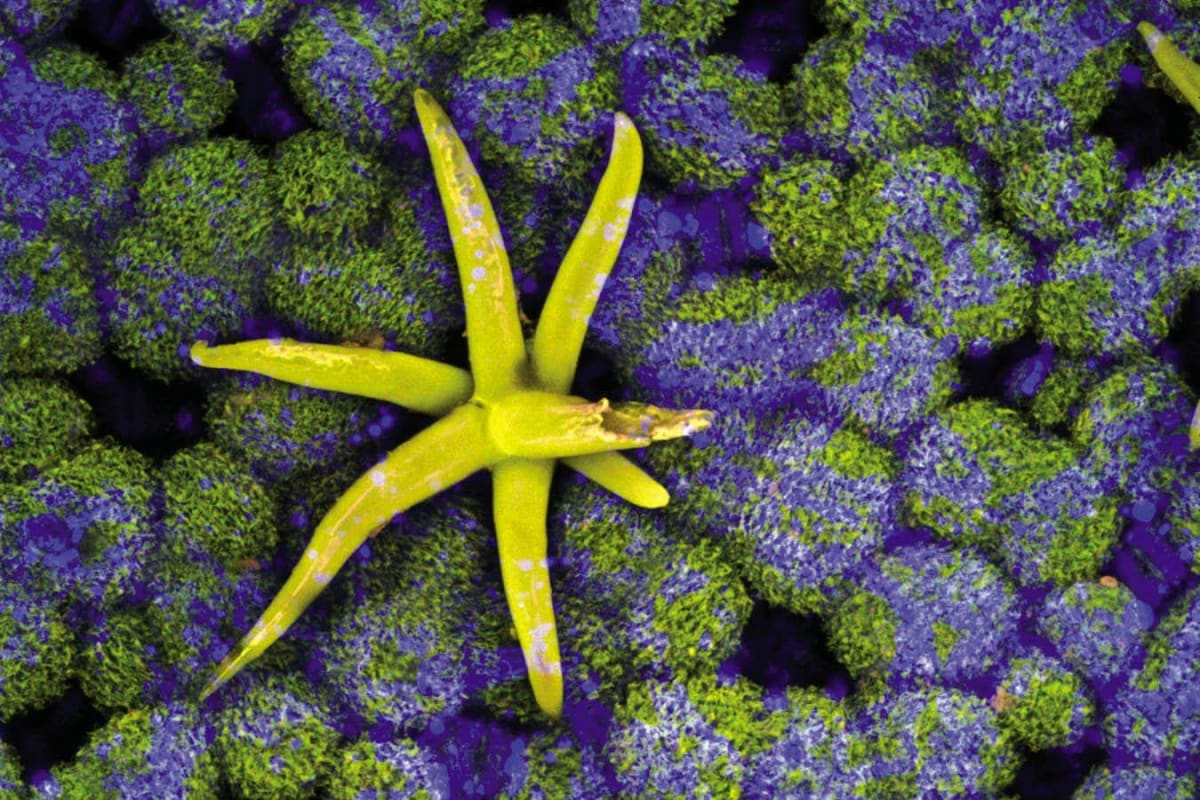
Scientists just published the first complete map of Earth's underground fungal highways, revealing a staggering 110 quadrillion kilometers of threadlike structures connecting with plant roots across the globe. These ancient fungi, called arbuscular mycorrhizal fungi, partner with 70 percent of the world's plant species in a beautiful trade: the fungi deliver water and nutrients to plants, and plants share carbon in return.
"Some people call plants the saviours of these fungi, but these fungi are also the saviours of plants," says Justin Stewart at the Society for the Protection of Underground Networks. His team analyzed 16,000 soil samples from every corner of Earth to create this groundbreaking map.
The numbers are mind-boggling. These fungal networks store a mass of carbon equal to about five times that of all living humans combined. They pull carbon underground, making them powerful allies in fighting climate change.
The researchers discovered that 40 percent of these fungi live in grasslands, especially in South Sudan, the Florida Everglades, and the Tibetan plateau. Understanding where these networks thrive helps us protect them better.
The Bright Side
The really exciting part? Now that scientists know what we're losing, they can help farmers bring it back.
Croplands currently show about 50 percent lower fungal densities than wild ecosystems. Tilling breaks apart the networks, and heavy fertilizer use disrupts the natural nutrient exchange. But the solution is surprisingly simple.
"Farmers could add fungal spores to their soils," says Steven Allison at the University of California, Irvine. "The study might also prompt farmers to adjust their practices, by reducing tillage or adding less fertilizer."
Laura Carter at the University of Leeds sees huge potential. "Supporting arbuscular mycorrhizal fungi isn't just an ecological issue; it is a practical route to improving soil health, resilience and long-term crop productivity." Rebuilding these networks could help crops access more nutrients, survive droughts better, and store more carbon.
The researchers launched an interactive online map showing fungal distribution worldwide and plan to present their findings to policymakers at the United Nations desertification summit in Mongolia this August. What was once invisible is now measurable, and what's measurable can be protected and restored.
Earth's hidden circulatory system is finally getting the recognition it deserves.
More Images


Based on reporting by New Scientist
This story was written by BrightWire based on verified news reports.
Spread the positivity!
Share this good news with someone who needs it