Scientists Map Vaccine Plan to Save Brazil's Golden Monkeys
Researchers identified high-risk zones for yellow fever in Brazil's golden lion tamarins, creating a vaccination roadmap that could save this endangered species from future outbreaks. After losing 30% of their population in 2017-2019, the recovered tamarin population now has a science-backed protection plan.
A team of scientists just handed conservationists a lifesaving map that could protect one of Brazil's most beloved endangered monkeys from another deadly outbreak.
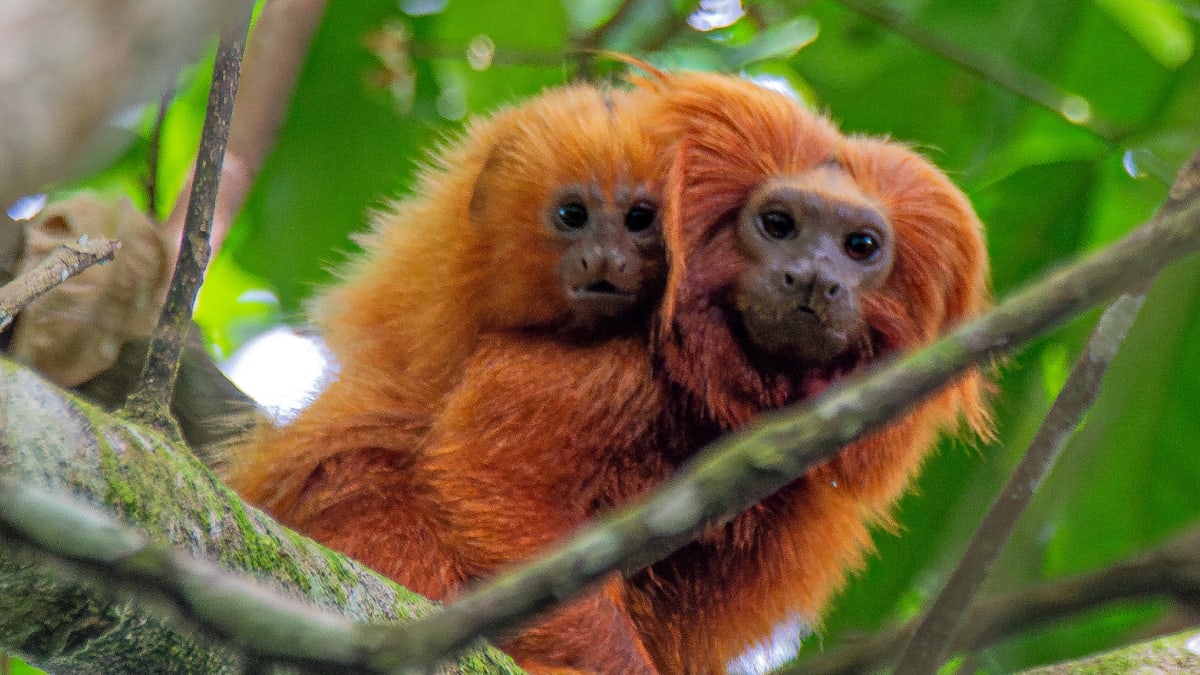
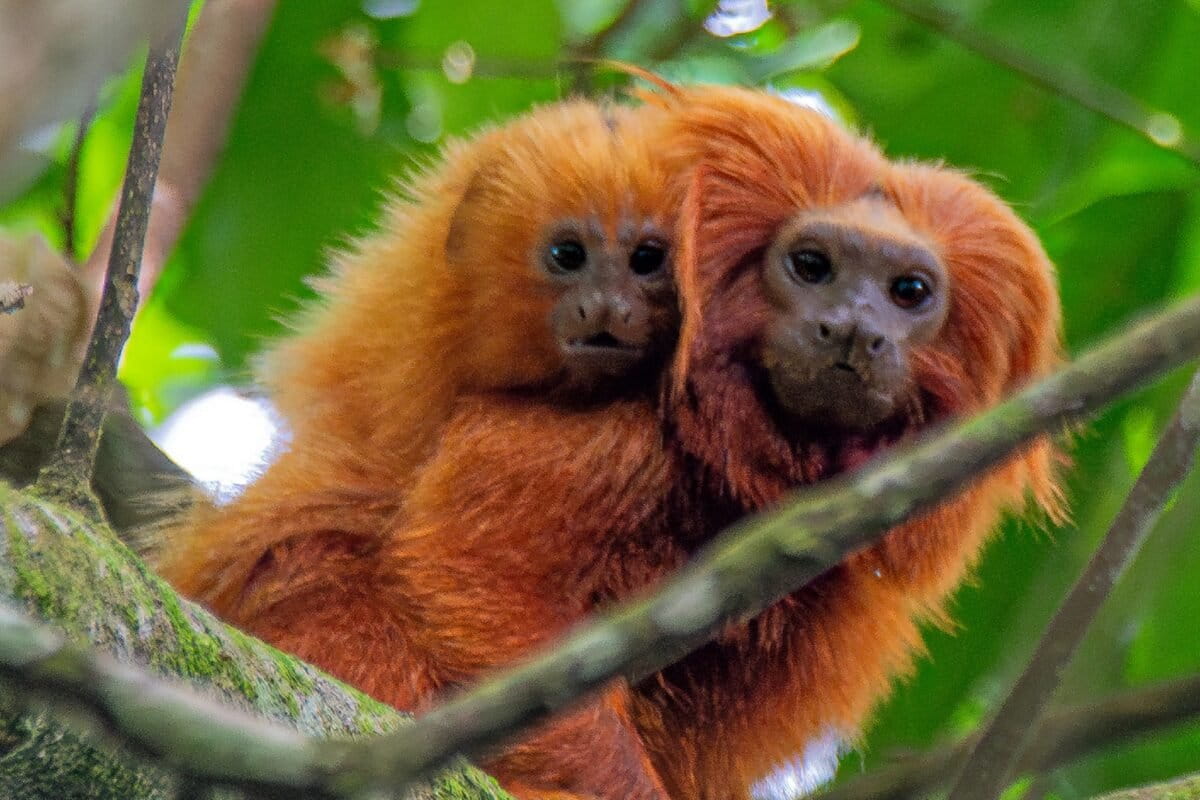
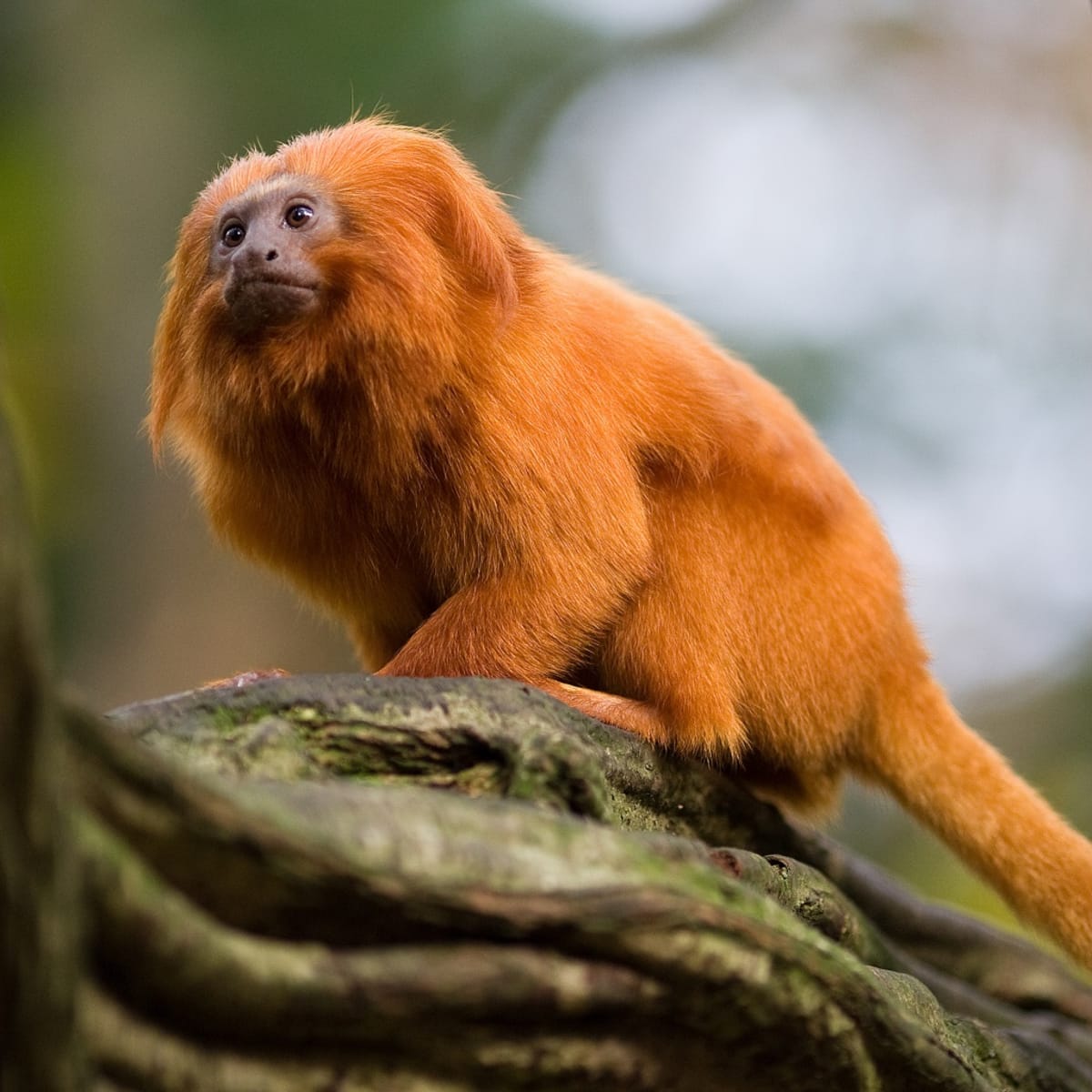
Golden lion tamarins, the vibrant orange primates found only in Brazil's Atlantic Forest, lost nearly a third of their population to yellow fever between 2017 and 2019. The epidemic killed more than 1,000 of these small monkeys, dropping their numbers to just 2,500 individuals.
But there's incredibly good news. The tamarins have bounced back to around 4,800 individuals as of 2023, proving their resilience once again.
Now researchers from the University of Strasbourg have identified exactly where these monkeys face the highest risk during future outbreaks. Their study compared deaths during the epidemic with environmental factors like forest connectivity and human population density. The results revealed clear patterns that can guide where to focus vaccination efforts.
The team discovered that areas with more people nearby saw lower tamarin survival rates because yellow fever jumps easily between humans and primates. They also found that well-connected forests, while normally great for wildlife, actually helped infected mosquitoes spread the disease faster during the outbreak.
These findings don't mean conservationists should stop connecting fragmented forests. Connected habitat remains essential for genetic diversity and long-term survival.
"The more connected the habitat is, the faster or more likely the recovery and recolonization," explained Carlos Ruiz-Miranda, board president of the Golden Lion Tamarin Association, the nonprofit leading conservation efforts.
The researchers say their death risk maps serve as a roadmap for transmission risk. Areas where more tamarins died are "priority zones" for vaccination campaigns.
The Golden Lion Tamarin Association started vaccinating monkeys against yellow fever in 2020. They've already immunized over 500 individuals, working systematically through the populations identified as most vulnerable.
Why This Inspires
This story shows how quickly science can turn tragedy into action. Instead of just mourning losses, researchers studied the outbreak patterns to build a protective shield for the future.
The golden lion tamarin nearly went extinct in the 1970s and has rebounded twice now. Today, conservationists aren't just hoping these monkeys survive—they're using cutting-edge disease mapping to ensure it.
The tamarins live in only 2% of their original territory, making every individual precious. By combining habitat restoration with smart vaccination strategies, scientists are proving that even small, endangered populations can have bright futures when we plan ahead.
One species, one forest, one vaccine at a time, conservation is getting smarter and saving lives that matter.
More Images
Based on reporting by Mongabay
This story was written by BrightWire based on verified news reports.
Spread the positivity!
Share this good news with someone who needs it