Scientists Map Weather on World 20 Light-Years Away
Astronomers using the James Webb Space Telescope have decoded weather patterns on a distant brown dwarf for the first time, revealing organized storm systems on a world bigger than Jupiter. The breakthrough method could help us find habitable planets beyond our solar system.
Scientists just mapped the weather on a world 20 light-years away, and it's showing us how to find life on distant planets.
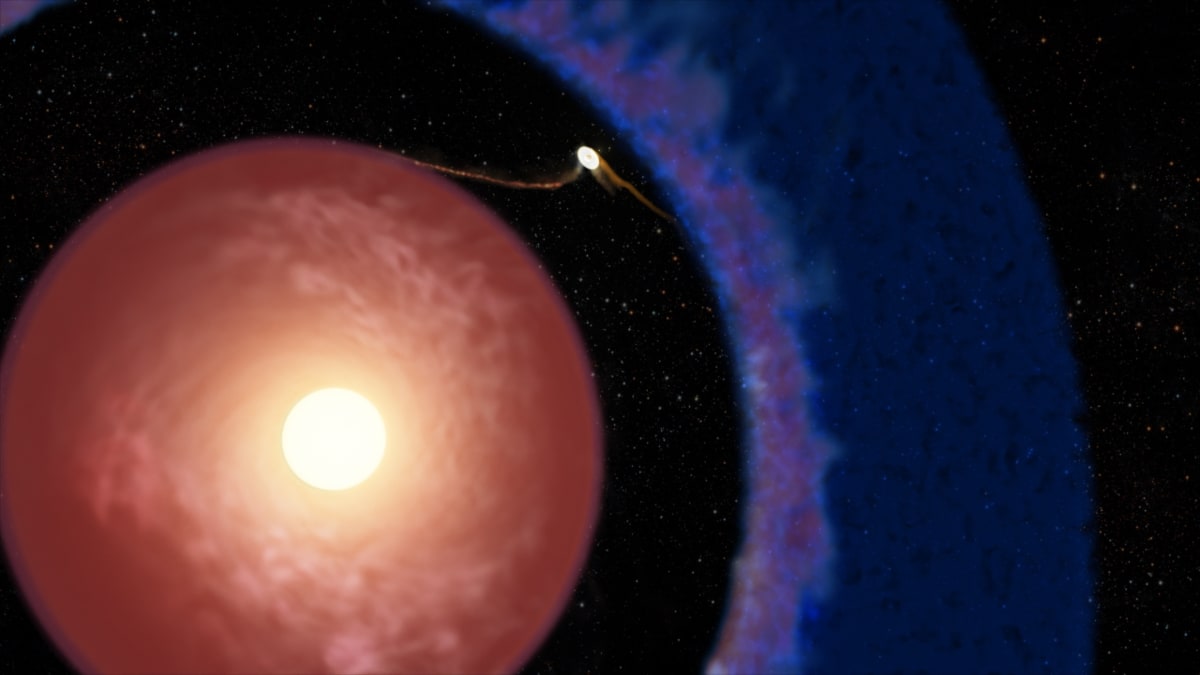
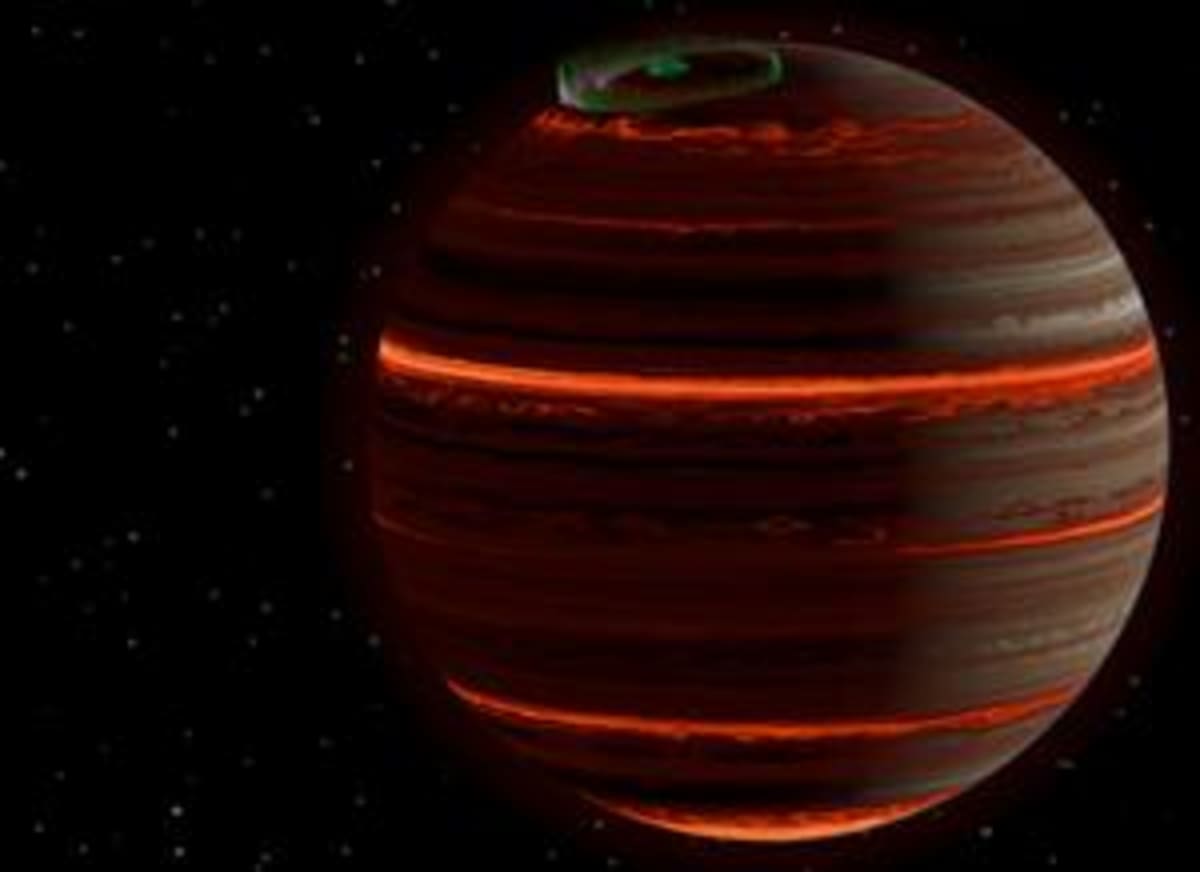
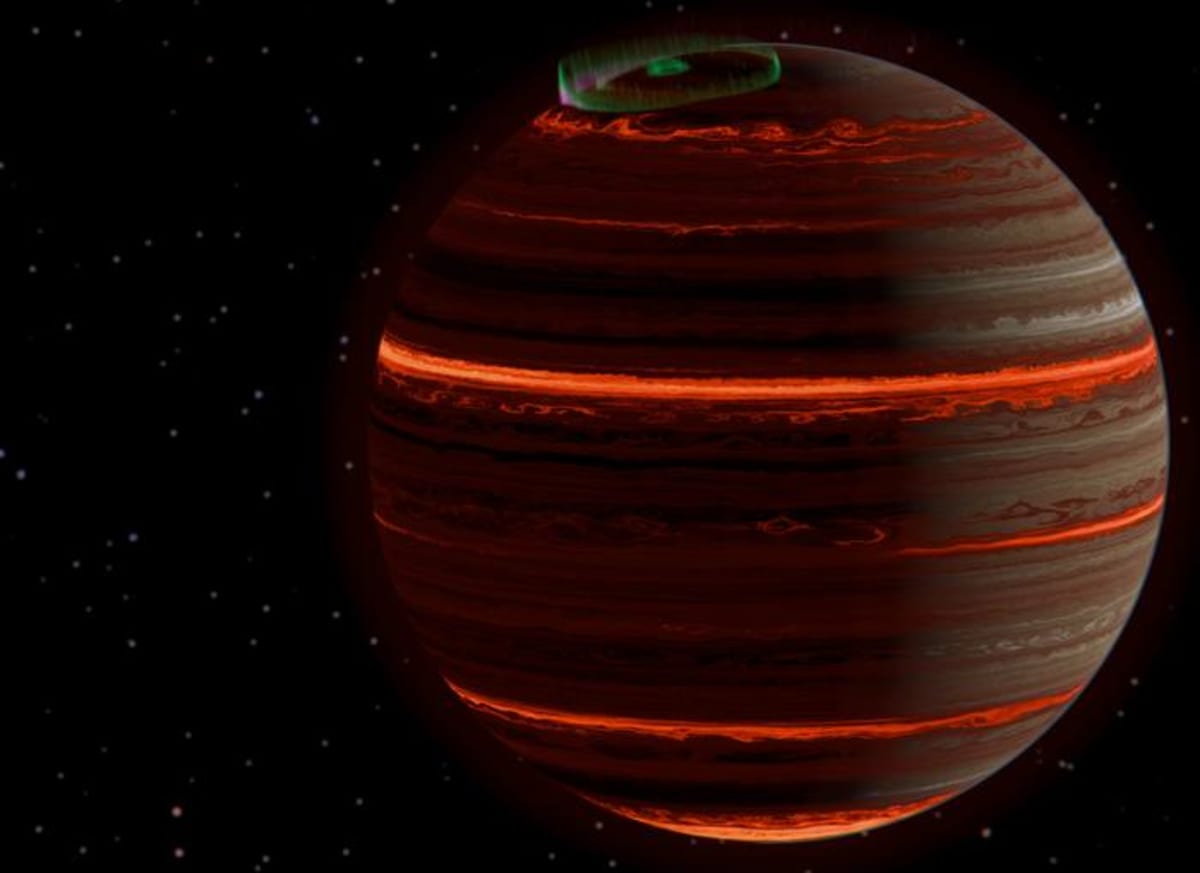
Researchers at Trinity College Dublin used NASA's James Webb Space Telescope to track changing weather on SIMP 0136, a brown dwarf larger than Jupiter but smaller than a star. They watched the object rotate and measured tiny shifts in its light to decode what was happening in its atmosphere.
The team applied a technique called Principal Component Analysis, which finds the main patterns hidden in complex data. Instead of making guesses about the atmosphere, they let the data reveal what was really driving the weather.
What they found surprised them. Just two main forces shape the wild weather on this distant world: temperature changes and how clouds stack vertically in the atmosphere.
The brown dwarf cycles through three distinct weather states as it rotates. Some regions are hotter with thin clouds, while others are cooler with thick cloud towers extending high into the atmosphere. These patterns persist over time, creating an organized system rather than random chaos.
PhD candidate Merle Schrader discovered something else remarkable while analyzing the data. The light captured by the telescope in 2023 left SIMP 0136 the year she was born, taking two decades to reach us traveling at 300,000 kilometers per second.
Why This Inspires
This breakthrough does more than satisfy our curiosity about alien weather. Brown dwarfs like SIMP 0136 are natural laboratories for understanding giant exoplanet atmospheres because we can observe them directly.
The new method works fast, identifying key atmospheric patterns before scientists dive into complex computer modeling. Professor Johanna Vos says the approach will transform how astronomers analyze future telescope observations, making the search for habitable worlds more efficient.
Understanding weather patterns on distant planets tells us about their atmospheres and chemical composition. That knowledge is a crucial step toward identifying worlds where life could potentially exist.
The team plans to apply their technique to other brown dwarfs and giant exoplanets across different parts of space. Each new world they study brings us closer to answering one of humanity's biggest questions: are we alone in the universe?
From our cozy corner of the cosmos, we're now mapping the intimate details of weather systems trillions of kilometers away.
More Images
Based on reporting by Google News - Scientists Discover
This story was written by BrightWire based on verified news reports.
Spread the positivity!
Share this good news with someone who needs it