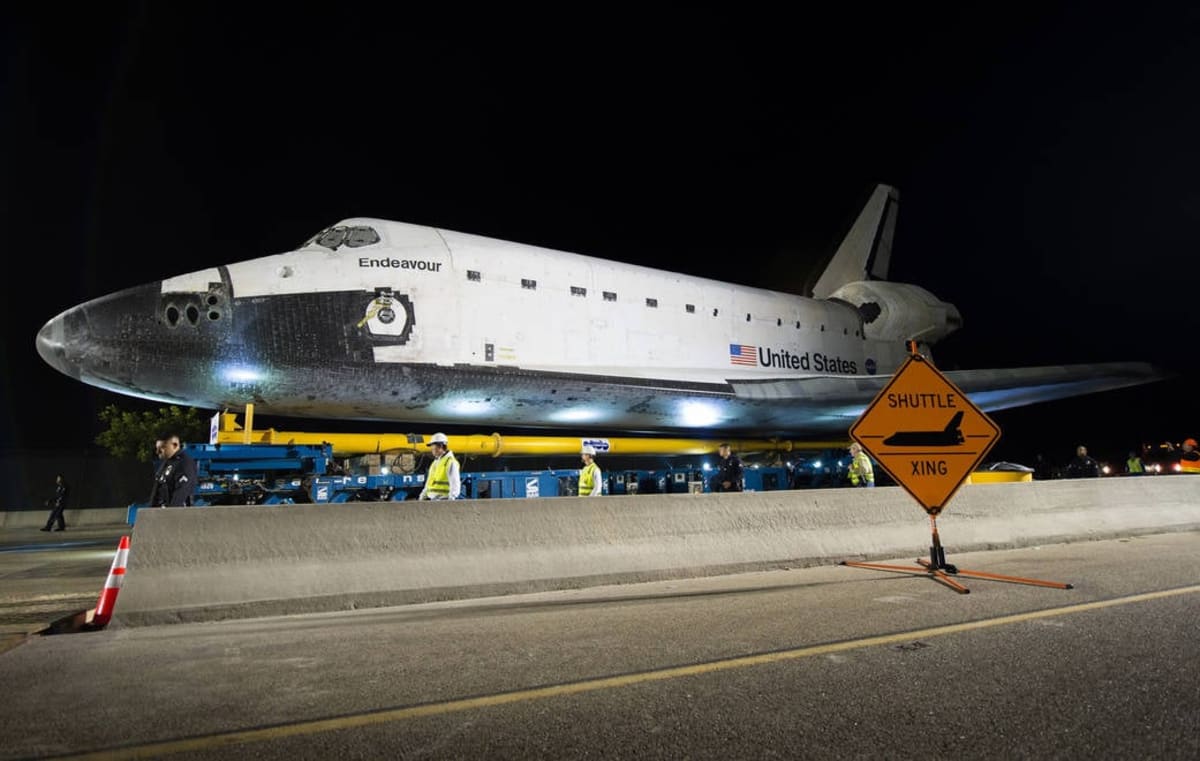
Scientists Propose Moon Lab to Protect Earth From Space Bugs
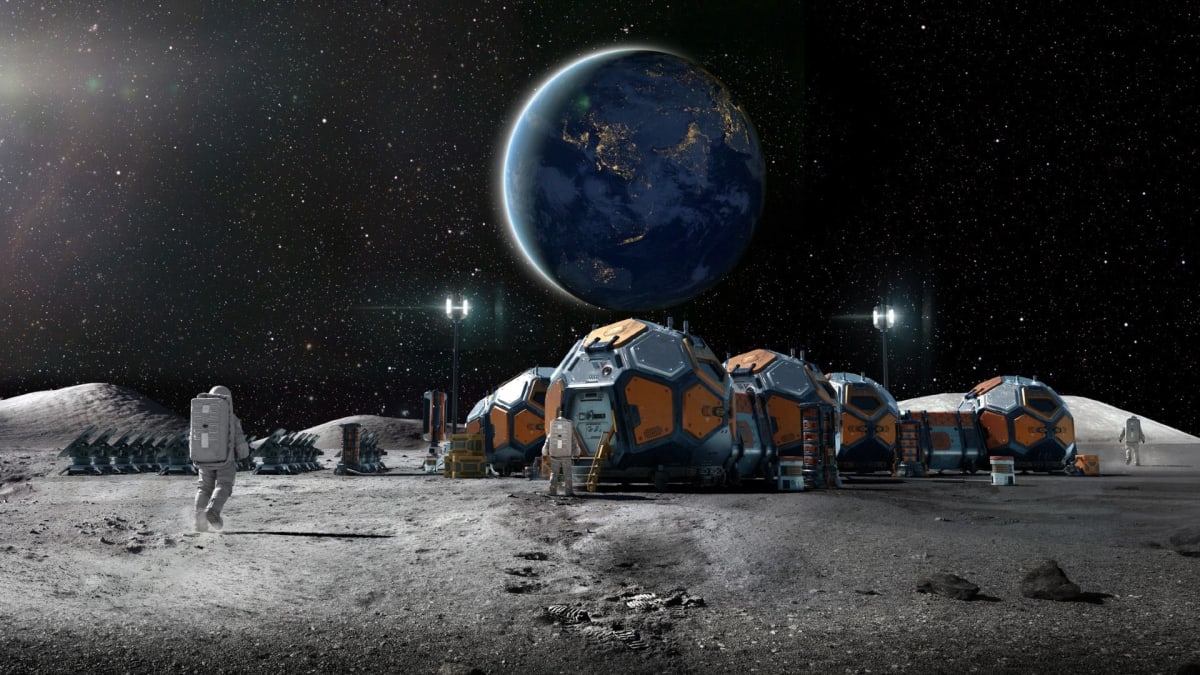
Researchers want to build a quarantine facility on the moon to test samples from Mars and beyond before bringing them to Earth. The lunar lab would act as humanity's first line of defense against potentially harmful extraterrestrial organisms.
The moon could become Earth's shield against alien microbes, and scientists say we should start building that protection now.
Researchers Frederick Moxley and Anthony Ricciardi are calling for a secure biocontainment laboratory on the moon to study samples from Mars, Saturn's moon Enceladus, and other worlds. Their idea: test everything in lunar quarantine before letting it near Earth's biosphere.
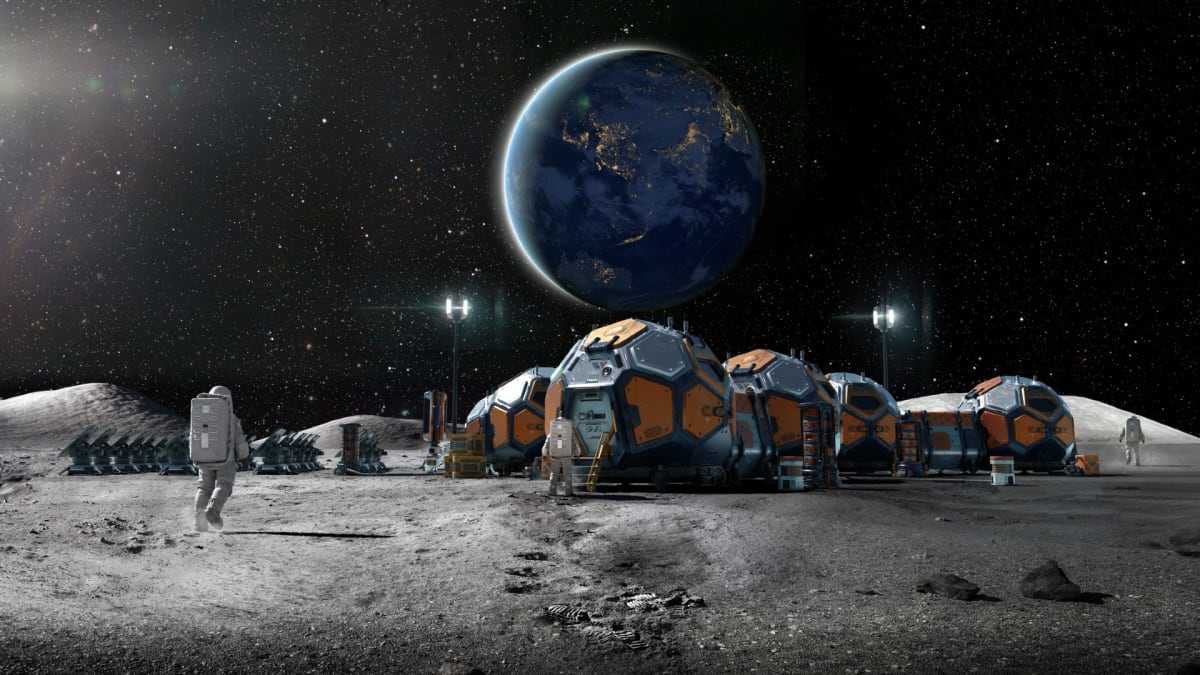
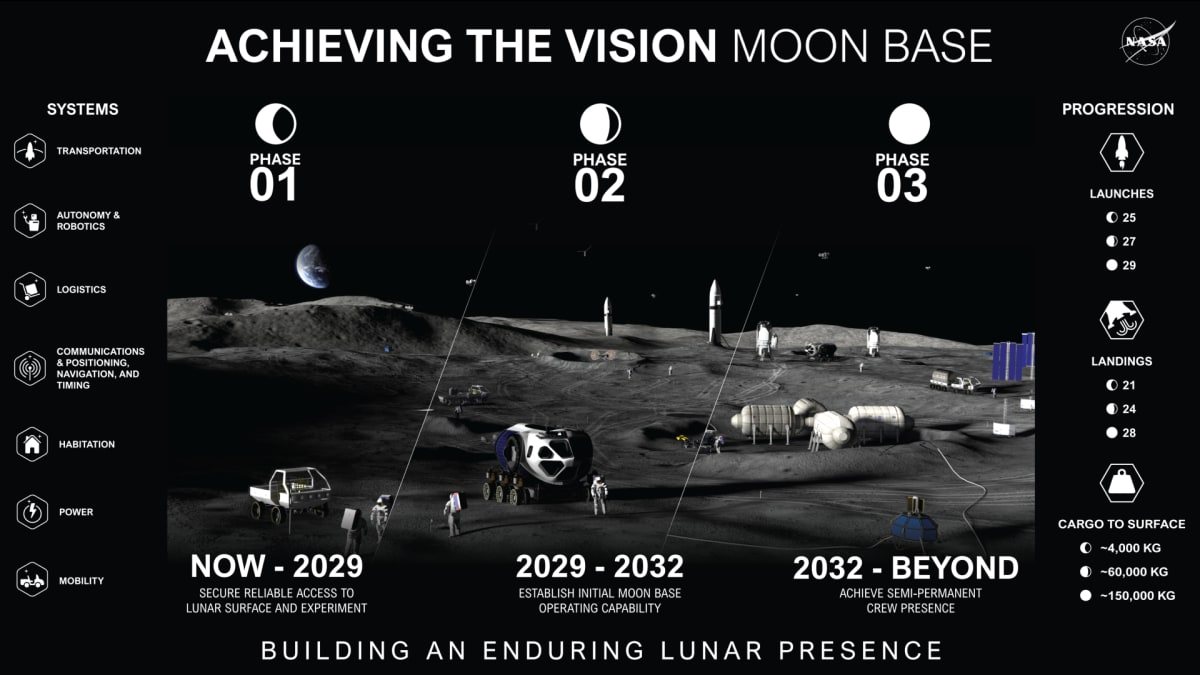
The timing matters because both the United States and China are racing to establish moon bases within the next decade. NASA administrator Jared Isaacman recently announced plans for a base covering hundreds of square miles, built in three phases and maintained by rovers and robots.
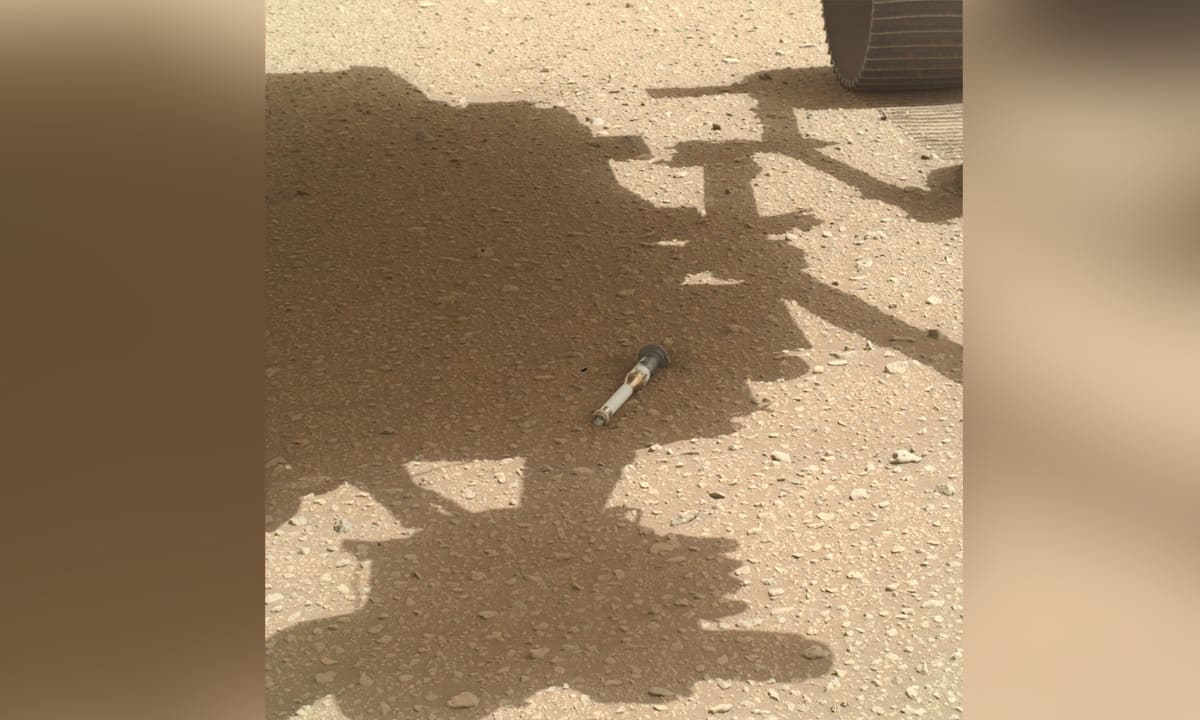
But neither country has outlined how they'll handle planetary protection, Moxley notes. That's a problem when NASA's Perseverance rover has already collected tubes of Martian material that scientists hope to return to Earth.
The moon offers natural advantages as a testing ground. It's sterile, isolated, and far enough from Earth to contain any surprises.
Why This Inspires
This proposal shows scientists thinking ahead to protect what we love most. Rather than rushing to bring space samples home, researchers are prioritizing Earth's safety while still advancing our search for life beyond our planet.
The concern isn't just theoretical. Ricciardi, an expert on invasive species, points to decades of research showing how organisms introduced to new environments can spread uncontrollably with devastating impacts.
Even microbes we send to space might mutate and become dangerous. Bacteria from the International Space Station has already evolved to become genetically distinct from Earth populations, gaining new traits that could pose risks if brought home.
Moxley and Ricciardi call this "rebound contamination," where Earth microbes change in space and return as novel organisms. Their solution: use advanced robots to handle all samples at the lunar facility, eliminating human exposure and accidental release.
The researchers published their findings in Ambio, a journal of environment and society, as both government agencies and private companies rapidly expand missions beyond Earth orbit. This increasingly crowded space makes rigorous biosafety standards more urgent than ever.
The proposal doesn't slow down space exploration. It makes exploration smarter by adding a crucial safety step between discovery and delivery.
More Images

Based on reporting by Space.com
This story was written by BrightWire based on verified news reports.
Spread the positivity!
Share this good news with someone who needs it
%2Fhttps%3A%2F%2Ftf-cmsv2-smithsonianmag-media.s3.amazonaws.com%2Ffiler_public%2F1a%2F72%2F1a72d8cc-970c-48cf-83f6-b16e605ff5c0%2Flow-res_f26-plastic-cookies-hr.jpg)