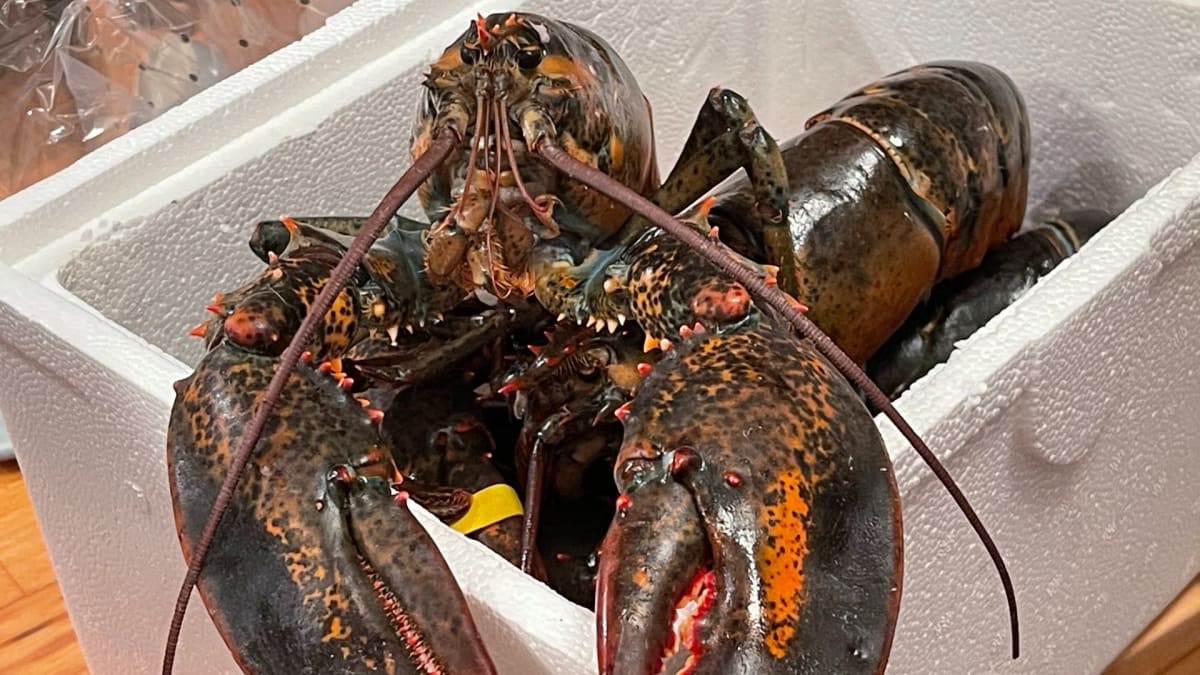
Scientists Prove Lobsters Feel Pain, Sparking Kinder Laws
A groundbreaking Swedish study using human painkillers has confirmed lobsters experience genuine pain, not just reflexes. The research is helping countries worldwide pass laws protecting these animals from being boiled alive.
Researchers have finally answered a question that's troubled seafood lovers and scientists alike: lobsters really do feel pain.
In a study from the University of Gothenburg, Swedish scientists gave Norway lobsters aspirin and lidocaine before applying mild electric shocks. The results were clear: lobsters treated with painkillers showed dramatically fewer escape responses than untreated ones. Only 7 of 13 lobsters given lidocaine and just 3 of 13 given aspirin tried to flee, compared to nearly all untreated lobsters.
"The fact that painkillers developed for humans also work on Norway lobsters shows how similar we function," said Professor Lynne Sneddon, who led the research. "That's why it's important to care about how we treat and kill crustaceans, just as we do with chickens and cows."
The findings reveal something crucial: the lobsters weren't just experiencing muscle contractions from the shock. Their brains were processing the experience as genuinely painful, triggering what scientists call nociception, the same pain signals humans feel.
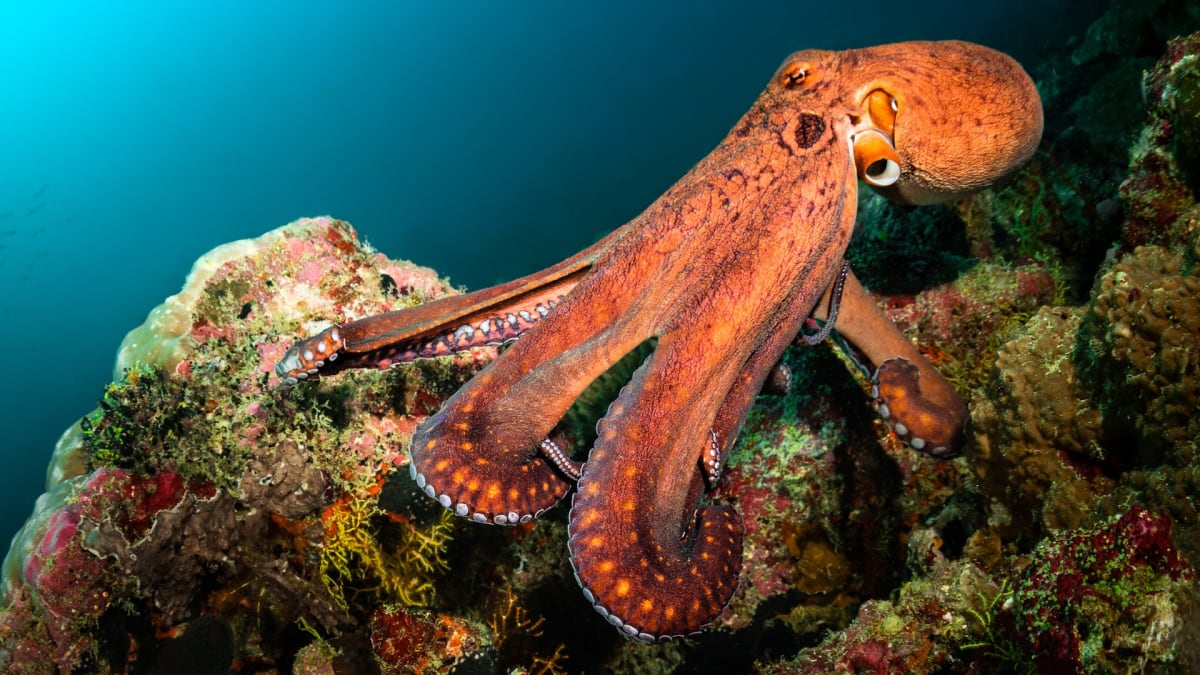
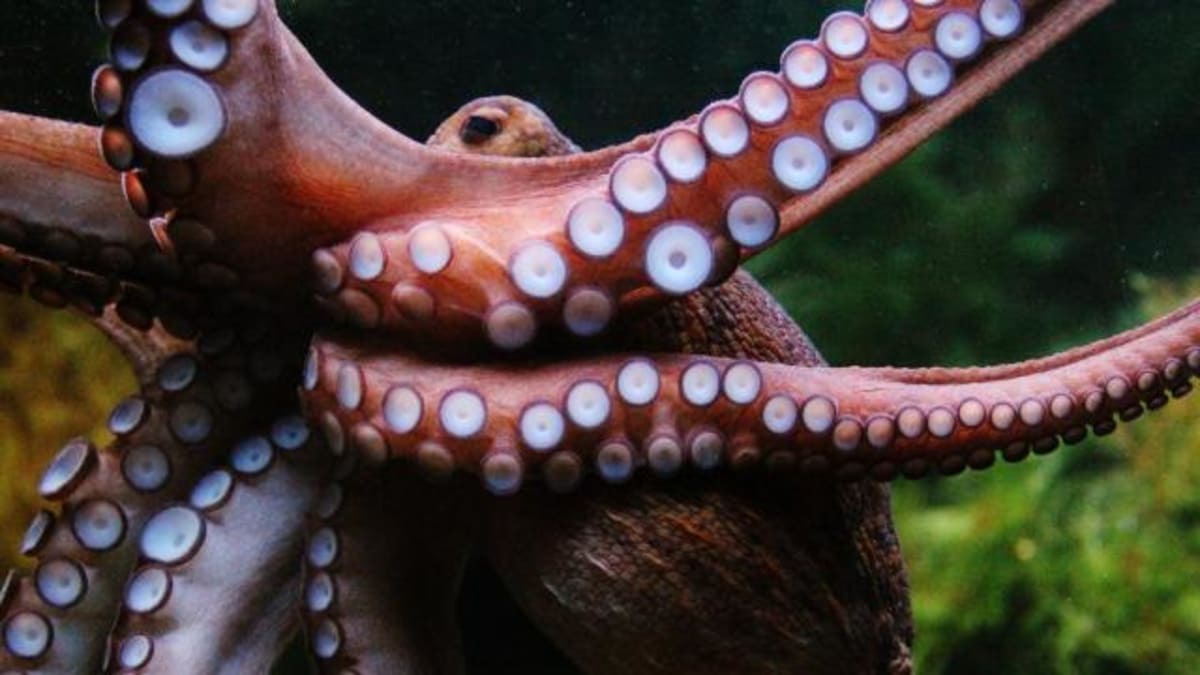
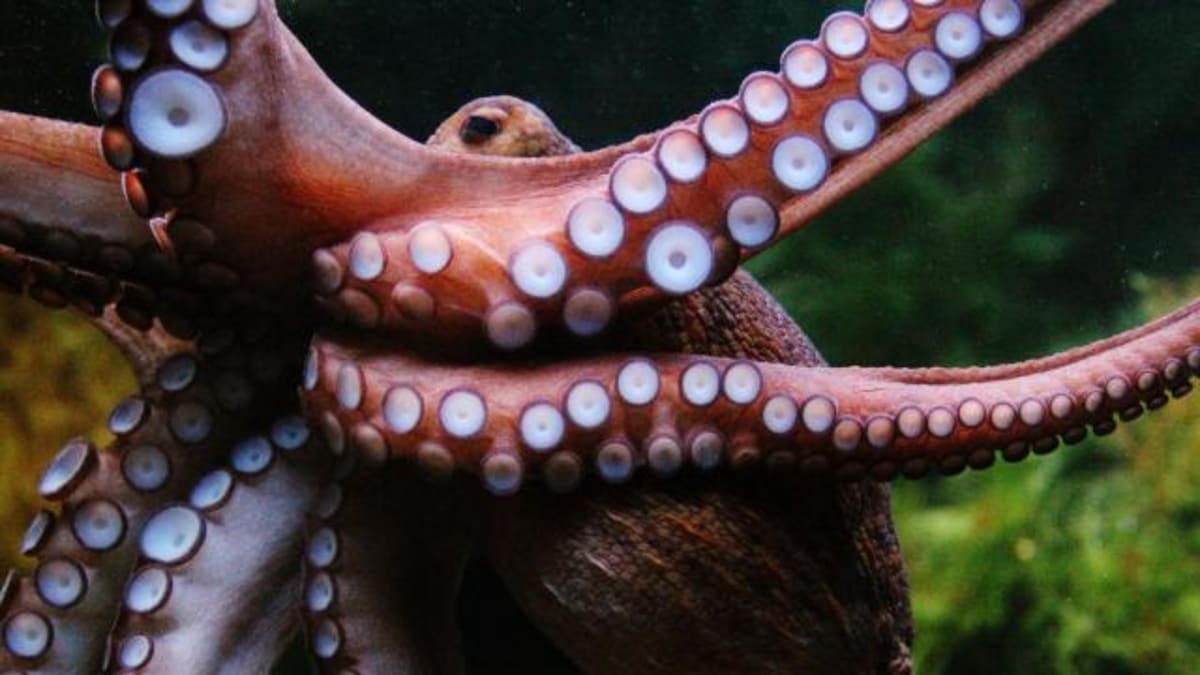
This research joins growing evidence about invertebrate suffering. Previous studies showed hermit crabs abandoning their homes to avoid shocks, and octopuses actively seeking out places associated with pain relief while avoiding spots where they'd been hurt.
The Ripple Effect
The science is already changing how countries treat these animals. Norway, New Zealand, Austria, and parts of Australia have banned boiling live crustaceans. The United Kingdom now recognizes crabs, lobsters, and octopuses as sentient beings under its 2022 Animal Welfare Act.
Researchers and the seafood industry are exploring more humane alternatives, including electrical stunning methods that would render the animals unconscious before cooking. Similar reforms transformed poultry and livestock treatment over the past decades.
The study involved 105 Norway lobsters separated into control and treatment groups, with shocks measured at 9.09 volts per meter for 10 seconds. The careful experimental design eliminated doubts about whether the animals were simply reacting mechanically versus experiencing actual pain.
What makes this research particularly powerful is its simplicity: the same medicines that ease human suffering also reduced lobster distress. We share more biology with these creatures than many people realized.
As more countries consider animal welfare legislation, this evidence provides clear scientific backing for treating all animals with greater compassion, whether they have backbones or not.
More Images
Based on reporting by Live Science
This story was written by BrightWire based on verified news reports.
Spread the positivity!
Share this good news with someone who needs it