Scientists Push to Protect Australia's Platypus
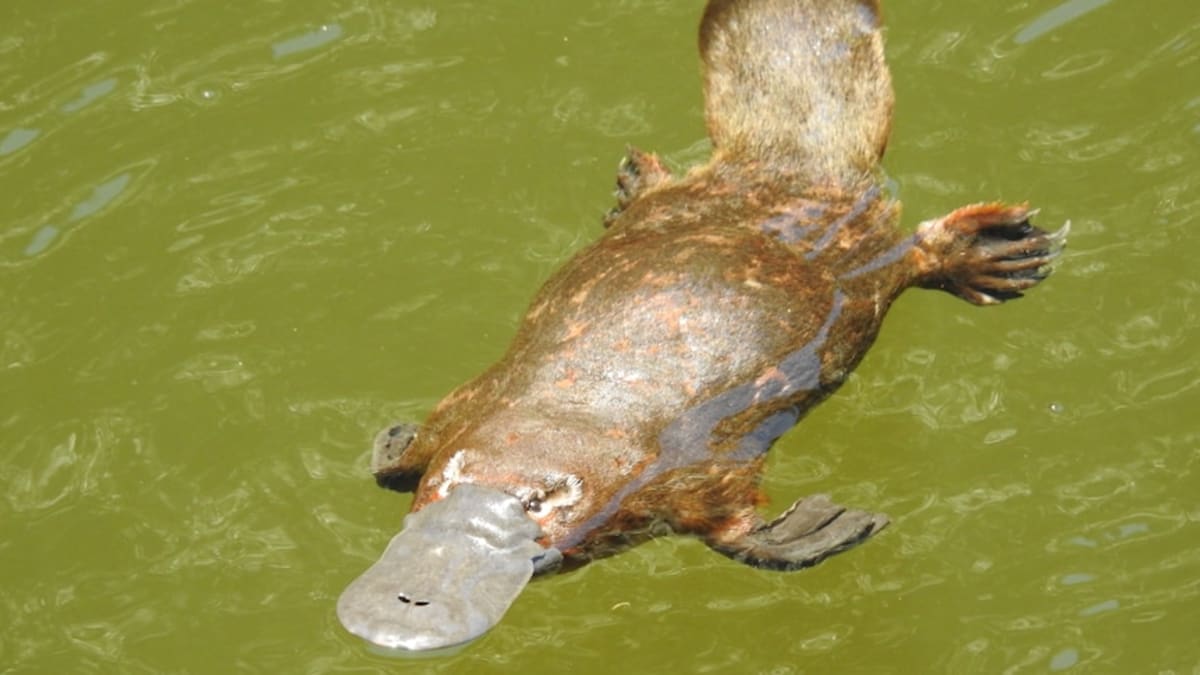
When Jessica McDonald spotted what she thought was a rat speeding across a Queensland road, she discovered something remarkable: a platypus, moving fast and far from its river home. Scientists are using increased sightings like these to push for stronger protections for the iconic but declining species.
When Jessica McDonald spotted what she thought was a rat darting across a road outside a north Queensland pub, she almost didn't look twice. But something made her grab her phone, and that split-second decision revealed the "rat" was actually a platypus, moving at surprising speed more than half a kilometer from the nearest river.
"I didn't expect platypuses to be that fast," the Ilbilbie local said. She briefly considered picking it up before remembering that males carry venomous barbs.
McDonald's encounter reflects a growing trend in Queensland's Pioneer Valley. Wildlife rescuer Alison Pighills has responded to two platypus calls in Marian this year alone, after never receiving such a call before.
But scientists warn that more sightings don't necessarily mean good news. Dr. Tamielle Brunt from Wildlife Queensland says the encounters could signal habitat stress rather than population growth.
Urban expansion and pollution are pushing platypuses further from their waterways, forcing them into closer contact with humans. Male platypuses naturally roam up to 20 kilometers from their burrows, but environmental pressures are changing their normal patterns.
The Ripple Effect
The real concern lies in south-east Queensland, where DNA testing and population surveys show platypus numbers declining sharply. Historical records compared with recent counts reveal a worrying downward trend that conservationists fear could spread statewide.
Brunt is part of a team working to have platypuses listed as "vulnerable" under the national Environment Protection and Biodiversity Conservation Act. A 2020 application was rejected partly because the elusive monotremes are notoriously difficult to count accurately.
"Even when you go and trap them and tag them, you never know if you're really ever getting every animal in the system," Brunt explained. Their shy nature makes population assessments challenging, leaving scientists scrambling to gather enough data to prove protection is needed.
The challenge is urgent because people's perceptions can mask reality. While Marian residents see more platypuses, communities in south-east Queensland report seeing fewer.
"We've got a shifting baseline, and we're just trying to get data to prove to the government that we really need to be on the front foot of this," Brunt said. Scientists are racing to document populations before declines become irreversible, turning public curiosity into conservation action that could save one of Australia's most unique creatures.
More Images


Based on reporting by ABC Australia
This story was written by BrightWire based on verified news reports.
Spread the positivity!
Share this good news with someone who needs it