Volunteers Help Save 380 Rare Whales Off Florida Coast
Every winter morning, volunteers scan Florida's coastline with binoculars, searching for one of Earth's rarest creatures. Their efforts are helping protect the last 380 North Atlantic right whales from extinction.
Candis Whitney spent three decades running a marina in Northeast Florida, where she learned that sharing the ocean comes with responsibility. Now she's part of a network of volunteers making sure the region's most endangered visitors make it home safely.
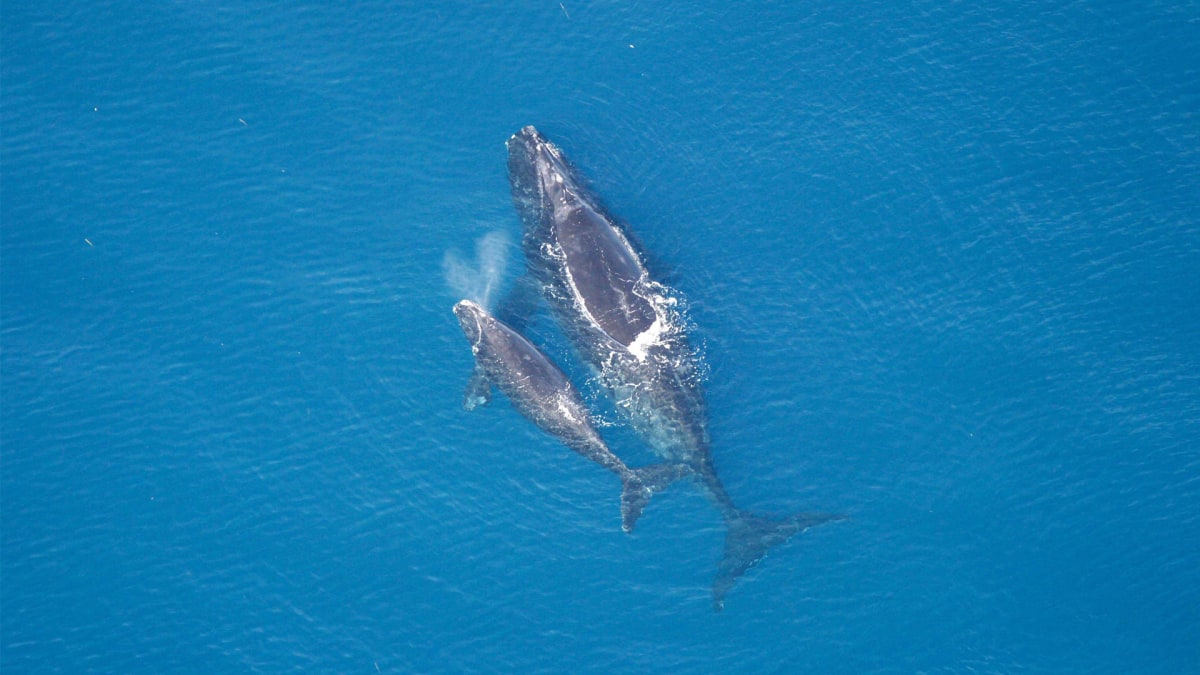
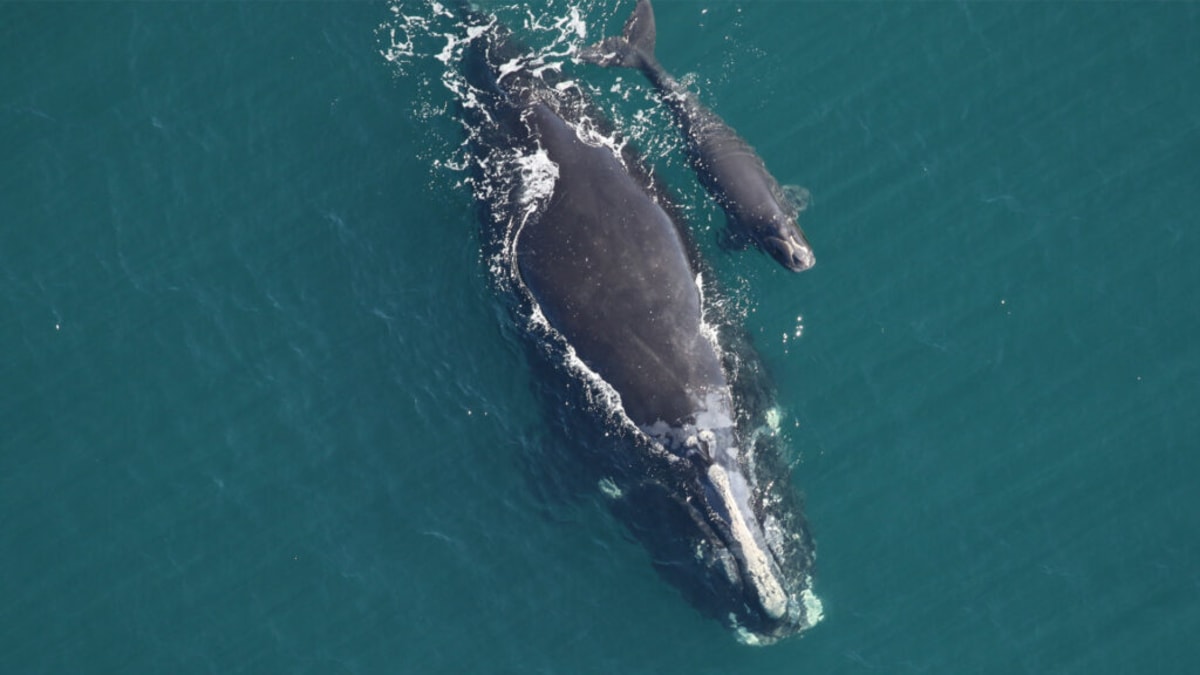
Each winter, North Atlantic right whales return to Florida's First Coast waters to give birth and nurse their young. Only about 380 of these gentle giants remain on Earth, making every single whale precious.
That's where the volunteers come in. On winter mornings along A1A from Fernandina Beach to Flagler Beach, groups gather on boardwalks and dunes with binoculars trained on the horizon. When they spot a whale, they alert authorities who immediately notify boaters and trigger temporary speed limits for larger vessels.
These speed restrictions aren't just bureaucratic caution. A few years ago, a 54-foot sportfishing yacht struck and killed a right whale calf just outside St. Augustine Inlet. Days later, the mother whale known as "Infinity" was spotted with severe injuries from the same collision and is presumed dead.
For a species with such a small population, losing even one whale means losing future generations. Vessel strikes remain one of the leading causes of death for North Atlantic right whales.
The Bright Side
Science has given us a simple solution that works. In 2008, the National Oceanic and Atmospheric Administration implemented the Vessel Speed Rule, requiring larger vessels to slow to 10 knots in areas where right whales are present. Research consistently shows that slower speeds significantly reduce both the likelihood and severity of collisions.
The volunteer spotting networks have become a critical part of this protection system. Their confirmed sightings help trigger the speed restrictions that keep whales safe while allowing boaters and commercial vessels to continue using these shared waters.
Whitney, now executive director of Amelia Island Whale Ambassadors, says the future of these whales depends on decisions being made today. NOAA is currently accepting public input through June 2 on whether to maintain these life-saving speed rules.
The community that chose to call Florida's First Coast home because of its natural beauty now has a chance to protect it. Thanks to dedicated volunteers and proven safety measures, coexistence between people and whales remains possible.
More Images

Based on reporting by Google: species saved endangered
This story was written by BrightWire based on verified news reports.
Spread the positivity!
Share this good news with someone who needs it